
Biodegradable Promotional Items for Environmental Organisations: A Complete Guide
Discover the best biodegradable promotional items for environmental organisations in Australia — with practical tips on products, suppliers, and ordering.

Written by
Ivy McGregor
Eco & Sustainable Products
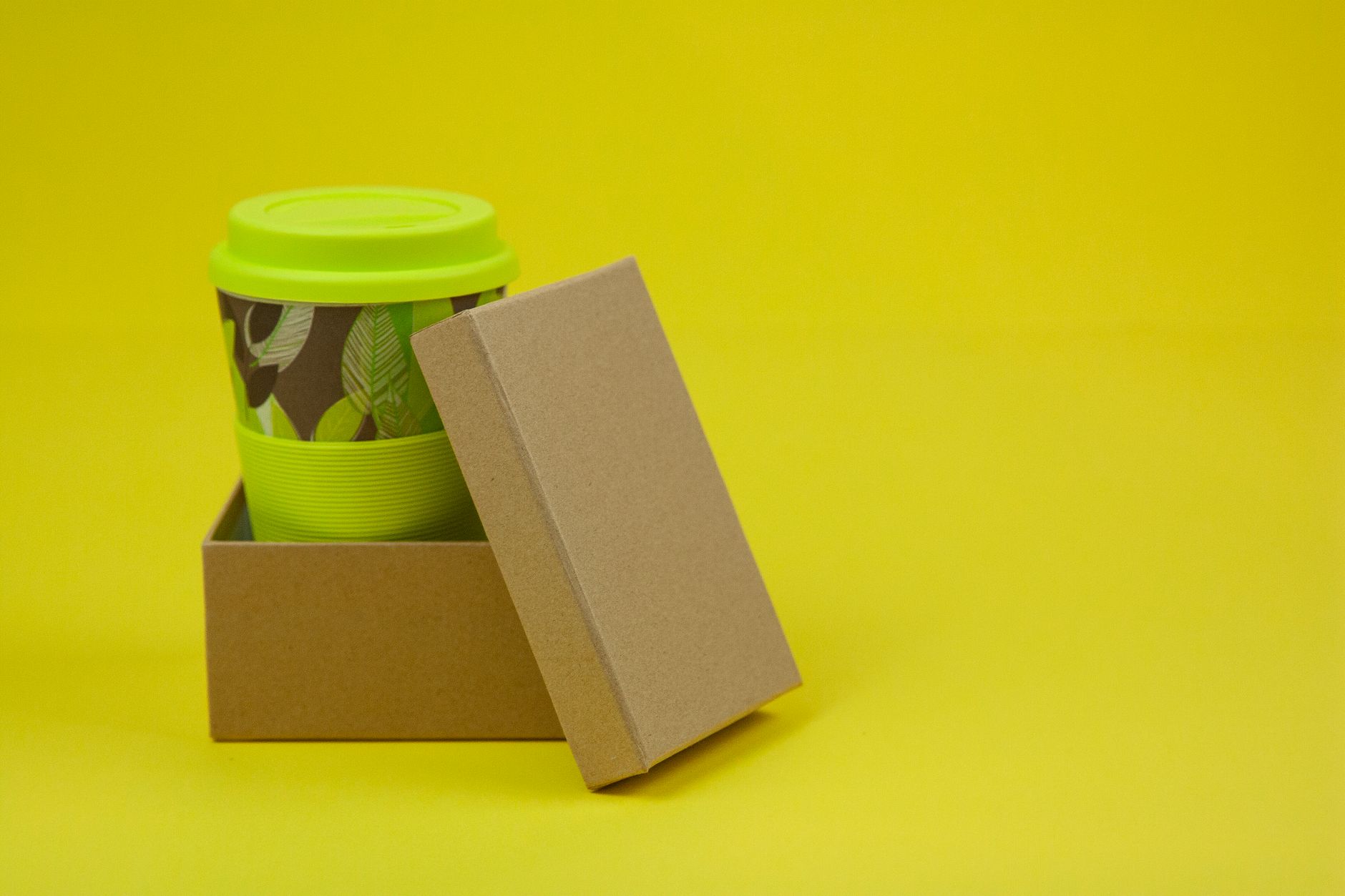
When your organisation exists to protect the planet, every decision you make sends a message — including the branded merchandise you hand out at events, conferences, and community activations. For environmental organisations, charities, councils, and green-focused businesses across Australia, there’s an obvious tension in giving away plastic-heavy promotional products that contradict your core values. The good news is that the biodegradable promotional items market has matured enormously, and in 2026 there are more genuinely sustainable options than ever before. Whether you’re sourcing merch for a conservation NGO in Hobart, a sustainability-focused council campaign in Adelaide, or an environmental awareness event on the Gold Coast, this guide will walk you through what to look for, what to avoid, and how to order smartly.
Why Biodegradable Promotional Items Matter More Than Ever
The promotional products industry is under increasing scrutiny when it comes to environmental impact. Organisations that champion sustainability causes face a particular reputational risk if their branded merchandise doesn’t align with their mission. Handing out a single-use plastic pen or a polyester tote bag at a climate action rally sends a contradictory signal — one that supporters, donors, and media will notice.
Beyond optics, there’s the practical reality of what happens to promotional items after an event. Research consistently shows that the majority of promotional products end up in landfill within a year or two if they aren’t genuinely useful or durable. For environmental organisations, this isn’t just a waste of marketing budget — it’s a direct contradiction of their advocacy work.
That’s why more environmental NGOs, councils, and green businesses are specifically requesting biodegradable promotional items that can either break down naturally at end of life or be composted without leaving toxic residues. It’s also worth noting that the broader trends shaping the industry in 2026 show a strong shift toward sustainability across all sectors — meaning suppliers are investing more in this category than at any previous point.
What Does “Biodegradable” Actually Mean for Promotional Products?
Before you start ordering, it’s worth understanding the terminology, because not all “eco” claims are equal.
Truly Biodegradable vs. Greenwashing
A product is genuinely biodegradable if it breaks down into natural materials — water, carbon dioxide, and organic matter — within a reasonable timeframe under natural conditions. This is distinct from products labelled simply as “eco-friendly” or “sustainable,” which may use recycled materials or be reusable but won’t necessarily biodegrade.
Watch out for vague labelling. Terms like “eco-conscious,” “green,” or “natural” are not regulated and can mean almost anything. When sourcing biodegradable promotional items, ask your supplier for certification details — look for products that meet Australian Standard AS 4736 (for industrial composting) or AS 5810 (for home composting).
Compostable Versus Biodegradable
These terms are often used interchangeably but have different meanings. Compostable products biodegrade under specific conditions — usually in a commercial composting facility — within a defined timeframe (typically 90 days). Biodegradable products break down naturally over time but the process may be slower. For environmental organisations, compostable items are often the preferred choice because they offer a clear, measurable end-of-life pathway.
The Best Biodegradable Promotional Items for Environmental Organisations
With a clear understanding of what you’re looking for, let’s explore the product categories that deliver both marketing impact and genuine eco credentials.
Seed Paper Products
Seed paper is one of the most compelling biodegradable promotional items available. Made from recycled paper embedded with wildflower, herb, or vegetable seeds, these products can be shaped into business cards, bookmarks, postcards, event badges, and even small notepads. After use, the recipient plants the paper in soil and it grows into something living — arguably the most powerful metaphor an environmental organisation could put in a supporter’s hands.
MOQs for seed paper products typically start around 100–250 units, making them accessible for smaller campaigns. If this resonates with your audience, also explore our guide to eco-friendly branded seed kits for garden centres — a complementary product category with strong overlap for environmental campaigns.
Bamboo Stationery and Accessories
Bamboo is one of the fastest-growing plants on Earth and requires no pesticides or replanting — making it a genuinely sustainable raw material. Bamboo-based promotional items include pens, notebooks, cutlery sets, phone stands, and desk accessories. While bamboo isn’t technically biodegradable in all forms (lacquered bamboo products, for example, require industrial composting), unfinished or minimally treated bamboo items do break down naturally over time.
For environmental organisations, bamboo notebooks and pens are perennial event favourites. They’re functional, well-received, and communicate a clear sustainability message without requiring explanation.
Natural Fibre Tote Bags
Cotton, jute, and hemp tote bags are biodegradable, widely available, and have excellent branding surface area for screen printing or heat transfer decoration. Jute bags in particular are fully compostable and have a natural, earthy aesthetic that resonates strongly with conservation and environmental audiences.
If you’re considering decoration methods for these bags, understanding how to choose screen printing for promotional products will help you specify the right approach — particularly important when using natural dye-based or water-based inks that preserve the bag’s compostability.
Biodegradable Pens
The humble pen is still one of the most widely distributed promotional items in Australia — but most branded pens are made from virgin plastic. Biodegradable pens are made from materials like wheat straw, PLA (polylactic acid, a plant-based plastic), recycled cardboard tubes, or cornstarch. These biodegrade in home or industrial compost conditions and are available from several Australian suppliers.
Typical MOQs start at 250–500 units, and they’re competitively priced — often within a similar range to standard plastic pens when ordered in bulk.
Recycled Cardboard and Kraft Paper Products
Lanyards made from recycled cotton or bamboo fibre, cardboard USB drives, kraft paper notebooks, and paper-pulp event badges all offer strong biodegradability credentials. For conferences and environmental expos, a fully compostable event kit — seed paper program, kraft paper notebook, bamboo pen, and recycled cotton lanyard — creates a cohesive, on-brand experience that demonstrates organisational values in action.
Speaking of tech accessories with eco credentials, if your event requires USB products, consider checking out options among promotional USB flash drives and asking your supplier specifically about cardboard or bamboo-cased variants.
Compostable Drinkware
Single-use cup waste is a genuine problem at events, and compostable drinkware made from PLA, sugarcane bagasse, or bamboo pulp offers an effective solution. Branded compostable cups and cutlery are particularly popular for environmental organisations running outdoor events, festivals, or community clean-up days.
For reusable options — which reduce waste even further — branded water bottles and the ROI they deliver make a compelling case for investing in quality drinkware over disposable alternatives. Reusable is always preferable to even the most compostable single-use item.
Ordering Tips for Environmental Organisations and Resellers
Sourcing biodegradable promotional items requires a slightly different approach than ordering standard merch. Here’s what experienced buyers need to know.
Verify Claims Before Ordering
Ask every supplier for documentation. Request certifications, test reports, or third-party verification for biodegradability claims. A reputable supplier will be able to provide this without hesitation. If you’re a marketing agency or reseller managing orders on behalf of an environmental organisation client, this verification process protects both you and your client from greenwashing accusations.
Factor in Longer Lead Times
Eco-friendly and biodegradable products sometimes have longer production lead times than standard items, particularly if they’re manufactured using specialist materials or processes. Plan for 3–4 weeks minimum for most biodegradable promotional items, and up to 6 weeks for larger or more complex orders. Suppliers in Perth and Darwin may have longer transit times — if you’re sourcing for a Western Australian campaign, understanding your local supplier options can help reduce delays.
Budgeting Realistically
Biodegradable products do carry a price premium compared to conventional plastic alternatives — typically 15–30% higher, depending on the product and order volume. However, bulk ordering reduces this gap considerably. Environmental organisations should factor this cost into their event or campaign budget from the outset, rather than treating eco credentials as a low-cost add-on.
For resellers and agencies managing accounts with green-focused clients, it’s worth building a curated catalogue of pre-approved biodegradable options that you can present quickly when a brief arrives. This speeds up the approval process and positions you as a knowledgeable, values-aligned partner.
Decoration Method Compatibility
Not all decoration methods are suitable for biodegradable substrates. Screen printing with water-based inks is generally preferred for natural fibre products, while pad printing works well on bamboo and plant-based plastics. If you’re printing onto seed paper, use vegetable-based inks only — petroleum-based inks can inhibit germination. For a deeper dive into how decoration methods interact with product substrates, pad printing on custom water bottles offers useful context on matching process to material.
Aligning Products to Events and Campaigns
Different event formats call for different product choices. A community tree-planting day in Melbourne might call for seed paper flyers and bamboo pens, while a sustainability conference in Sydney might warrant a full biodegradable delegate bag with compostable contents. An environmental awareness campaign targeting schools in Brisbane would benefit from age-appropriate items like wildflower seed packets or plant-based pencils.
If you’re planning event merchandise more broadly, resources like event merchandise for orientation weeks and event swag for webinar promotions offer useful frameworks that translate well to sustainability campaigns.
Beyond the Product: Communicating Your Commitment
Choosing biodegradable promotional items is only part of the equation. How you communicate that choice matters equally.
Include a small tag, sticker, or insert that explains the product’s materials and how to dispose of it correctly — particularly for compostable items that require specific composting conditions. QR codes linking to your organisation’s sustainability policy or a composting guide are a cost-effective way to extend the conversation beyond the physical product.
For corporate organisations and agencies building out a broader sustainable gifting strategy, personalised corporate gifts in Australia is worth reading for context on how brands are integrating sustainability into their gifting programmes more holistically.
Key Takeaways
Choosing the right biodegradable promotional items for environmental organisations is both a values decision and a strategic one. Done well, it reinforces your mission, impresses your supporters, and demonstrates that your organisation walks the talk.
Here are the most important points to carry away from this guide:
- Verify all eco claims — ask suppliers for certifications (AS 4736 or AS 5810) and don’t accept vague “green” labelling at face value
- Seed paper, bamboo, natural fibre bags, and plant-based pens are among the most accessible and genuinely biodegradable product categories available in Australia right now
- Decoration method matters — use water-based or vegetable-based inks on biodegradable substrates to preserve their compostability credentials
- Budget realistically — biodegradable products carry a modest premium, but bulk ordering and forward planning can keep costs manageable
- Communication completes the product — tell your audience what the item is made from and how to dispose of it responsibly, turning every piece of merch into an extra touchpoint for your environmental message