
Branded Reflective Gear for Manufacturing Plants: A Complete Australian Buyer's Guide
Discover how Australian manufacturing plants can source branded reflective gear that meets safety standards and boosts workplace visibility.

Written by
Angus Mahmoud
Safety & Workwear
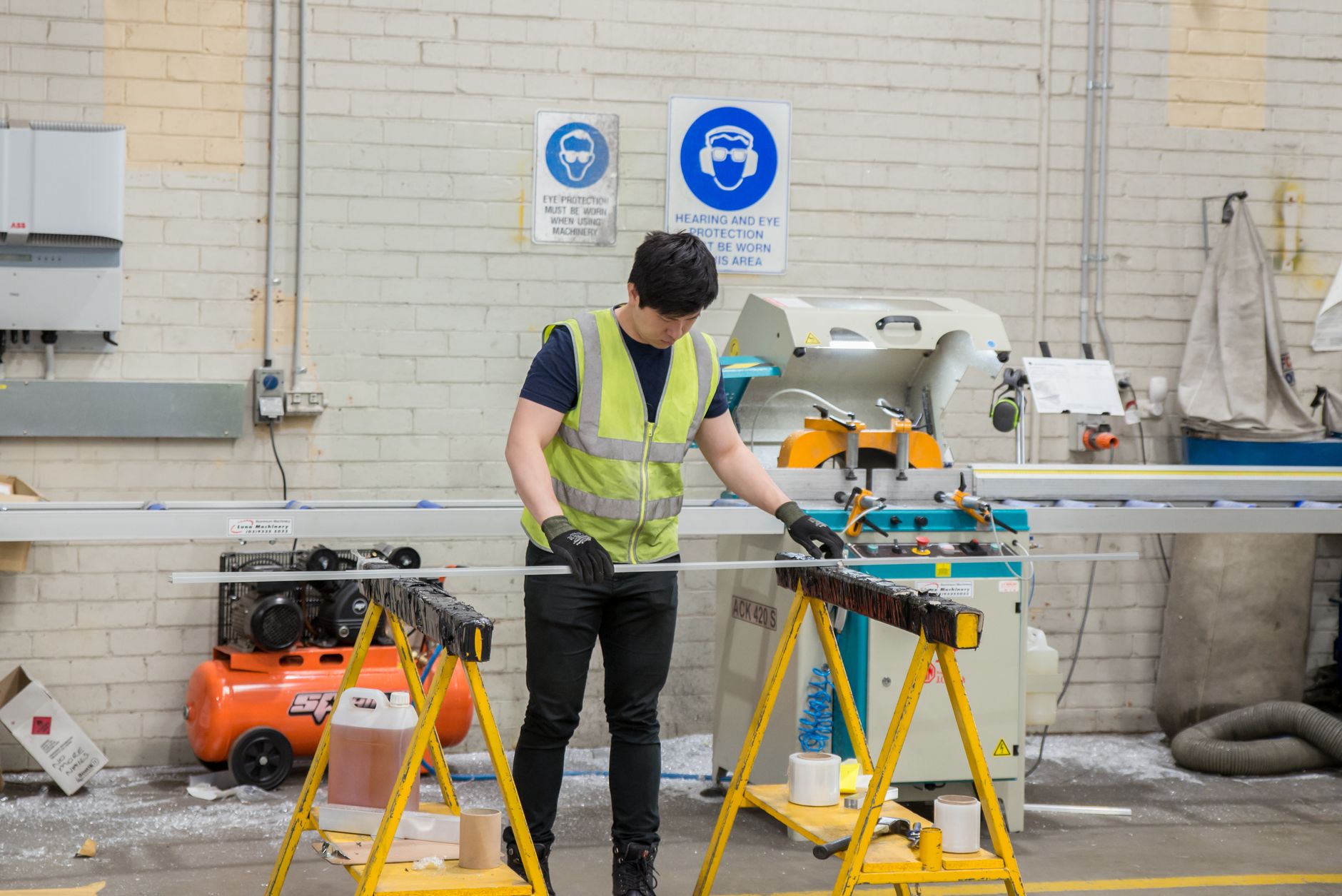
When safety and brand visibility need to work together, few products deliver as effectively as branded reflective gear. For Australian manufacturing plants — whether you’re running a facility in Western Sydney, operating a processing warehouse on the outskirts of Melbourne, or managing a heavy industrial site in the Pilbara — the challenge isn’t just keeping workers safe. It’s doing so while maintaining a professional, cohesive brand presence across your entire workforce. Branded reflective gear for manufacturing plants in Australia sits at the intersection of workplace compliance, staff pride, and corporate identity. And if you’re a reseller, marketing agency, or procurement manager sourcing these products, understanding what makes a compliant and high-quality order means the difference between getting it right the first time and costly rework.
Why Manufacturing Plants Need More Than Standard Hi-Vis
Walk through any Australian manufacturing facility and you’ll notice that most workers are dressed in high-visibility clothing — because the law requires it. But there’s a significant difference between basic hi-vis that simply meets the minimum standard and branded reflective gear that reinforces your client’s identity, boosts morale, and signals professionalism to visitors, auditors, and supply chain partners.
Australian Standard AS/NZS 4602.1 governs high-visibility safety garments for occupational use. Products need to meet specific requirements around fluorescent background material and retroreflective tape placement. Class D garments (for daytime use) and Class N garments (for night-time use) have different tape requirements, with Class DN covering both conditions. Any supplier sourcing branded reflective gear for manufacturing plants in Australia must be across these requirements — and ensuring the decoration method doesn’t compromise tape placement or garment compliance is critical.
Beyond compliance, there are practical branding reasons to invest in quality branded reflective gear:
- Visitor and contractor management: A consistent uniform instantly identifies staff from contractors and visitors on the plant floor
- Brand authority: Clients, auditors, and supply chain partners form impressions based on how your workforce presents
- Staff cohesion: Branded workwear builds team identity, particularly in large manufacturing operations with dozens or hundreds of employees
- Asset management: Branded gear is easier to track and return, reducing loss and replacement costs over time
Common Product Types for Manufacturing Plant Workwear
The range of branded reflective gear suitable for manufacturing environments is broader than many buyers initially expect. Here’s a breakdown of the most commonly ordered product types and what to consider for each.
Branded Hi-Vis Vests and Singlets
Hi-vis vests are arguably the most frequently ordered item for manufacturing plants. They’re worn over regular workwear, making them practical for environments where full uniform isn’t required but visibility still matters. Branded vests can be decorated with company logos, department names, or even individual employee names — particularly useful in large facilities where role identification matters.
Decoration options for hi-vis vests are typically limited to the panels of fluorescent background material — not on or adjacent to reflective tape. Screen printing is a popular and cost-effective method for flat panels, while heat transfer vinyl works well for smaller runs. Minimum order quantities for branded hi-vis vests typically start around 25–50 units, though larger manufacturing operations in Queensland and Victoria often order in the hundreds.
Long-Sleeve Hi-Vis Shirts and Polos
Long-sleeve hi-vis shirts and polos are workhorses of the Australian manufacturing sector. They provide coverage and sun protection (critical in exposed environments), maintain compliance, and offer ample decoration space on the chest, back yoke, and sleeves.
Embroidery is a premium option for polo shirts, giving a durable, professional finish that withstands industrial laundering. If you’re looking at similar approaches for other sectors, our guide on custom embroidered tactical polo shirts covers the key decisions around thread count, placement, and durability. For manufacturing workwear, the same principles apply — high-stitch embroidery on polyester cotton blends is a go-to choice.
Hi-Vis Jackets and Hoodies
Manufacturing plants that operate in cool-store environments (think food processing in Adelaide or refrigerated logistics hubs in Melbourne) or outdoor-adjacent manufacturing (Queensland and Northern Territory facilities) require insulated or weather-resistant outer layers. Branded hi-vis jackets and hooded fleeces in Class DN-rated configurations allow workers to stay warm without sacrificing visibility compliance.
Team varsity jackets can inspire ideas around premium branded outerwear, but for manufacturing, the focus shifts squarely to compliance-grade materials with weather-resistant coatings and taped seams.
Hi-Vis Caps and Hard Hat Accessories
Caps aren’t always reflective in the traditional sense, but branded hi-vis caps with reflective accents are increasingly popular — particularly in mixed environments where hard hats aren’t required at all times. Custom branded caps for manufacturing settings can be ordered via the same workwear suppliers handling broader uniform needs. Custom lanyards for sale are another accessory worth bundling into manufacturing plant orders — useful for visitor passes, key cards, and contractor identification systems.
Decoration Methods for Reflective Workwear
Choosing the right decoration method for branded reflective gear isn’t just an aesthetic decision — it’s a safety-critical one. Some methods are better suited to specific materials and compliance requirements than others.
Screen Printing
Screen printing is cost-effective for bulk orders and works well on the flat fluorescent panels of hi-vis vests and shirts. It produces bold, vibrant logos that hold up under repeated washing. However, placement restrictions apply — you cannot print over reflective tape, and the opacity of some inks must be tested against hi-vis background materials to ensure they don’t reduce luminance.
Embroidery
Embroidery adds a premium finish and exceptional durability. It’s ideal for chest placement on polos and shirts. The key consideration for manufacturing environments is that embroidered logos on hi-vis polyester must use thread that doesn’t shade or alter the background colour in a way that could compromise compliance.
Heat Transfer and Vinyl
Heat transfer applications (including reflective vinyl) are excellent for adding names, numbers, or department identifiers. They’re frequently used in facilities where workers rotate through roles and labelling updates are needed periodically. Short-run and even single-item decoration is viable, making heat transfer useful for ongoing maintenance orders.
Pad Printing and Laser Engraving
While these methods don’t apply to soft goods, they’re relevant when manufacturing plants order branded accessories alongside their workwear — such as reflective hard hat clips, torch attachments, or branded drinkware for the facility. Laser-engraved stainless steel water bottles, for example, make strong additions to a workwear pack. For hydration products, consider also branded water bottles to understand decoration method options across different materials.
Sourcing Branded Reflective Gear: What to Look for in a Supplier
Whether you’re a reseller putting together a quote for a manufacturing client or a procurement manager at a plant in Perth, supplier selection matters enormously. Not all promotional product suppliers have the capability or compliance knowledge to handle hi-vis workwear orders correctly.
Key factors to evaluate in a supplier:
- Compliance documentation: Can they confirm the garments meet AS/NZS 4602.1? Reputable suppliers will provide compliance test certificates on request.
- Decoration experience with hi-vis: Not every print shop understands the limitations of decorating reflective workwear. Ask for samples.
- MOQs and flexibility: Manufacturing plants often need staged deliveries — new starter kits, seasonal replacements, or contractor bundles. Find suppliers who can accommodate smaller top-up orders after the initial bulk run.
- Turnaround times: Large orders of branded reflective gear typically require 2–4 weeks from artwork sign-off, though express options exist. Factor this into project timelines.
- Size range availability: Manufacturing workforces are diverse. Suppliers should offer sizes from XS to 7XL at minimum across their hi-vis range.
If you’re based in Western Australia, our guide to Perth promotional product suppliers includes useful context around sourcing from local versus east-coast suppliers for time-sensitive orders.
Bundling Workwear into Broader Branded Merchandise Packs
Savvy resellers and procurement teams know that manufacturing plant orders rarely end at clothing. There’s often an opportunity to bundle branded reflective gear with complementary products for new starter kits, safety awareness campaigns, or contractor induction packs.
Consider pairing hi-vis workwear with:
- Custom branded hearing protection — factories and manufacturing environments are high-noise spaces. Including branded earmuffs or plugs in an induction kit is practical and appreciated. Our resource on custom branded hearing protection for audiology clinic gifts covers relevant decoration and sourcing options.
- Branded notebooks or safety logbooks — screen-printed hardcover notebooks for toolbox talks and safety logs add value to the bundle
- USB drives — for distributing safety training materials during induction. Promotional USB flash drives remain a practical inclusion in safety onboarding kits
- Branded drinkware — encouraging hydration in physical environments is a genuine WHS consideration
For seasonal campaigns — think Christmas shutdown gifts for the workforce — see our guide to Christmas custom products in Australia for ideas that pair well with workwear orders.
Budget Considerations for Bulk Reflective Workwear Orders
Understanding costs upfront avoids project blowouts. Here’s a realistic breakdown for manufacturing plant buyers in 2026:
- Branded hi-vis vest (screen print): $18–$35 per unit at 50+ units, depending on garment quality and print complexity
- Hi-vis polo (embroidered): $35–$65 per unit at 50+ units
- Hi-vis jacket (embroidered or heat transfer): $75–$130 per unit
- Setup fees: Typically $50–$120 per decoration position for screen printing; embroidery digitisation runs $60–$150 as a one-off
Artwork requirements matter too. Suppliers will typically request vector files (.AI or .EPS) for screen printing and embroidery digitisation. Submitting low-resolution files delays approval and can add artwork fees to the order.
For larger facilities ordering 200+ units, tiered pricing can significantly reduce per-unit costs. Always request a full pricing schedule and ask whether the supplier can split shipments across multiple plant locations — relevant for national manufacturing operations with sites in Brisbane, Adelaide, and Darwin.
Conclusion: Key Takeaways for Sourcing Branded Reflective Gear for Manufacturing Plants in Australia
Sourcing branded reflective gear for manufacturing plants in Australia requires a careful balance of compliance knowledge, decoration expertise, and procurement planning. Whether you’re a reseller quoting on a national manufacturing account or a plant manager kitting out a new shift team, getting the details right protects both workers and your client’s brand.
Here are the key takeaways to guide your next order:
- Always confirm compliance: Ensure garments meet AS/NZS 4602.1 and that your chosen decoration method doesn’t compromise retroreflective tape or background luminance
- Choose the right decoration method for the application: Embroidery for polos and jackets, screen printing for vests and flat panels, heat transfer for flexible short runs
- Plan for sizing diversity: Manufacturing workforces are varied — source from suppliers who offer a wide size range and can accommodate top-up orders
- Bundle strategically: New starter kits, induction packs, and seasonal gifts create upsell opportunities alongside core workwear orders
- Factor in lead times and compliance documentation: Plan 3–4 weeks minimum for larger branded orders and always request AS/NZS compliance certificates before confirming a supplier
With the right supplier and a clear brief, branded reflective gear becomes more than just a uniform requirement — it’s a genuine expression of your client’s commitment to safety and professional identity.