
How to Get Branding Right on Corporate Gifts That Actually Impress
Learn how to brand corporate gifts effectively for maximum impact. Practical tips on decoration, product choice, budgeting and supplier selection in Australia.

Written by
Ollie Brown
Corporate Gifts
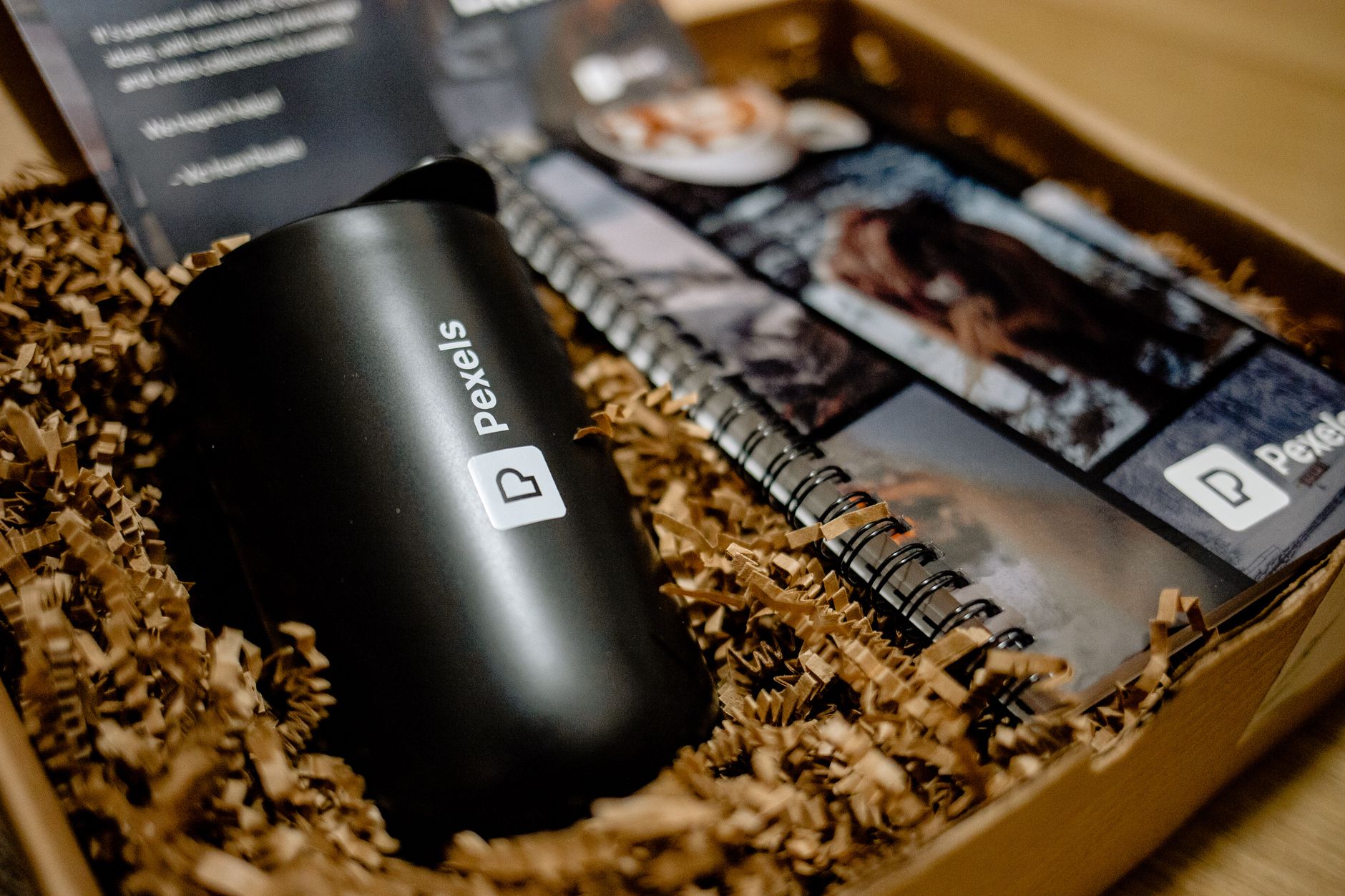
Choosing the right corporate gift is only half the battle. The other half — arguably the more important half — is getting the branding right. A beautifully chosen product with clumsy, misaligned, or low-quality branding can undermine your entire effort, while a simple, well-branded item can leave a lasting impression that reinforces your organisation’s professionalism for months or even years. Whether you’re a marketing agency sourcing gifts for a client’s end-of-year campaign, a business putting together a welcome pack for new employees, or a reseller advising clients on branded merchandise strategy, understanding how branding corporate gifts actually works — from decoration method selection through to artwork preparation and supplier coordination — is essential knowledge.
Why Branding Corporate Gifts Is About More Than Just a Logo
There’s a common misconception that branding a corporate gift simply means slapping a logo on a product and calling it done. In practice, effective branding is far more nuanced than that. It’s about creating a cohesive, intentional experience that aligns with your client’s brand identity, resonates with the recipient, and reflects positively on the organisation long after the gift has been received.
Consider the difference between a generic branded pen with a faded pad-printed logo and a premium leather notebook with a precisely debossed logo on the cover. Both carry a brand mark, but the experiences they create — and the impressions they leave — are worlds apart.
When branding corporate gifts well, you need to think holistically:
- Brand alignment: Does the product reflect the values and aesthetic of the brand?
- Decoration quality: Does the branding method suit the product and produce a lasting result?
- Recipient relevance: Will the recipient actually use this item, keeping the brand visible?
- Presentation: How is the gift packaged and delivered?
Getting all four of these elements right is what separates a forgettable corporate gift from one that genuinely strengthens relationships and brand recall.
Understanding Decoration Methods for Corporate Gifts
One of the most consequential decisions in the branding process is choosing the right decoration method. Different products lend themselves to different techniques, and the wrong pairing can produce substandard results regardless of how good the original artwork looks.
Here’s a breakdown of the most common methods used when branding corporate gifts in Australia:
Embroidery
Embroidery is the gold standard for fabric-based items like polo shirts, caps, and tote bags. It produces a premium, textured finish that communicates quality and longevity. It’s particularly popular for corporate apparel gifted to clients or staff. However, it’s less suitable for very fine detail or gradient-heavy logos, so artwork may need to be simplified.
If you’re sourcing branded polo shirts for a Sydney financial services firm to gift to their top-tier clients, embroidery on the left chest is almost always the right call. For a deeper look at how this process works, our guide to embroidery for branded apparel covers everything from stitch counts to file formats.
Laser Engraving
Laser engraving is ideal for hard goods like metal water bottles, leather goods, glassware, USB drives, and award items. It burns or etches the design directly into the surface, creating a permanent, elegant result with no risk of peeling or fading. For premium corporate gifts aimed at executives or VIP clients, laser engraving is often the preferred choice.
A Melbourne professional services firm gifting engraved stainless steel tumblers to key partners would expect this level of finish — and rightly so.
Pad Printing
Pad printing is one of the most versatile and cost-effective decoration methods, suitable for a wide range of surfaces including pens, USB drives, keyrings, and small plastic or rubber items. It works by transferring ink from an engraved plate onto the product via a silicone pad. It’s great for high-volume, budget-conscious campaigns but isn’t ideal for very large logo placements or photographic-quality images.
Screen Printing
Screen printing is the go-to method for branded t-shirts, tote bags, and flat fabric items ordered in volume. It produces vibrant, durable colours and is highly cost-effective at scale. If a Brisbane events company is gifting branded tote bags to 500 conference attendees, screen printing is likely the most economical and visually impactful choice. Our overview of screen printing vs embroidery can help you advise clients on which method suits their project.
Sublimation
Sublimation allows for full-colour, all-over printing and is particularly suited to polyester apparel, ceramic mugs, and certain drinkware items. It produces photographic-quality results but requires specific substrate materials to work correctly. It’s a strong choice when a brand has a complex, colourful design that can’t be replicated through other methods.
Debossing and Embossing
These methods are used primarily on leather and faux-leather goods such as notebooks, cardholders, and portfolios. Debossing (pressing the design into the surface) creates a subtle, sophisticated look that feels genuinely premium — ideal for executive-level gifts.
Selecting the Right Products to Brand
Decoration method selection is inseparable from product selection. The two decisions need to be made together, not sequentially. When advising clients or selecting gifts for your own organisation, consider the following product categories and their branding potential.
Drinkware
Branded drinkware — keep cups, stainless steel tumblers, glass bottles, and ceramic mugs — is one of the most effective corporate gift categories because recipients use these items daily, often in public. That translates to ongoing, passive brand exposure. Branded keep cups are particularly popular with sustainability-conscious brands in cities like Melbourne and Adelaide. Laser engraving and sublimation are the dominant decoration methods here.
Premium Notebooks and Stationery
A high-quality notebook with a debossed logo is a perennial favourite in the corporate gift space. It’s practical, desk-visible, and signals that the gifting organisation values quality. Pairing a leather-bound notebook with a branded pen creates a cohesive gift set that feels considered rather than generic.
Tech Accessories
Power banks, wireless chargers, and Bluetooth speakers are high-perceived-value gifts that recipients genuinely appreciate. They tend to work well with pad printing or laser engraving and are particularly effective for tech-sector clients or as conference VIP gifts. Check out our guide to branded tech products for supplier and specification advice.
Eco-Friendly Products
Sustainable gifting is no longer a niche — it’s increasingly an expectation, especially among Perth-based resources companies trying to demonstrate environmental responsibility, or Canberra government departments with sustainability mandates. Bamboo products, recycled tote bags, and reusable drinkware all brand beautifully. Our eco-friendly promotional products guide walks through the best options available through Australian suppliers.
Premium Apparel
Custom hoodies, quality polos, and branded jackets make excellent gifts when the recipient relationship warrants it. These are often reserved for staff, long-term partners, or premium client tiers. For guidance on selecting the right garments and decoration approach, see our guide to corporate branded apparel.
Practical Considerations: Budgets, MOQs and Turnaround Times
Branding corporate gifts effectively also means understanding the practical logistics involved in any order. Here are the key factors to plan around:
Minimum Order Quantities (MOQs)
Most Australian promotional product suppliers have MOQs that vary by product and decoration method. Embroidered caps might have an MOQ of 12–24 units, while screen-printed tote bags might start at 50–100 units. Premium laser-engraved items sometimes start as low as 5–10 units for high-end runs. Understanding MOQs upfront helps set realistic expectations with clients. Read more in our guide to MOQs in promotional products.
Setup Fees
Most decoration methods involve a one-off setup fee — for screen printing this covers screen creation; for embroidery, it covers digitising the artwork. These fees can range from $30 to $150 or more per colour or position. For small orders, setup fees can represent a significant proportion of the total cost, which is why per-unit costs drop considerably at higher quantities.
Turnaround Times
Standard turnaround in Australia is typically 10–15 business days after artwork approval. Rush orders are often available for a surcharge, but planning well in advance is always the smarter approach — especially for Christmas gifting campaigns or conference deadlines. If you’re working to a tight deadline, our article on rush promotional product orders has practical advice.
Artwork Requirements
Most suppliers require vector artwork (AI, EPS, or PDF files) for best results. Low-resolution JPEGs or PNGs can cause print quality issues. If your client only has a web logo, work with a graphic designer to recreate it in vector format before submitting. Our artwork preparation guide for promotional products covers the technical requirements in detail.
Working With Suppliers to Get the Best Results
Whether you’re a reseller, a marketing agency, or an in-house marketing manager in Brisbane or Gold Coast, your relationship with your supplier matters enormously. A good supplier will offer proofs before production, flag potential artwork issues, advise on decoration method suitability, and maintain consistent quality across repeat orders.
Always request a physical or digital proof before approving a full production run. Check colour accuracy against your client’s PMS (Pantone Matching System) references — especially important for brands with strict colour guidelines. And never skip the sample stage for large or high-value orders; the cost of a sample is negligible compared to the cost of reprinting 500 premium items.
For resellers managing multiple client accounts, building strong supplier relationships — and understanding which suppliers specialise in which product categories — is a genuine competitive advantage. Our guide to finding promotional product suppliers in Australia is a useful starting point for developing your supplier network.
Conclusion: Key Takeaways for Branding Corporate Gifts Effectively
Getting branding corporate gifts right requires planning, product knowledge, and a clear understanding of decoration methods and supplier capabilities. Done well, a branded corporate gift can serve as a powerful touchpoint that reinforces your brand every time the recipient uses it.
Here are the key takeaways to remember:
- Match decoration method to product: Embroidery for fabric, laser engraving for hard goods, sublimation for full-colour needs — the method should always suit the substrate.
- Plan early: Turnaround times, MOQs, and artwork preparation all take time. Build a realistic timeline and communicate it clearly with clients.
- Prioritise quality over quantity: A smaller number of well-branded, high-quality gifts will almost always outperform a large volume of generic, poorly branded items.
- Always approve a proof: Whether digital or physical, never proceed to production without reviewing and approving a proof against your brand colour standards.
- Think about recipient experience: The best branding corporate gifts feel thoughtful and useful — products that earn a permanent place on someone’s desk or in their daily routine are the ones that keep delivering brand impressions.