
How to Choose the Right Company Promotional Items for Maximum Brand Impact
Discover how Australian businesses can select, order, and budget for company promotional items that drive real brand awareness and ROI.

Written by
Ollie Brown
Corporate Gifts
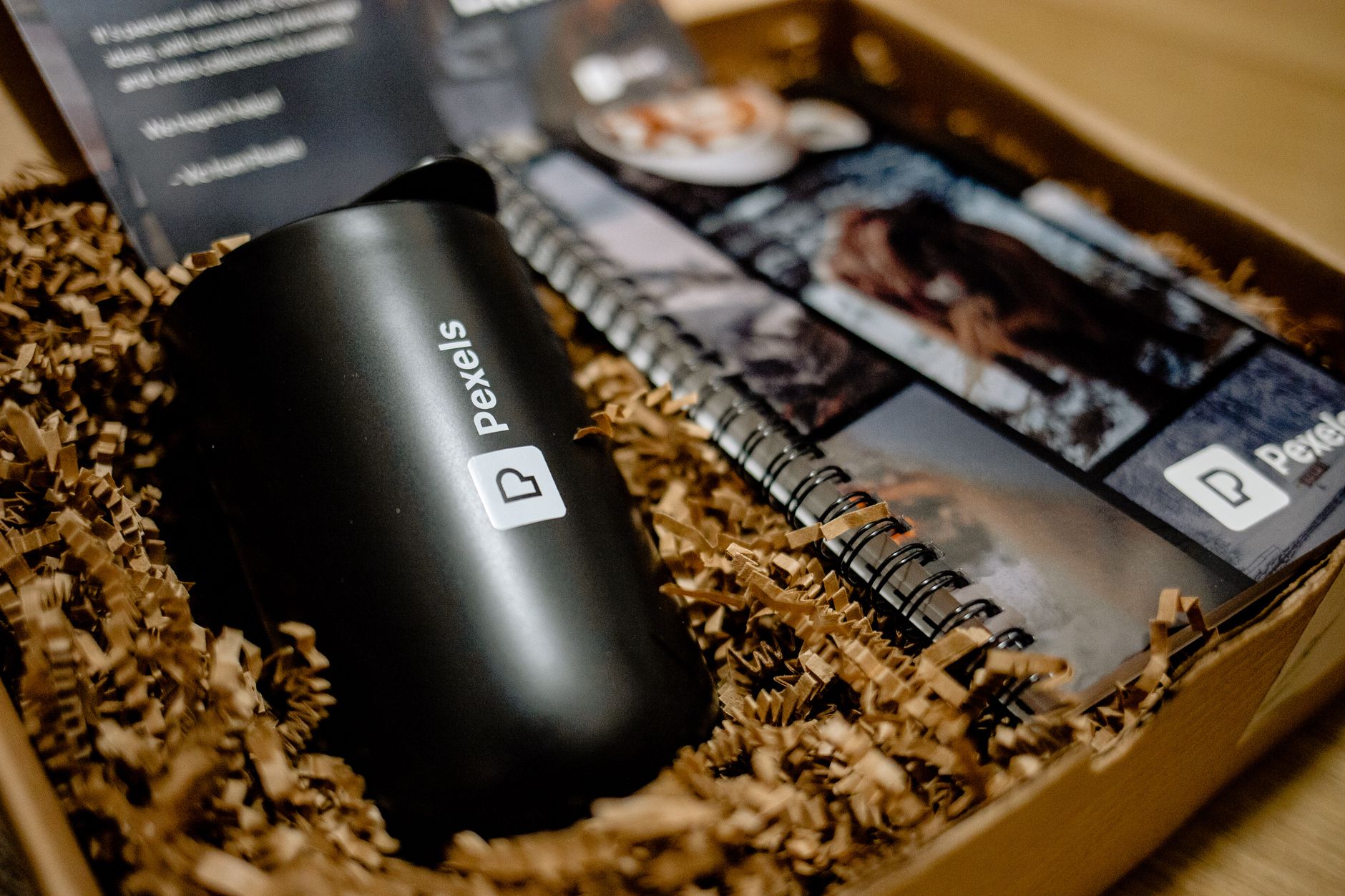
Choosing the right company promotional items can feel overwhelming — especially when you’re staring down a catalogue of thousands of products, a tight deadline, and a marketing budget that needs to stretch as far as possible. Whether you’re a marketing agency planning a product launch event in Sydney, a corporate reseller building out a client gift campaign in Melbourne, or a Queensland business preparing for a trade show, the decisions you make around promotional merchandise will directly influence how your brand is perceived. Done well, the right branded items create lasting impressions that keep your company front of mind long after the initial contact. Done poorly, they end up in a drawer — or worse, in the bin.
This guide breaks down everything you need to know to make smart, strategic choices when sourcing company promotional items in Australia.
Why Company Promotional Items Still Matter in 2026
In an era dominated by digital marketing, it might seem counterintuitive to invest in physical branded products. But the data consistently tells a different story. Promotional merchandise delivers one of the highest cost-per-impression rates of any marketing channel, and unlike a social media ad that disappears in seconds, a quality branded item can remain in use for months or even years.
For a deeper look at the numbers, our breakdown of promotional products industry statistics confirms just how significant the ROI can be for Australian businesses. The tactile nature of physical merchandise creates an emotional connection that digital simply cannot replicate.
Consider this: a well-chosen reusable water bottle, a premium notebook, or a quality tote bag keeps your brand visible every single day. That’s repeated brand exposure without any additional spend — and that’s a compelling proposition for any marketing budget.
Understanding Your Audience Before You Order
The single biggest mistake businesses make when ordering company promotional items is choosing products they personally like rather than products their audience will actually use. Before you even think about decoration methods or MOQs, you need to get crystal clear on who will be receiving these items.
Ask yourself:
- Who is the recipient? Are you gifting clients, rewarding employees, attracting leads at a trade show, or building brand awareness at a community event?
- What is the occasion? A conference giveaway calls for something lightweight and portable. An end-of-year corporate gift should feel premium and considered.
- Where will they use it? Office workers in a Perth CBD role will appreciate different products than outdoor staff in Darwin or field workers across regional Western Australia.
- What message does the product send? An eco-friendly item signals sustainability values. A tech accessory communicates innovation. A food product creates warmth and generosity.
For businesses unsure where to begin, it’s worth reading our guide on what merchandise actually is — it provides a solid framework for thinking about branded products strategically rather than reactively.
Popular Categories of Company Promotional Items
Not all promotional products are created equal. Some deliver far better engagement, longevity, and brand visibility than others. Here’s a breakdown of the most effective categories for Australian businesses in 2026.
Branded Drinkware
Drinkware consistently ranks as one of the most effective promotional product categories. Keep cups, reusable water bottles, and branded mugs travel everywhere — from the office to the gym to the café. They’re used daily, they’re visible to others, and they genuinely replace single-use alternatives, which makes them both functional and environmentally responsible.
If you’re considering drinkware for your next campaign, our guide to printing on water bottles covers the key decoration options, and our overview of pad printing on custom water bottles digs into one of the most popular print methods for this category. For a broader look at return on investment, the drinkware ROI data guide is essential reading.
Custom Apparel
Branded clothing is a perennial favourite — and for good reason. T-shirts, polo shirts, hoodies, and caps turn recipients into walking brand ambassadors. For corporates, personalised t-shirts offer a cost-effective way to build team identity or create event merchandise at scale.
If your organisation needs something with more premium appeal — say, for a senior leadership team or a client gift — team varsity jackets offer a stylish, high-perceived-value alternative that stands out in a sea of generic polos.
Eco-Friendly Products
Sustainability is no longer just a nice-to-have — it’s a core brand value for many Australian companies, councils, and not-for-profits. Eco-conscious promotional items signal genuine commitment to environmental responsibility, and they resonate deeply with Australian audiences who are increasingly mindful of waste.
Wheat straw corporate gifts are an excellent example of how businesses can align promotional spend with sustainability goals. Bamboo, recycled materials, and reusable products across all categories are worth exploring when briefing your supplier.
Tech Accessories
Tech products carry high perceived value and are consistently appreciated by corporate recipients. USB drives, solar power banks, phone accessories, and wireless chargers all perform well as corporate gifts and trade show giveaways.
Promotional USB flash drives remain a practical option, especially for agencies and education providers sharing digital content. Meanwhile, solar power banks have emerged as a smart choice for businesses wanting to communicate sustainability and innovation simultaneously.
Bags and Cooler Bags
Bags offer excellent brand exposure because they’re used in public spaces — supermarkets, markets, beaches, offices. A good quality tote or cooler bag is something recipients actually want to keep.
Promotional cooler bags are particularly popular for food and beverage brands, real estate agencies running seasonal campaigns, and sporting clubs. They’re practical, they photograph well in campaign collateral, and they tend to be kept for a long time.
How to Budget for Company Promotional Items
Budgeting for promotional merchandise requires thinking beyond the unit price. Here’s a realistic framework:
Per-unit product cost — This varies enormously by product, from under $1 for basic branded pens at large quantities to $50+ for premium corporate gifts. Bulk pricing tiers mean the more you order, the lower your cost per unit.
Setup fees — Most decoration methods involve a one-time setup fee per colour or per position. Screen printing, embroidery, and laser engraving all typically incur setup charges ranging from $30 to $120 depending on complexity.
Artwork preparation — If your files aren’t print-ready (vector format, correct colour profiles), expect to pay for artwork preparation or conversion. Always supply files in AI or EPS format where possible.
Freight — Australia’s geography means freight costs can be significant, especially for heavy items or deliveries to regional areas. A Brisbane-based business shipping to North Queensland or remote Western Australia should factor this in carefully.
Sampling — Always budget for a sample before committing to a large order. A physical sample protects you from surprises and allows stakeholders to approve the product before production begins.
For businesses sourcing in Western Australia, our guide to Perth promotional product suppliers covers what to look for in a local or national supplier with strong WA distribution capability.
Personalisation and Decoration: Getting It Right
The decoration method you choose affects the final look, feel, durability, and cost of your promotional items. Different products suit different methods:
- Embroidery — Premium look, excellent durability. Best for polos, caps, and jackets.
- Screen printing — Cost-effective for large runs with solid colour artwork. Great for t-shirts, tote bags, and apparel.
- Laser engraving — Creates a sophisticated, permanent mark on metal, bamboo, or leather. Ideal for premium gifts.
- Pad printing — Precise and cost-effective for hard surface products like pens, bottles, and USB drives.
- Sublimation — Full-colour, photographic-quality prints for polyester apparel, drinkware, and mouse pads.
For personalised corporate gifts, the decoration method often plays as important a role as the product itself in how the gift is received. A laser-engraved timber box communicates care and craftsmanship. A screen-printed tote communicates casual and accessible. Match the method to the message.
Seasonal and Occasion-Based Campaigns
Smart businesses don’t just order promotional items reactively — they plan campaigns around key occasions. Mother’s Day, Christmas, EOFY, Australia Day, and back-to-school periods all represent opportunities to run timely, well-targeted promotional campaigns.
Mother’s Day promotional gifts offer a great example of how seasonal timing can make a promotional campaign feel relevant and thoughtful rather than generic.
For businesses in Tasmania, premium corporate gifts in Hobart provides local context and supplier considerations for the southern market.
Cosmetic bags are another product category worth exploring for occasion-based gifting — promotional cosmetic bags in Melbourne covers what’s available and how to brand them effectively for retail, wellness, and beauty sector clients.
Onshore vs Offshore Manufacturing
One consideration that often catches businesses off-guard is where their products are manufactured. Offshore production typically offers lower unit costs, but comes with longer lead times — sometimes six to twelve weeks. Onshore or locally-sourced production offers faster turnaround and often better quality assurance, but at a higher price point.
Our guide to promotional product manufacturing trends — onshore vs offshore covers this topic in detail and helps businesses and resellers make an informed decision based on their timeline and budget.
Conclusion: Key Takeaways for Choosing Company Promotional Items
Selecting the right company promotional items is as much a strategic decision as it is a creative one. When you approach it thoughtfully — with your audience, message, budget, and timeline in mind — branded merchandise can deliver genuine, measurable value for your business or your clients.
Here are the key points to take with you:
- Know your audience before you order — the best promotional item is the one your recipient will actually use.
- Match the product to the occasion — a trade show giveaway, a staff reward, and a client thank-you gift all call for very different products.
- Choose decoration methods that suit the product and the brand — embroidery, screen printing, laser engraving, and sublimation each serve different purposes.
- Budget beyond the unit price — setup fees, freight, artwork, and sampling all add to the total cost of a promotional campaign.
- Plan ahead — lead times for offshore-manufactured products can be significant, and last-minute orders often mean compromising on quality or quantity.
With the right sourcing strategy and a clear brief, company promotional items remain one of the most cost-effective brand-building tools available to Australian businesses in 2026.