
Custom Branded Merchandise for Tourism Operators in Phillip Island: The Complete Guide
Discover the best custom branded merchandise strategies for Phillip Island tourism operators, from product selection to supplier tips and budgeting.

Written by
Aria Patel
Buying Guides & Tips
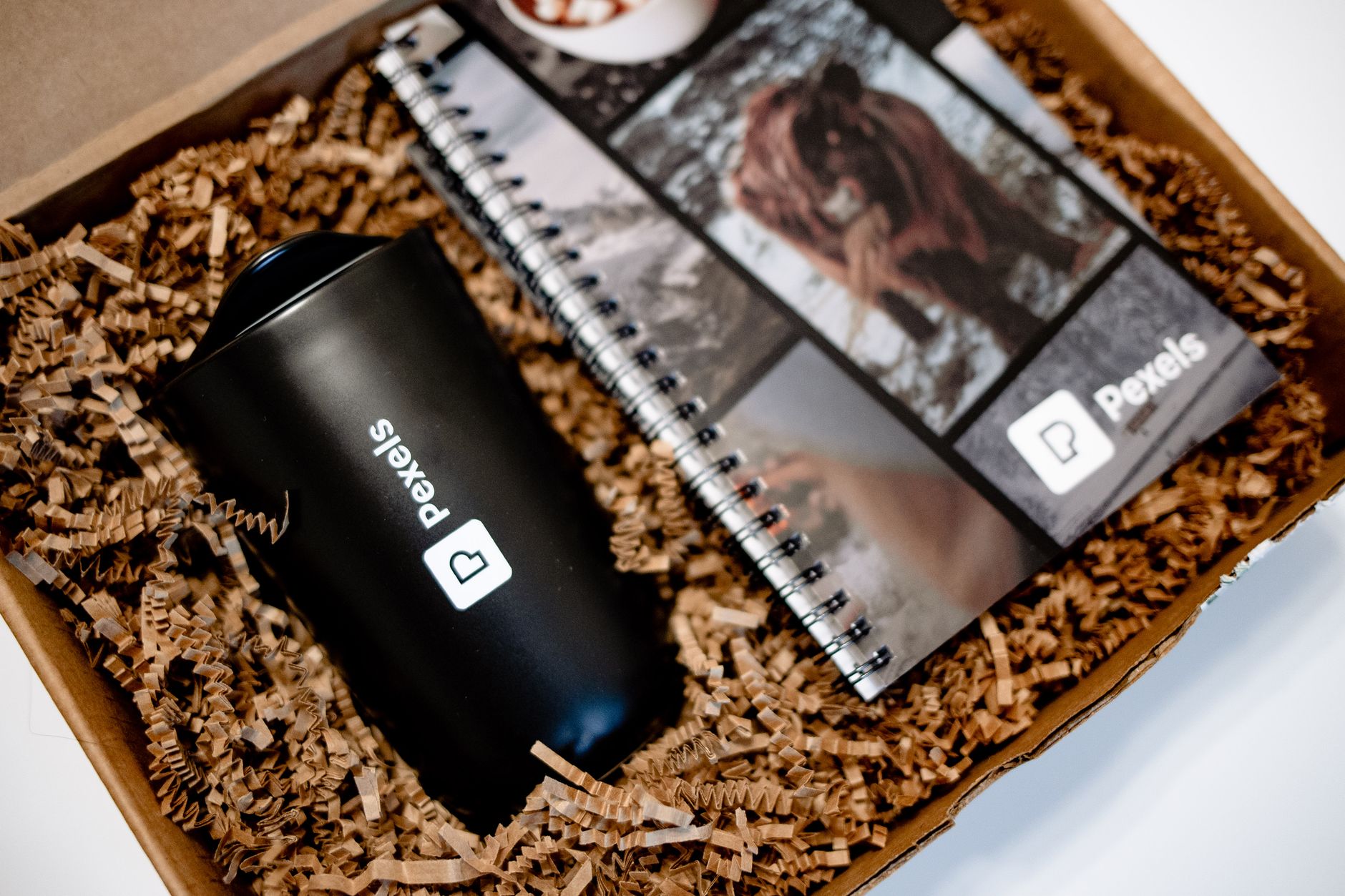
Phillip Island is one of Victoria’s most iconic tourism destinations — home to the world-famous Penguin Parade, the MotoGP circuit, seal colonies, surf beaches, and a thriving food and wine scene that draws millions of domestic and international visitors every year. For tourism operators on the island, that steady flow of guests represents an incredible opportunity to create lasting brand impressions through custom branded merchandise. Whether you run an eco-tour, a cafe, a surf school, a wildlife sanctuary, or an accommodation provider, the right branded products can turn a one-time visitor into a loyal ambassador who carries your brand home to Sydney, Brisbane, Tokyo, or London. This guide is designed specifically for Phillip Island tourism businesses — and the resellers and marketing agencies that support them — looking to make smarter decisions about custom branded merchandise for tourism operators in Phillip Island.
Why Branded Merchandise Matters for Phillip Island Tourism Businesses
Tourism merchandise is one of the most powerful marketing tools available to operators in destination-based locations. Unlike digital advertising, a branded cap or keep cup keeps working long after a visitor has left the island. Research from the promotional products industry statistics consistently shows that recipients keep and use promotional items for months or even years, generating ongoing impressions at a fraction of the cost of traditional advertising.
For Phillip Island operators, merchandise serves several purposes simultaneously:
- Revenue generation — quality branded products sold at point of sale add a direct income stream
- Brand awareness — products used publicly in Melbourne, regional Victoria, or interstate carry your logo into new markets
- Visitor experience — well-chosen merchandise enhances the memory of a visit and strengthens emotional connection to your brand
- Repeat business and referrals — a great product prompts recipients to share, gift, or recommend
The key distinction for tourism operators is that merchandise here isn’t just a giveaway — it’s often a retail product that needs to justify a price point. That means quality, design, and relevance matter enormously.
Choosing the Right Products: What Works for Tourism Operators
Not every promotional product is a good fit for a tourism context. The best merchandise for Phillip Island operators tends to be practical, visually appealing, and connected to the destination’s identity — think coastal landscapes, wildlife, outdoor adventure, and sustainability.
Apparel and Wearables
Custom apparel is a perennial bestseller for tourism businesses. Visitors love taking home something wearable that commemorates the destination. For Phillip Island operators, custom t-shirts and polo shirts are an obvious starting point, but the options extend much further. Team varsity jackets and hoodies work particularly well for surf schools, tour companies, and adventure operators — they’re functional in the coastal climate and carry high perceived value.
Caps are another strong performer. A quality embroidered cap featuring your brand and perhaps a Phillip Island graphic can retail comfortably at $25–$45 and has strong sell-through rates at tourism retail points.
For decoration, embroidery tends to hold up better on wearables that customers will wash regularly, while screen printing suits high-volume runs where vivid colour and bold graphics are priorities. Minimum order quantities (MOQs) for custom apparel typically start at around 12–24 units for embroidery and 24–50 units for screen printing, though this varies by supplier.
Drinkware
Branded drinkware is arguably the strongest category for tourism operators right now, driven by both lifestyle trends and eco-consciousness. Visitors to Phillip Island are often environmentally aware travellers, and a quality reusable branded water bottle or keep cup aligns perfectly with the island’s conservation values — particularly given its proximity to the Penguin Parade and seal colony.
If you’re interested in understanding the return on investment from drinkware before committing to a large order, it’s worth reviewing the ROI data on promotional drinkware to understand how these products perform compared to other merchandise categories.
For operators in the café and hospitality space, branded mugs and keep cups double as both giveaway items and retail products. Sublimation printing works beautifully for full-colour ceramic mugs, while laser engraving gives stainless steel drinkware a premium, lasting finish.
Eco-Friendly and Sustainable Products
Sustainability is not a trend in Phillip Island tourism — it’s a core value. Many of the island’s most popular attractions are built around wildlife conservation, and visitors naturally gravitate towards products that reflect those values. Eco-friendly merchandise made from sustainable materials is increasingly a purchasing driver.
Wheat straw corporate gifts are a compelling option — products made from the byproduct of wheat production that would otherwise go to waste. Wheat straw drinkware, cutlery sets, and desk accessories carry an authentic sustainability story that resonates with eco-conscious visitors.
For bags and carry items, consider products from recycled or natural materials. Tote bags made from organic cotton or recycled PET are popular retail items at eco-tourism businesses, and they tick both the practical and values-alignment boxes simultaneously.
Tech Accessories
Tech products have broad appeal across visitor demographics. A solar power bank branded with your logo is a genuinely useful item for travellers exploring the island’s outdoor attractions — nobody wants to run out of battery while photographing Little Penguins at dusk. These products carry high perceived value and are well-suited to premium gift packaging for hospitality and accommodation providers.
Branded USB flash drives are another practical option, particularly for operators who want to distribute digital content (maps, guides, discount codes) alongside their brand. MOQs for tech accessories start from around 50–100 units depending on the product and supplier.
Bags and Accessories
Promo cooler bags are a natural fit for Phillip Island tourism operators — think winery tours, farm gates, market stalls, and beach picnic experiences. A quality branded cooler bag is a product visitors will genuinely use and take home, extending your brand’s reach well beyond the island.
Working with Suppliers: What Tourism Operators Need to Know
Sourcing the right supplier is arguably the most important decision in any merchandise project. For Phillip Island operators, there are a few practical considerations that are worth understanding before you begin.
Turnaround Times and Lead Times
Seasonal peaks are a reality for Phillip Island tourism. The summer school holidays, the Australian MotoGP, and major wildlife season events all create predictable demand spikes. It’s essential to plan merchandise orders well ahead of these periods — ideally 6–8 weeks before you need stock in hand, allowing time for artwork approval, production, and shipping.
Rushed orders are possible with some suppliers but typically attract premium pricing and may involve compromises on decoration quality or product choice. Building a merchandise calendar aligned to your tourism calendar will save you money and stress.
Understanding MOQs and Pricing Tiers
If you’re a smaller operator — perhaps running intimate eco-tours or a boutique accommodation — minimum order quantities can feel like a barrier. The good news is that MOQs vary significantly across the industry. Understanding what merchandise actually is and how supplier structures work can help you make sense of pricing tiers and negotiate effectively.
Many products have tiered pricing, where the per-unit cost drops meaningfully at higher quantities. It’s worth doing the maths on whether a slightly larger initial order makes financial sense, particularly for evergreen products that won’t date quickly.
Sourcing Through Resellers and Agencies
Many tourism businesses in regional Victoria find it more efficient to work through a merchandise reseller or marketing agency that specialises in promotional products, rather than sourcing directly. These intermediaries can manage artwork, approvals, supplier relationships, and logistics on your behalf — which is particularly valuable when you’re running a business and don’t have dedicated marketing staff.
If you’re evaluating options, our overview of promotions companies in Australia is a helpful starting point for understanding what to look for in a supplier partner. It’s also worth considering whether you want domestically produced items — the manufacturing trends around onshore vs offshore production can affect both lead times and the story you’re able to tell around your merchandise.
Packaging and Presentation
For merchandise intended as retail product rather than giveaways, presentation matters. Individually packaged items or products presented in branded retail-ready packaging command higher price points and reinforce quality perception. If you’re sourcing cosmetic bags or gift sets as part of a tourism retail range, for instance, packaging investment is typically well worthwhile.
Budget Considerations for Phillip Island Tourism Operators
Budget planning for merchandise requires thinking across several dimensions: per-unit product cost, decoration setup fees, packaging, and freight. A realistic ballpark for quality branded apparel sits between $15–$45 per unit at modest quantities; drinkware between $8–$30; and tech accessories from $20 upwards depending on specifications.
For operators new to merchandise sourcing, it’s helpful to know that setup fees — covering the cost of creating screens, embroidery digitisation files, or engraving templates — are typically a one-off charge per decoration method per colourway. Once you’ve paid the setup fee, reordering the same design is significantly cheaper.
Don’t overlook premium branded pens and stationery for lower-cost, high-volume applications. A branded pen left in every accommodation room or handed to tour guests at check-in keeps your brand visible without significant per-unit cost.
Key Takeaways
Custom branded merchandise for tourism operators in Phillip Island is a genuine competitive advantage when approached thoughtfully. Before you place your next order, keep these points front of mind:
- Align products with your brand values — eco-friendly, wildlife-connected, and outdoor-lifestyle products resonate most strongly with the Phillip Island visitor demographic
- Plan well ahead of peak seasons — MotoGP, school holidays, and wildlife events create predictable demand spikes that reward early ordering
- Consider retail quality over giveaway quality — merchandise sold at point of sale needs to justify its price point through design, material quality, and finish
- Understand the full cost picture — setup fees, packaging, and freight all affect your true cost per unit, so factor these into budget planning from the outset
- Work with experienced resellers or agencies — specialist merchandise partners can save regional tourism operators significant time, reduce costly errors, and open access to a broader product range than you’d find sourcing independently
Whether you’re a surf school in Woolamai, a winery in the island’s hinterland, or a wildlife tour operator near the Penguin Parade, the right branded merchandise strategy will strengthen your brand, delight your visitors, and create lasting impressions that extend far beyond the island itself.