
Custom Event Merchandise for Home Shows: The Complete Supplier Guide
Discover how to source custom event merchandise for home shows in Australia — products, decoration tips, budgets, and supplier insights.

Written by
Luna Bell
Event Merchandise
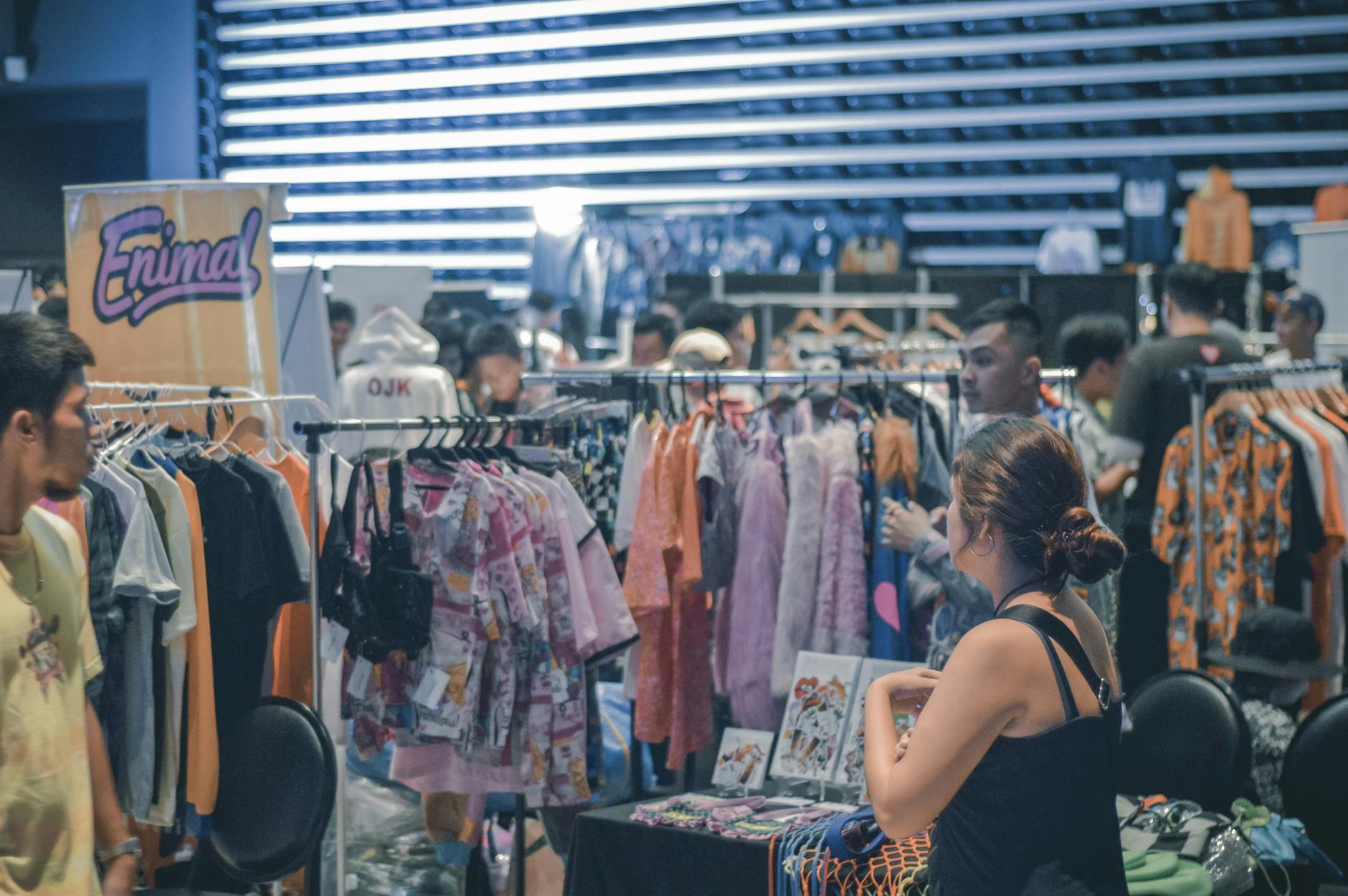
Walking the floor of a home show is an experience unlike any other trade event. Whether it’s the Sydney Home Show at Olympic Park, the Melbourne Home & Garden Show, or one of the dozens of regional expos popping up across Perth, Brisbane, and Adelaide each year, these events attract genuinely motivated buyers — people actively planning renovations, builds, or interior upgrades. For exhibitors, that makes home shows one of the highest-value lead generation environments available. And that’s exactly why custom event merchandise for home shows deserves a strategy that goes well beyond a pile of cheap pens on the front corner of your stand. The right branded product can turn a five-minute conversation into a lasting brand impression that sits on someone’s kitchen bench for the next three years.
Why Home Show Merchandise Is Different From General Trade Show Swag
Home shows attract a very specific kind of attendee. These aren’t passive industry professionals collecting lanyards for the free USB drive inside. They’re homeowners, property investors, renovators, interior designers, and first-home buyers with genuine purchase intent and real budgets. That changes how you should think about merchandise entirely.
At a standard B2B trade show or conference, practical and functional items like branded pens, notepads, and lanyards do the job. At a home show, the audience has a higher emotional investment in what they’re doing — they’re building their dream home, renovating their bathroom, or finally sorting out the backyard. Merchandise that speaks to that lifestyle resonates far more deeply than generic freebies.
Consider this: a Sydney bathroom renovation company attending a home show might hand out branded measuring tape keyrings. That product lives in a kitchen drawer for years, potentially being used every time the recipient measures up a space or hangs a picture. That’s brand recall without any additional marketing spend. This is what understanding what merchandise actually is can help clarify — branded items function as portable, persistent advertising assets.
The other key difference is that home show attendees often carry bags. They’re there to collect brochures, samples, and product information. Your merchandise needs to either be bag-worthy (useful enough to pocket) or stand-out enough to be carried in hand.
Choosing the Right Custom Event Merchandise for Home Shows
Practical Products That Connect With the Home Lifestyle
The golden rule of home show merchandise is relevance. Products that connect to the home, renovation, interior design, or lifestyle space perform significantly better than generic giveaways.
Here are some product categories that consistently perform well at home shows:
Branded Tote Bags — Perfect for home shows because attendees are already collecting materials. A quality canvas or non-woven tote with a clean logo print turns your exhibitor stand into a walking billboard across the entire event floor. MOQs typically start at 50–100 units, and screen printing or heat transfer both work well on fabric bags.
Custom Drinkware — Keep cups, reusable water bottles, and insulated tumblers are some of the highest-retention promotional products in Australia. Research consistently supports the strong ROI data behind promotional drinkware, which makes them particularly smart choices for home show stands with a slightly higher per-unit budget.
Branded Notebooks and Stationery — Home show attendees take notes. They’re jotting down product codes, measurements, quotes, and contact details. A quality branded notebook is immediately relevant and genuinely useful. Pair it with a branded pen for a compact gift set that feels considered rather than throwaway.
Measuring Tape Keyrings — These are almost perfectly designed for the home show context. Small enough to hand out freely, useful enough to keep, and thematically spot-on for a building, renovation, or trade business.
Eco-Friendly Product Ranges — Australian consumers increasingly respond positively to sustainable materials. Bamboo utensil sets, recycled material pens, or seed paper products all align well with the home and garden audience. They also communicate values that are particularly relevant to brands in the home improvement space.
Apparel and Wearables for Stand Staff and Competitions
Custom apparel serves two purposes at home shows: it presents your team professionally and it can function as a prize or competition giveaway.
For stand staff, branded polos, custom t-shirts, and even hi-vis workwear (for trade and building businesses) create an immediately professional impression. The decoration method matters here — embroidery or screen printing should be selected based on the garment type and your logo’s complexity. Embroidery elevates workwear and polos, while screen printing on personalised t-shirts tends to suit casual and promotional applications.
For competitions and prize packs, consider branded team varsity jackets or premium apparel items. These feel aspirational and generate social media content opportunities when winners post about their prizes.
Budgeting and MOQs: What to Expect
One of the most common questions from businesses preparing for a home show is: “How much should I spend on merchandise per visitor?” The honest answer is that it depends entirely on your conversion goals and margin per customer.
A general framework that works well:
- Entry-level giveaways ($1–$3 per unit): Branded pens, keyrings, seed packets, stickers. Suitable for high-volume handouts to all stand visitors. MOQs for these products often start at 50–250 units.
- Mid-tier items ($4–$10 per unit): Branded notebooks, reusable bags, USB drives. Hand these to visitors who engage meaningfully with your team. Promotional USB flash drives loaded with your catalogue or project portfolio can be especially effective in this range.
- Premium items ($15–$50+ per unit): Insulated drinkware, solar power banks, quality branded apparel. Reserve these for warm leads, signed contracts, or competition prizes.
Tiering your merchandise like this ensures budget is allocated where it delivers the most return. A Brisbane kitchen design firm, for example, might hand out branded measuring tape keyrings to all visitors, notebooks to people who book a consultation, and a premium keep cup to clients who sign at the event.
Working With Suppliers: Timelines, Artwork, and Setup
Sourcing custom event merchandise for home shows requires planning. Unlike off-the-shelf purchases, custom-branded products involve production lead times that can range from 5 business days (for rush orders) to 4–6 weeks for complex decoration or larger orders.
Key timelines to keep in mind:
- Standard orders: Allow 2–3 weeks from artwork approval to delivery
- Rush orders: Some suppliers offer 5–7 business day turnaround, often with a premium
- Setup fees: Most decoration methods (screen printing, embroidery, pad printing) carry a one-time setup or origination fee — budget $30–$80 per colour or position
- Sample requests: If ordering premium items for the first time, request pre-production samples
Understanding current manufacturing trends and whether your supplier sources onshore or offshore is also worth considering, particularly if turnaround times are critical or you have specific quality expectations.
For businesses in Western Australia, working with Perth-based promotional product suppliers can significantly reduce freight times and costs — a genuine advantage when you’re dealing with event deadlines.
Artwork requirements are another area where preparation pays off. Most suppliers require vector files (AI, EPS, or high-resolution PDF) for crisp reproduction. If your logo only exists as a low-resolution JPEG, get a vector version created before you start requesting quotes — it will save time and potential artwork fees down the track.
Adding a Premium Touch: Gift Sets and Thoughtful Packaging
Home shows often attract higher-net-worth attendees than other trade events. Homeowners planning significant renovations, new builds, or luxury interior upgrades may respond better to a considered gift set than a single item in a branded bag.
Putting together a simple gift set — a branded keep cup, a pocket notebook, and a pen — presented in a branded box or wrap creates a gifting experience that communicates quality. This approach is well-aligned with personalised corporate gift strategies and can be adapted for the consumer-facing context of a home show.
Businesses in premium market segments — luxury home builders, bespoke kitchen designers, high-end real estate developers — should look at gift-set formats rather than individual giveaways. The perception of thoughtfulness and quality transfers directly to how visitors perceive the brand.
For team or reseller contexts, exploring premium corporate gift options can also offer inspiration for how presentation and product quality interact to create lasting impressions.
Merchandise Ideas Specific to Home Show Industries
Different exhibitor types attending home shows have specific merchandise opportunities:
- Builders and trade businesses: Branded measuring tape keyrings, hi-vis tote bags, stationery sets, USB drives with project portfolios
- Interior designers and décor brands: Branded cosmetic or organisational pouches (see our guide to promotional cosmetic bags), colour swatches, seed paper cards, lifestyle notebooks
- Kitchen and appliance brands: Keep cups, branded salt and pepper sets, quality tote bags, recipe notebooks
- Landscaping and garden businesses: Seed packets, bamboo products, branded garden tools, eco tote bags
- Mortgage brokers and real estate services: Personalised beach towels or lifestyle products work well as competition prizes; pens and notepads for everyday handouts
The more your merchandise connects to your specific service category, the more likely it is to be retained and associated with your brand when the attendee needs your services.
Key Takeaways
Getting your custom event merchandise for home shows right is about strategy, relevance, and quality — not just volume. Here’s what to carry forward:
- Match your products to the audience: Home show attendees are lifestyle-focused and have genuine purchase intent — merchandise that reflects the home and renovation context performs significantly better than generic giveaways
- Tier your budget: Use low-cost items for broad handouts, mid-tier products for engaged visitors, and premium items for warm leads or prizes
- Plan your lead times: Order at least 3–4 weeks before the event to allow for production, artwork approval, and freight — rush orders are possible but cost more
- Consider packaging and presentation: Gift sets and quality presentation elevate brand perception, particularly for businesses targeting premium home market segments
- Supplier selection matters: Work with suppliers who understand event timelines, offer vector artwork support, and can provide samples before full production runs
- Relevance is everything: Whether you’re a builder handing out measuring tape keyrings or a kitchen brand gifting keep cups, products that make sense for your category will always outperform generic alternatives