
Personalised Lunchboxes as Promotional Products: The Complete Sourcing Guide for Australian Businesses
Discover how to source personalised lunchboxes as branded merchandise in Australia — tips on decoration, MOQs, suppliers, and more.

Written by
Charlie Kim
Bags & Totes
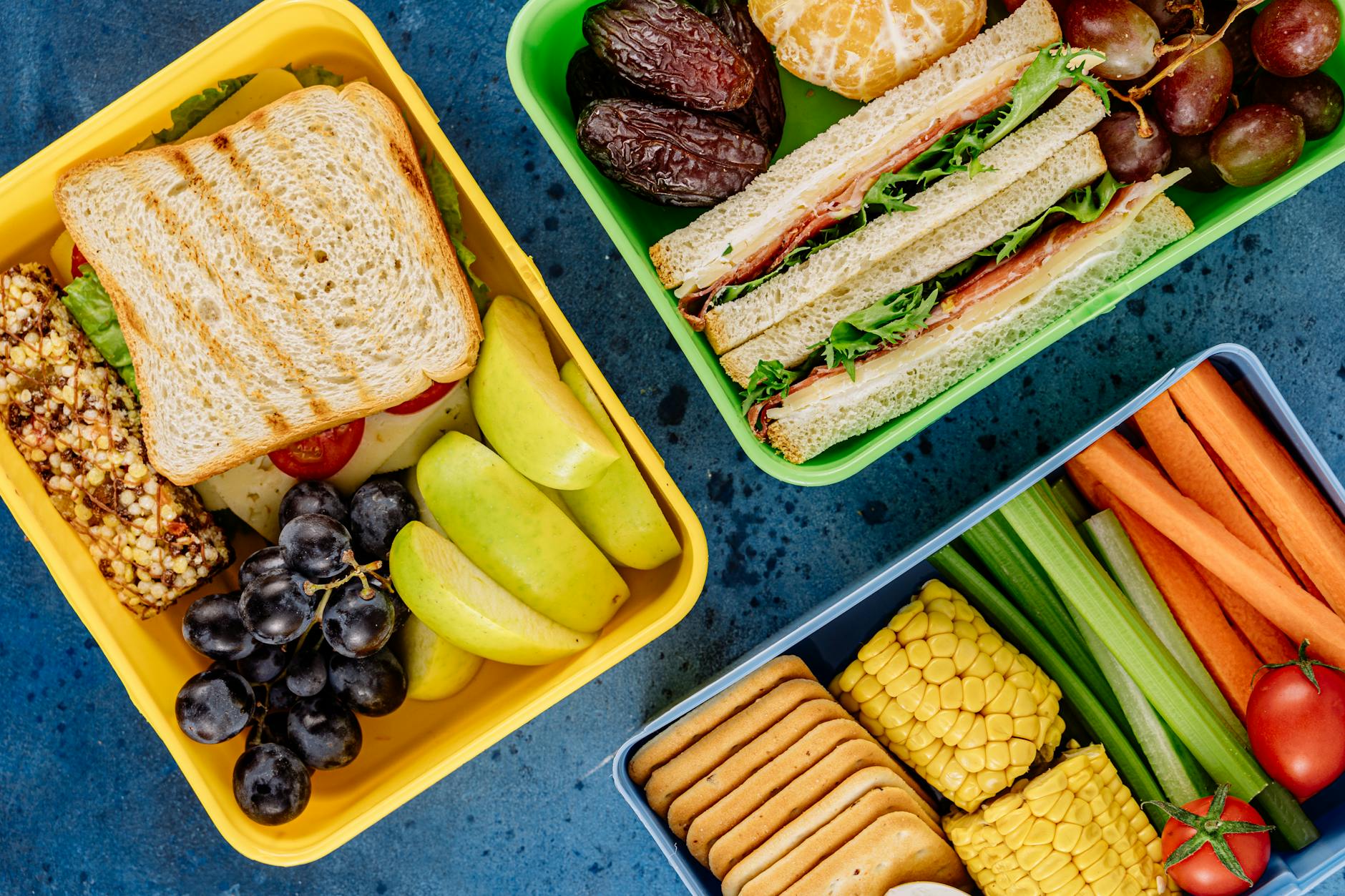
Choosing the right promotional product can feel like searching for a needle in a haystack, especially when you want something genuinely useful that recipients will reach for day after day. A lunchbox personalised with your brand is exactly that kind of product — practical, visible, and appreciated across nearly every demographic. Whether you’re a marketing agency sourcing branded merchandise for a corporate client, a reseller looking to expand your product catalogue, or a business preparing for a major staff or customer gifting campaign, personalised lunchboxes deserve serious consideration. This guide covers everything you need to know about sourcing, decorating, and ordering branded lunchboxes in Australia.
Why a Personalised Lunchbox Works as a Promotional Product
The promotional products industry is built on one central idea: keep your brand front-of-mind with items people actually use. Lunchboxes sit comfortably in that sweet spot. Think about it — a well-made, branded lunchbox is used multiple times a week, often for years. That’s repeated brand exposure at an impressively low cost-per-impression.
Compare that to a branded pen or a cheap novelty item that ends up in a drawer after a week, and the value proposition of a personalised lunchbox becomes very clear. They’re particularly effective for:
- Corporate gifting to employees or clients
- School and education sector campaigns (think student welcome packs or fundraising merchandise)
- Health and wellness promotions (encouraging nutritious eating habits aligns well with brand values)
- Real estate agencies as a premium settlement gift
- Trade shows and expos in Sydney, Melbourne, and Brisbane where brands want to stand out from the standard pen-and-notepad combo
For resellers, lunchboxes also offer strong margin potential. Because they’re a premium category item, clients are often willing to pay more for quality, which means you can source well and still price competitively.
Understanding the Lunchbox Market: Product Types and Materials
Before you dive into placing an order, it’s worth understanding what’s actually available in the Australian promotional products market. Not all lunchboxes are created equal, and the right choice depends heavily on your client’s audience and use case.
Insulated Lunch Bags and Cooler Bags
These are among the most popular formats. Insulated lunch bags — often constructed from PEVA or foil lining with a fabric or neoprene exterior — keep food cool for several hours. They’re lightweight, easy to carry, and available in a huge range of styles. A Melbourne corporate client looking to gift something to hybrid workers might lean toward a sleek, minimalist insulated lunch bag that fits neatly in a backpack alongside a laptop.
Hard-Shell Lunchboxes
Typically made from BPA-free plastic or stainless steel, hard-shell lunchboxes offer a more structured, durable option. They’re popular with parents buying for school-aged children, but they’ve also found a place in workplace wellness campaigns. A Brisbane logistics company, for example, might choose a branded stainless steel lunchbox as part of a health and wellbeing initiative for their field teams.
Bento-Style Boxes
Bento boxes — with compartments for different food types — have surged in popularity. They communicate a thoughtful, health-conscious brand image and photograph beautifully for social media gifting campaigns. Resellers targeting clients in the healthcare, fitness, or wellness space should keep these firmly on the radar.
Eco-Friendly Lunchboxes
Sustainability is no longer a nice-to-have — it’s expected. Bamboo fibre, wheat straw composite, and recycled plastic lunchboxes are increasingly available through Australian promotional product suppliers. If your client is a government department in Canberra, a not-for-profit, or a business with formal sustainability commitments, an eco-friendly lunchbox could be the obvious choice. This pairs beautifully with other sustainable merchandise in a broader branding and corporate gifts strategy.
Decoration Methods for a Lunchbox Personalised with Your Brand
How you apply a logo or design to a lunchbox matters just as much as the product itself. Different materials suit different decoration methods, and understanding this upfront will save you time and prevent costly reprints.
Pad Printing
Pad printing is the most common method for hard plastic surfaces. It produces clean, precise results and is well-suited to single-colour or limited-colour logo applications. Setup fees are generally affordable, and it works across a wide range of lunchbox materials. For straightforward logo placement on a hard-shell box, pad printing is often the go-to recommendation.
Screen Printing
For fabric lunch bags, screen printing delivers vibrant, durable results. It’s particularly effective for bold designs with solid colours. Keep in mind that screen printing typically involves a setup cost per colour, so designs with multiple colours will attract higher setup fees. That said, once set up, it’s very cost-effective at volume.
Embroidery
Some fabric lunch bags — particularly those with a woven or canvas exterior — can be embroidered. Embroidery gives a premium, tactile finish that reads as high-quality and long-lasting. A Perth professional services firm gifting to senior clients might find embroidered branding on a canvas lunch bag more aligned with their positioning than a printed alternative.
Laser Engraving
For stainless steel or hard plastic lunchboxes with a smooth surface, laser engraving is an excellent option. It creates a permanent, chemical-free mark that won’t fade or peel. The finish is clean and professional — particularly striking on brushed stainless steel. Laser engraving is increasingly available for smaller MOQs, making it accessible for boutique or pilot orders.
Heat Transfer and Sublimation
Full-colour, all-over designs are best achieved through sublimation or heat transfer. If your client wants a detailed pattern, photographic imagery, or a complex branded design across the entire surface of a lunch bag, sublimation is the method to explore. Note that sublimation works best on polyester-based fabrics, so material selection and decoration method need to be considered together from the outset.
Minimum Order Quantities, Turnaround Times, and Budgeting
For marketing agencies managing client expectations, this section is essential reading. Getting the logistics right from the start prevents project delays and awkward conversations down the track.
Minimum Order Quantities (MOQs)
MOQs vary significantly depending on the supplier and product type. In the Australian promotional products market, you can generally expect:
- Pad printed hard-shell lunchboxes: MOQs often start at 50–100 units
- Screen printed fabric lunch bags: typically 50 units minimum, sometimes lower for simpler designs
- Laser engraved stainless steel boxes: some suppliers offer MOQs as low as 25 units
- Sublimation-decorated bags: MOQs can be higher, often 100+ units, due to setup complexity
For resellers working with smaller clients — say, a Gold Coast café wanting 30 branded lunchboxes for a staff gift — it’s worth asking suppliers specifically about low-MOQ options or sample programmes.
Turnaround Times
Standard production turnaround in Australia typically runs 10–15 business days once artwork is approved. Rush orders (5–7 business days) are available from some suppliers but usually attract an additional fee. Importing direct from overseas manufacturers can reduce unit cost significantly but extends lead times to 6–10 weeks or more, which needs to be factored into project planning.
If you’re sourcing for an event with a firm deadline — say, a national conference in Adelaide — always build in buffer time and confirm production timelines in writing before the order is placed.
Budget Considerations
The cost of a personalised lunchbox varies widely by product quality, material, and decoration method. As a rough guide for the Australian market:
- Entry-level fabric lunch bags: $8–$15 per unit at volume
- Mid-range insulated lunch bags: $15–$30 per unit
- Premium stainless steel or bento-style boxes: $25–$60+ per unit
These figures don’t include setup fees or freight. Setup fees for screen printing or pad printing typically range from $50–$150 per colour, per position.
Pairing a Personalised Lunchbox with Complementary Merchandise
A lunchbox works brilliantly as a standalone gift, but it becomes even more impactful when bundled with complementary products. Think about what naturally accompanies a lunchbox in daily use. A quality sipper cup or branded drink bottle is the most natural pairing — together they form a complete, functional “lunchtime kit” that recipients will genuinely appreciate and use daily.
For higher-value gifting campaigns — say, a Sydney financial services firm onboarding new senior hires — consider building a curated branded merchandise pack that includes the lunchbox, a drinkware item, and perhaps a branded notebook or custom keyring. The lunchbox becomes the hero piece that elevates the entire bundle.
For corporate clients in more casual or outdoor industries, pairing a personalised lunchbox with men’s golf shirts or workwear for a uniform package creates a cohesive, coordinated brand presence across every touchpoint.
Tips for Resellers and Marketing Agencies Sourcing Personalised Lunchboxes
If you’re sourcing on behalf of clients, a few practical tips will help the process run smoothly:
- Always request a physical sample before committing to a full order, particularly if it’s a new supplier. Colours, material quality, and zip functionality can vary significantly between product images and actual stock.
- Confirm artwork requirements early. Most suppliers require vector files (AI or EPS format) for logo reproduction. If your client only has a low-resolution JPEG, you’ll need time to arrange artwork recreation.
- Check for food-safe certifications if the lunchbox will be in direct contact with food. BPA-free labelling and food-grade certifications matter, especially if your client is in the health or education sector.
- Discuss packaging options. A personalised lunchbox arriving in a plain brown box loses some of its gifting impact. Ask suppliers about gift-ready packaging, tissue wrapping, or custom-printed boxes — particularly for client or executive gifting campaigns.
- Keep sustainability in mind. Clients increasingly want to know the environmental credentials of their branded merchandise. Ask suppliers about material sourcing, carbon offsetting, and whether the product is made from recycled or renewable materials.
Conclusion: Key Takeaways for Sourcing a Lunchbox Personalised with Your Brand
A personalised lunchbox is one of the most practical, high-visibility promotional products available in the Australian market in 2026. Done well, it builds genuine brand affinity through daily use and communicates that your client’s brand values quality and thoughtfulness.
Here are the key points to carry forward:
- Choose the right product format — insulated bag, hard-shell, bento, or eco-friendly — based on your client’s audience and brand positioning
- Match the decoration method to the material: pad printing for hard plastic, screen printing or embroidery for fabric, laser engraving for metal
- Plan ahead for MOQs and lead times — especially for events with firm deadlines in cities like Brisbane, Sydney, or Perth
- Bundle strategically — pairing a personalised lunchbox with complementary drinkware or stationery creates a more memorable gift experience
- Request samples and confirm artwork specs upfront to avoid surprises during production and ensure the finished product reflects your client’s brand accurately
With the right sourcing approach, a lunchbox personalised with your client’s logo can become a standout piece in any branded merchandise programme — useful, valued, and seen every single day.