
How to Print Water Bottles for Promotional Use: The Complete Australian Guide
Discover how to print water bottles for promotions in Australia — decoration methods, MOQs, costs, and supplier tips for businesses and resellers.

Written by
Theo Rodriguez
Drinkware
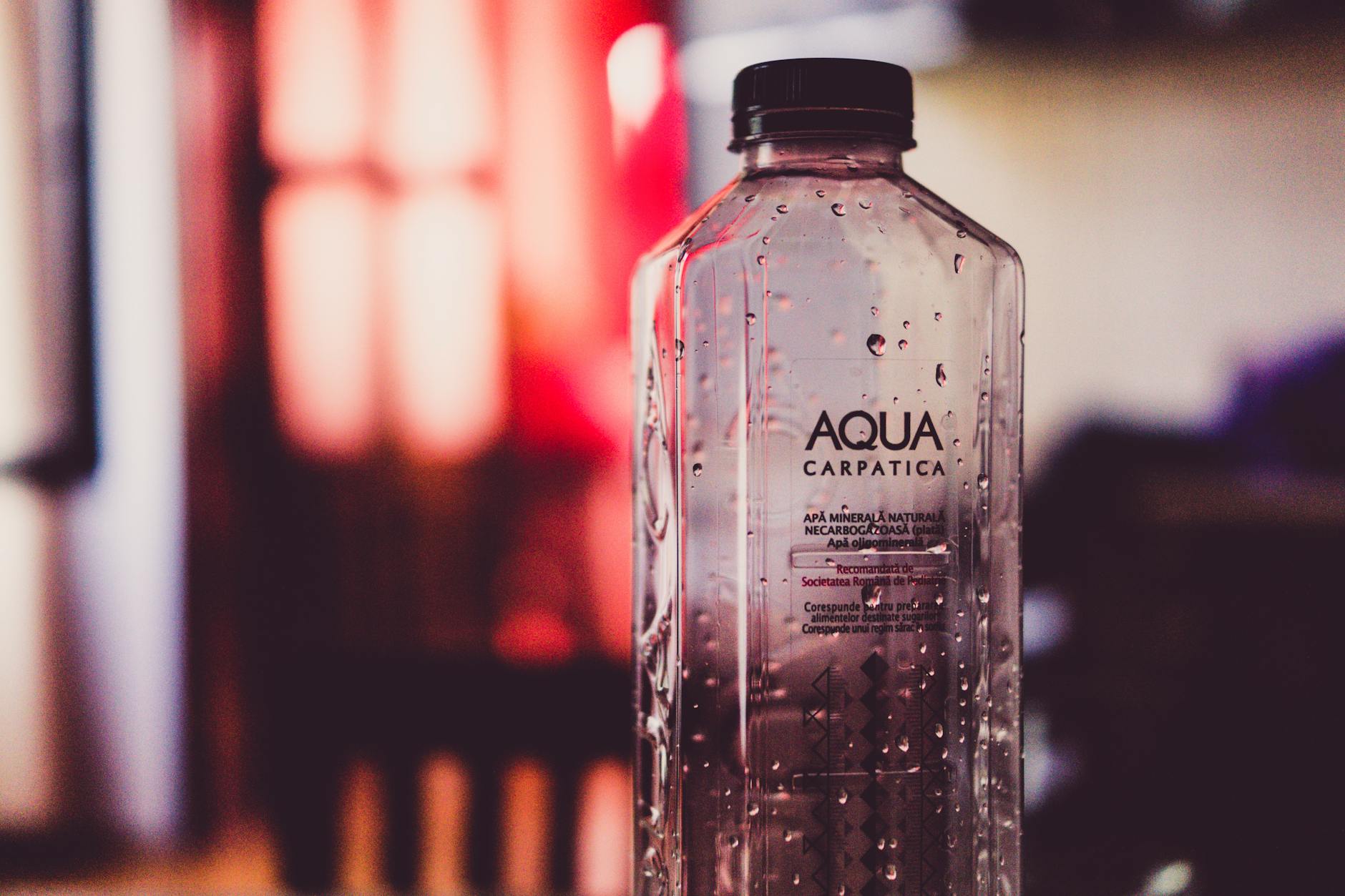
Choosing the right approach to print water bottles for your clients or brand campaigns can feel overwhelming when you’re juggling decoration method options, material types, minimum order quantities, and turnaround expectations all at once. Whether you’re a marketing agency sourcing branded drinkware for a Sydney corporate client, a reseller building out your product catalogue, or a business preparing for a major conference on the Gold Coast, getting this decision right matters — not just for your brand impression, but for your bottom line. This guide walks you through everything you need to know about printing water bottles in Australia, from decoration techniques and material choices through to practical ordering advice that saves you time and money.
Why Printed Water Bottles Are One of Australia’s Most Popular Promotional Products
Walk into any tradeshow in Melbourne, any school sports day in Brisbane, or any charity fun run in Adelaide, and you’ll spot them immediately — branded water bottles carrying logos, slogans, and full-colour artwork. There’s a reason drinkware consistently sits at the top of promotional product performance lists.
According to data covered in our analysis of promotional products industry statistics, drinkware ranks among the highest-performing product categories for brand recall and repeated daily use. A quality water bottle gets used multiple times a day, travels to the gym, the office, school drop-off, and weekend markets — generating thousands of brand impressions over its lifespan at a fraction of the cost of traditional advertising.
Beyond visibility, there’s a strong functional and emotional case for branded water bottles. Australians are increasingly conscious of hydration, sustainability, and reducing single-use plastics. Giving someone a reusable, well-made water bottle with your brand on it isn’t just promotional — it’s genuinely useful and increasingly appreciated.
For a deeper look at how drinkware stacks up against other categories in terms of return on investment, our promotional drinkware ROI data for Australian businesses offers detailed insights worth reviewing before you commit your budget.
Understanding Your Options: Materials and Bottle Types
Before you even think about decoration, you need to select the right product. The material you choose will directly influence which printing methods are available to you.
Stainless Steel Bottles
Double-walled vacuum-insulated stainless steel bottles have dominated the premium drinkware market in recent years. Brands across Canberra’s government sector, Perth’s mining industry, and Melbourne’s corporate CBD all reach for stainless steel when they want to make a lasting impression. These bottles keep liquids cold for up to 24 hours and hot for 12, making them genuinely functional gifts that recipients keep and use.
Decoration options for stainless steel are wide-ranging. Laser engraving produces a sophisticated, permanent finish that won’t chip or fade — ideal for premium corporate applications. Pad printing works well for detailed logos with specific spot colours, and sublimation wraps are possible on powder-coated stainless steel for vibrant full-colour artwork.
BPA-Free Plastic Bottles
Plastic drink bottles remain the workhouse of event merchandise, particularly for schools, sporting clubs, and large-scale promotional campaigns where budget is the primary constraint. MOQs tend to be lower, unit costs are significantly more accessible, and they come in a broad range of shapes, colours, and sizes.
Screen printing and pad printing are the dominant decoration methods for plastic bottles. Our detailed guide to pad printing on custom water bottles in Australia covers exactly what to expect from this technique — including colour limitations, file requirements, and typical turnaround times.
Glass Bottles
Glass is the premium sustainable choice, favoured by health and wellness brands, boutique food businesses, and organisations wanting to communicate transparency and purity. The decoration challenge with glass is obvious — it’s fragile — but the impression it leaves is hard to match. Screen printing onto glass produces clean, professional results with strong colour vibrancy.
Aluminium Bottles
Lightweight and easily recyclable, aluminium bottles are gaining traction among environmentally focused campaigns. They accept screen printing and pad printing well, and some suppliers offer digital printing options for shorter runs.
How to Print Water Bottles: Decoration Methods Explained
This is where many buyers get confused, so let’s break it down clearly.
Screen Printing
Screen printing is the most commonly used decoration method for mass-produced water bottles. It produces vibrant, durable results and is particularly cost-effective when you’re ordering in volume. Each colour in your artwork requires its own screen and setup, which means there are typically per-colour setup fees. For bold logos and simple designs, screen printing is hard to beat. For artwork with gradients or photographic elements, other methods may be better suited.
If you’re newer to decoration methods, our guide to screen printing for promotional products is a great starting point before you brief your supplier.
Pad Printing
Pad printing transfers ink from a silicone pad onto curved or irregular surfaces — making it particularly well-suited to water bottles with contoured shapes. It’s precise, handles fine detail well, and works across multiple materials. Typical MOQs for pad-printed water bottles in Australia range from 50 to 250 units depending on the supplier.
Laser Engraving
Predominantly used on stainless steel and aluminium, laser engraving removes the surface material to reveal the metal beneath, creating a permanent, debossed-style mark. There’s no ink involved, which means zero fading over time — a key advantage for premium gifting applications. Setup costs are often lower than print methods, and the per-unit cost reflects the craftsmanship involved.
Sublimation Printing
Full-colour sublimation printing allows for photographic-quality artwork wrapped around the entire bottle surface. It’s ideal for detailed, colourful designs and works best on powder-coated stainless steel or specially coated aluminium. Sublimation is particularly popular for sports clubs, events, and campaigns where visual impact is the priority. Minimum orders are often slightly higher due to the setup complexity.
Digital Printing
UV digital printing is an emerging option that allows very short runs — sometimes as few as 25 units — with full-colour results. It’s useful for prototyping, sample runs, or campaigns where multiple versions of artwork need to be produced without the setup costs of screen printing.
Artwork Preparation: What You Need Before You Order
Getting your artwork right upfront saves you time, revision rounds, and sometimes money. Most reputable suppliers in Australia require vector files (typically .ai, .eps, or .pdf) for print methods like screen printing and pad printing. For sublimation and digital printing, high-resolution raster files may also be accepted.
Key artwork considerations include:
- PMS colour matching: If brand colour accuracy matters, provide Pantone references. Without them, suppliers will match as closely as possible to their standard ink range, which may differ from your brand guidelines.
- Safe zones and wrap dimensions: Ask your supplier for a template specific to the bottle model you’ve selected. Every bottle has different printable areas, and artwork that looks great on screen can miss the mark if it’s not formatted for the actual product dimensions.
- Separation files: For screen printing, your artwork needs to be broken into separate colour layers. If you’re supplying a marketing agency’s composite logo, ensure it’s properly prepared or ask your supplier if they offer artwork setup services (many do, sometimes for an additional fee).
MOQs, Turnaround Times, and Budget Planning
Understanding what to expect operationally helps you manage client expectations and project timelines effectively.
Minimum Order Quantities: MOQs for printed water bottles in Australia typically start at 25–50 units for digital or simple pad print methods and rise to 100–250 units for screen printing and sublimation. Premium stainless steel bottles with laser engraving often have MOQs around 50 units.
Turnaround Times: Standard production runs generally take 10–15 business days from artwork approval. Rush orders are available from some suppliers but usually attract a premium. If you’re ordering for a specific event in Darwin, Hobart, or a regional centre, factor in additional freight time.
Budget Planning: For a realistic budget guide:
- Basic BPA-free plastic bottles with a single-colour print: $5–$12 per unit at 100 pieces
- Mid-range powder-coated stainless steel with laser engraving: $15–$28 per unit at 100 pieces
- Premium vacuum-insulated stainless steel with sublimation: $25–$45 per unit at 100 pieces
These are indicative ranges. Actual pricing varies significantly based on supplier, decoration complexity, and quantity. Larger orders attract tiered discounts, so always ask your supplier to provide pricing across multiple quantity breaks.
If you’re working with clients in Western Australia, our guide to promotional product suppliers in Perth can help you identify the right local partners.
Finding the Right Supplier for Your Print Water Bottle Campaign
Not every supplier is equal when it comes to quality control, decoration capability, and reliable delivery. For resellers and agencies, your reputation is on the line, so vetting suppliers carefully is non-negotiable.
When assessing a supplier for printed water bottles, consider:
- Do they offer physical samples before bulk production? Always request a pre-production sample for orders above a certain value.
- What is their artwork proof process? A digital proof approved before production commences is essential. Physical press proofs are ideal for large orders.
- Are they transparent about their manufacturing origins? Our guide to promotional product manufacturing trends — onshore vs offshore explores this issue in depth and helps you ask the right questions.
- Do they stock products locally or import per order? Local stock means faster turnaround; imported products may offer more variety but require longer lead times.
It’s also worth thinking about how printed water bottles complement other items in your campaign. Pairing them with promo cooler bags creates a cohesive outdoor and events package. For corporate gifting campaigns, combining drinkware with personalised corporate gifts such as premium notebooks or tech accessories elevates the overall impression significantly.
Expanding Your Promotional Product Offering Beyond Drinkware
Once you’ve nailed your print water bottle sourcing, it’s worth considering how drinkware fits into a broader merchandise strategy for your clients. Many of the businesses ordering branded water bottles are also great candidates for:
- Branded apparel — our guide to personalised t-shirts in Australia covers everything from school uniforms to event tees
- Tech merchandise like solar power banks that pair beautifully with outdoor or active lifestyle campaigns
- Seasonal gifting collections — explore ideas for Father’s Day branded gifts and Mother’s Day promotional gifts in Australia
- Premium options for clients in Tasmania through our guide to premium corporate gifts in Hobart
Understanding what promotional products actually are — and what makes them effective — is also useful context. Our explainer on what merchandise is and how it works is a helpful reference for anyone newer to the industry.
Key Takeaways
To wrap things up, here are the most important points to carry forward as you plan your next print water bottle campaign:
- Match the material to the audience and budget. Stainless steel for premium corporate, BPA-free plastic for mass events, glass for wellness and boutique brands.
- Choose your decoration method based on your artwork. Simple logos work best with pad printing or screen printing; full-colour wraps need sublimation; prestige applications benefit from laser engraving.
- Get your artwork right before you order. Vector files, PMS references, and supplier-provided templates will save you significant time and revision headaches.
- Request samples and proofs. Never go to bulk production without a confirmed proof, particularly for new supplier relationships or complex artwork.
- Think beyond the single product. Printed water bottles perform best as part of a cohesive merchandise package — pair them with complementary items to maximise campaign impact and client satisfaction.