
Solar Power Banks as Promotional Products: The Complete Australian Sourcing Guide
Discover how to source branded solar power banks for Australian businesses, resellers & agencies. MOQs, decoration tips & supplier insights inside.

Written by
Felix Okafor
Tech & Electronics
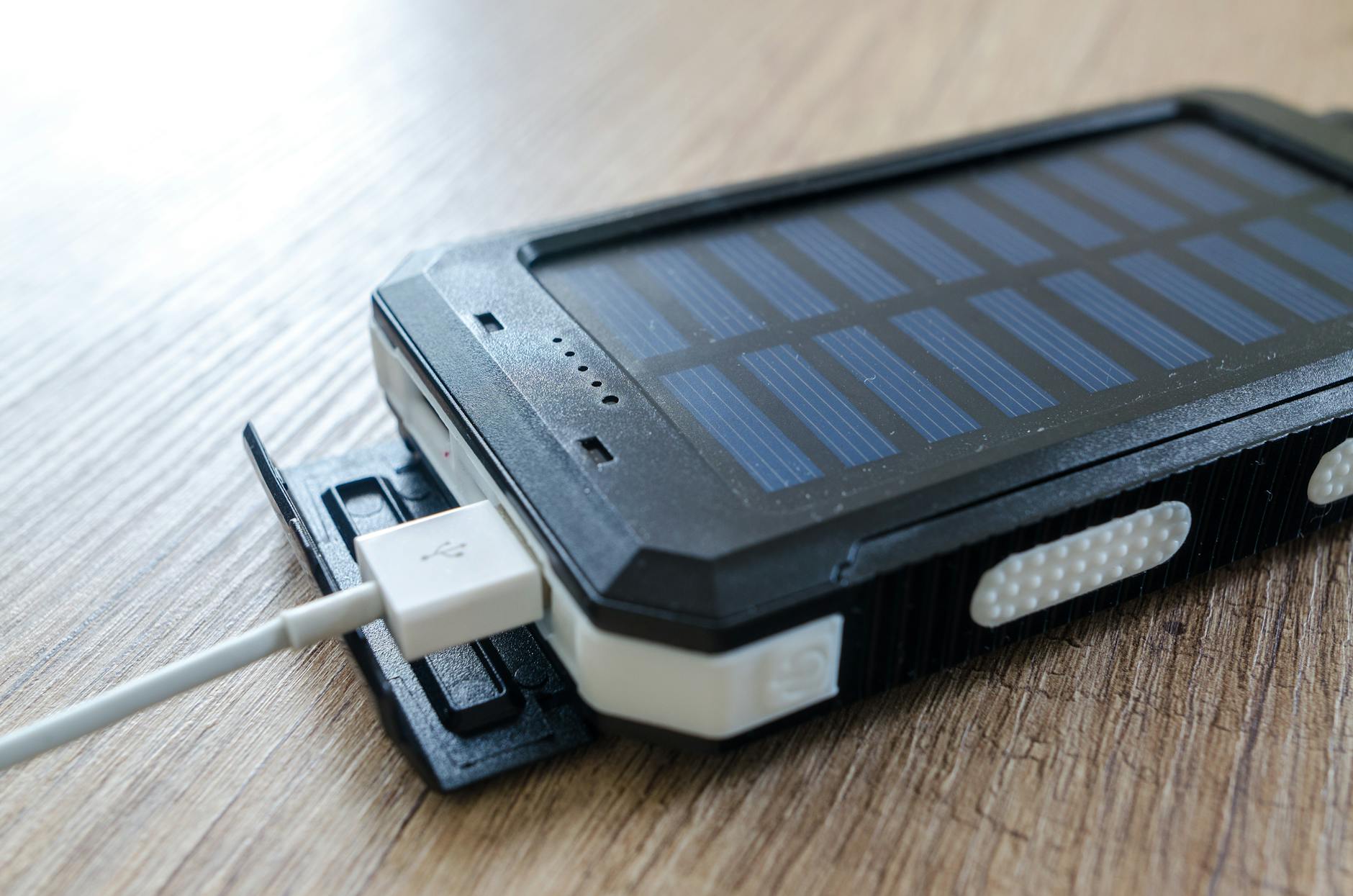
Promotional tech products have always commanded attention on a trade show floor or inside a corporate gift bag — but few items generate as much genuine excitement as a branded solar power bank. Combining the universal appeal of portable charging with the increasingly important signal of environmental responsibility, a solar power bank hits a remarkable sweet spot. It’s functional, visible, and aligned with the values that both Australian consumers and corporate procurement teams care about in 2026. If you’re a reseller, marketing agency, or business buyer trying to source branded solar power banks at scale, this guide covers everything you need to know — from product specifications and decoration options to sourcing strategy and campaign fit.
Why the Solar Power Bank Solar Category Is Growing Fast in Australia
The promotional products industry has tracked a clear and consistent shift toward tech items that serve a genuine daily purpose. Recent promotional products industry data confirms that tech accessories are among the fastest-growing categories in the Australian branded merchandise market, driven by hybrid work, outdoor lifestyle culture, and corporate sustainability commitments.
Solar power banks sit at the intersection of all three trends. Australia’s generous sunshine hours make solar charging genuinely practical — whether a recipient is hiking in the Blue Mountains, commuting in Brisbane, attending an outdoor festival on the Gold Coast, or working a remote site in regional Western Australia. When a brand’s logo appears on a product people actually rely on, the impression value is immeasurable.
For resellers, this category also commands stronger margins than many commodity promotional items. A well-specified solar power bank with a reputable battery cell and quality branding can justify a retail-comparable price point in corporate gifting contexts, making it an attractive upsell from standard USB drives or branded pens.
Understanding How Solar Charging Actually Works on These Products
Before sourcing solar power banks at scale, it’s worth understanding the technology — because your clients will ask.
Most promotional-grade solar power banks use monocrystalline or polycrystalline silicon solar panels integrated into one face of the unit. Under direct sunlight, these panels generate a trickle charge. Realistically, a promotional-spec solar panel will add around 5–15% capacity per hour of full sun, depending on panel size and quality. This means solar is best understood as a supplementary charging method rather than a full replacement for mains charging.
That framing is actually useful for your clients: a solar power bank is an emergency top-up, a conversation starter, and a sustainability signal rolled into one product. It’s not intended to replace a wall charger — and buyers who understand this will set accurate expectations and get the most value from the product.
Capacity ranges for promotional solar power banks typically span from 5,000mAh (enough for a single smartphone charge) up to 20,000mAh or more for premium models. For most corporate gifting applications, 10,000mAh is a strong mid-range choice that balances portability with genuinely useful output.
Key Specifications to Evaluate When Sourcing Solar Power Banks
Not all solar power banks are created equal, and for resellers building a trusted catalogue, product quality directly affects client retention. Here’s what to assess before committing to a supplier.
Battery Cell Quality
Battery cell origin and chemistry matter significantly. Look for suppliers who can confirm the cell type (lithium polymer or lithium ion) and provide documentation around safety certifications. In Australia, all rechargeable lithium battery products imported for commercial sale should comply with relevant Standards Australia requirements. Ask your supplier for certification documentation and check that units are safe for air freight if your clients are likely to distribute them to interstate staff or conference delegates.
Solar Panel Efficiency
Panel efficiency is expressed as a percentage — higher is better. Promotional-grade units commonly range from 15–22% efficiency. While you won’t always see this figure in supplier catalogues, it’s worth requesting from your account manager. Units with multiple small panel segments are often more decoratively flexible but may sacrifice efficiency compared to a single large panel.
Output Ports and Compatibility
Modern recipients expect at least one USB-A port, and increasingly a USB-C port for newer devices. Wireless charging compatibility is a premium differentiator worth highlighting to clients in the tech sector or those sourcing gifts for senior staff. Check output wattage — a minimum of 10W output ensures reasonable charging speeds.
Durability and Casing
Promotional solar power banks are often taken outdoors, so rubberised casing, splash resistance, and a built-in LED torch (a common feature) all add perceived and practical value. A carabiner clip or loop attachment point increases portability and keeps the unit visible when clipped to a backpack — excellent for brand exposure at outdoor events.
Decoration Methods for Branded Solar Power Banks
Getting your client’s logo onto a solar power bank requires the right decoration method for the available print area and desired finish. The most common options in this category are laser engraving and pad printing.
Laser engraving works beautifully on aluminium-cased units and produces a premium, permanent result that won’t fade or scratch off. It’s a one-colour method by nature, so it suits logos with clean lines rather than full-colour designs. This is the preferred choice for corporate gifting contexts — similar to how pad printing on custom water bottles achieves a sophisticated single-colour finish on drinkware.
Pad printing is well-suited to plastic-cased units and allows for more colour flexibility at a lower cost. It’s the most common method for promotional-tier solar power banks and produces solid results when artwork is supplied correctly — typically as a vector file with Pantone colour references.
Digital printing or UV printing is available from some suppliers and allows full-colour photographic artwork, though it’s less common and commands a price premium. For a campaign where branding needs to be bold and colourful, this option is worth exploring. Understanding how screen printing and similar methods differ can help you have more confident conversations with clients about their decoration choices.
Print areas on solar power banks are typically located on the front face (often alongside or framing the solar panel), on the reverse, or on the side edges. Standard print areas range from 40mm x 40mm to 80mm x 50mm depending on the unit size.
MOQs, Lead Times and Budget Ranges
For resellers and agencies managing client timelines, understanding the practical parameters of solar power bank orders is essential.
Minimum order quantities (MOQs) in this category typically sit between 25 and 100 units, depending on the supplier and specification tier. Basic promotional models may have lower MOQs of 25–50 units, while custom-spec or premium units may require 100 units or more.
Lead times from offshore manufacturing — the dominant sourcing model for this category — generally run 3–5 weeks for standard production, plus freight time. If your client needs product in Sydney or Melbourne within two weeks, you’ll need to discuss locally held stock options or pre-decorated blank inventory, which some suppliers maintain in Australian warehouses. Always factor in the considerations around onshore versus offshore manufacturing when advising clients on timelines.
Pricing varies considerably. Entry-level solar power banks (5,000mAh, basic panel, pad print) might land in the $18–$28 per unit range at typical MOQ levels. Mid-range units with 10,000mAh capacity and laser engraving sit closer to $35–$60 per unit. Premium wireless charging models with high-efficiency solar panels can exceed $80–$100 per unit at lower quantities.
For resellers calculating sell prices, this category supports healthy margins, particularly when positioned as a premium corporate gift — similar in strategy to how personalised corporate gifts in Australia are priced at a value-reflective level rather than competing on price alone.
Campaign and Distribution Contexts That Work Well
The solar power bank solar category performs exceptionally well across a range of use cases. Knowing how to match product to context is a key part of advising clients effectively.
Outdoor and active events are a natural fit. Whether it’s a charity fun run in Adelaide, a surf festival on the Gold Coast, or a corporate team-building day in the Yarra Valley, a solar power bank is genuinely useful. Staff and participants immediately understand the product’s value, which reinforces the sponsor’s brand association.
Technology and innovation-focused events are another strong match. Solar power banks resonate with audiences at hackathons and tech expos — check out how branded products work at hackathons in Australia for context on the mindset of this audience.
University orientation weeks and open days are an excellent channel for solar power banks, particularly for institutions wanting to project a modern, sustainability-conscious image. We’ve covered how event merchandise works for orientation weeks in Brisbane and open days in Melbourne in detail if you’re working with education sector clients.
Father’s Day corporate gifting is a surprisingly effective seasonal context — a solar power bank makes an excellent choice in the branded Father’s Day gifts for suppliers category, given its appeal to outdoor and adventure-minded recipients.
Webinar and virtual event promotions are an unconventional but effective use case when organisers want to create a tangible post-event touchpoint. Sending a quality solar power bank as a post-event gift reinforces engagement long after the screen closes — something we explore in our coverage of event swag for webinar promotions in Australia.
For resellers in Western Australia working with resources, mining, or outdoor sector clients, the solar power bank is a near-perfect fit given the environmental context — it’s worth reviewing promotional product suppliers for Western Australia to understand the local sourcing landscape.
For clients sourcing premium corporate gifts in Hobart or other markets where environmental credentials carry weight, a solar power bank with quality branding and sustainable packaging is an excellent recommendation.
Pairing Solar Power Banks With Complementary Products
Smart resellers don’t just sell a single product — they propose cohesive gift packs or campaign bundles. A solar power bank pairs naturally with:
- A branded tote bag or backpack to carry it
- A custom keep cup or reusable water bottle to reinforce sustainability messaging
- A branded notebook and pen set for conference or workshop contexts
- Promotional USB flash drives for clients who still value physical data distribution alongside charging capability
Combining categories lifts average order values and creates a more memorable experience for the end recipient — which is ultimately what drives repeat business for resellers. The promotional drinkware ROI data for Australia offers useful supporting evidence if you need to build a business case around complementary products.
Conclusion: Key Takeaways for Resellers Sourcing Branded Solar Power Banks
The solar power bank solar category offers genuine value for resellers, marketing agencies, and business buyers who take the time to source thoughtfully. As the Australian market continues to reward brands that demonstrate real sustainability commitment alongside practical utility, this product category is well-positioned for continued growth.
Here are the key points to carry forward:
- Spec carefully before buying: Battery capacity, cell quality, output ports, and safety certifications all directly affect client satisfaction — don’t source on price alone.
- Match decoration to casing material: Laser engraving suits aluminium cases for a premium corporate finish; pad printing is effective and cost-efficient on plastic units.
- Set accurate expectations around solar charging: Solar supplements mains charging rather than replacing it — frame this correctly for clients from the start.
- Plan for lead times: Offshore production typically needs 3–5 weeks plus freight; check for locally held stock if timelines are tight.
- Think contextually: Solar power banks perform best when matched to audiences and events that align with outdoor activity, technology, or sustainability values — this is where they command both attention and genuine appreciation.