
Christmas Advent Calendars as Branded Promotional Products: A Complete Guide for Australian Businesses
Discover how to source branded Christmas advent calendars for Australian businesses, resellers & agencies. Tips on products, suppliers & budgets.

Written by
Harry Santos
Seasonal & Holiday
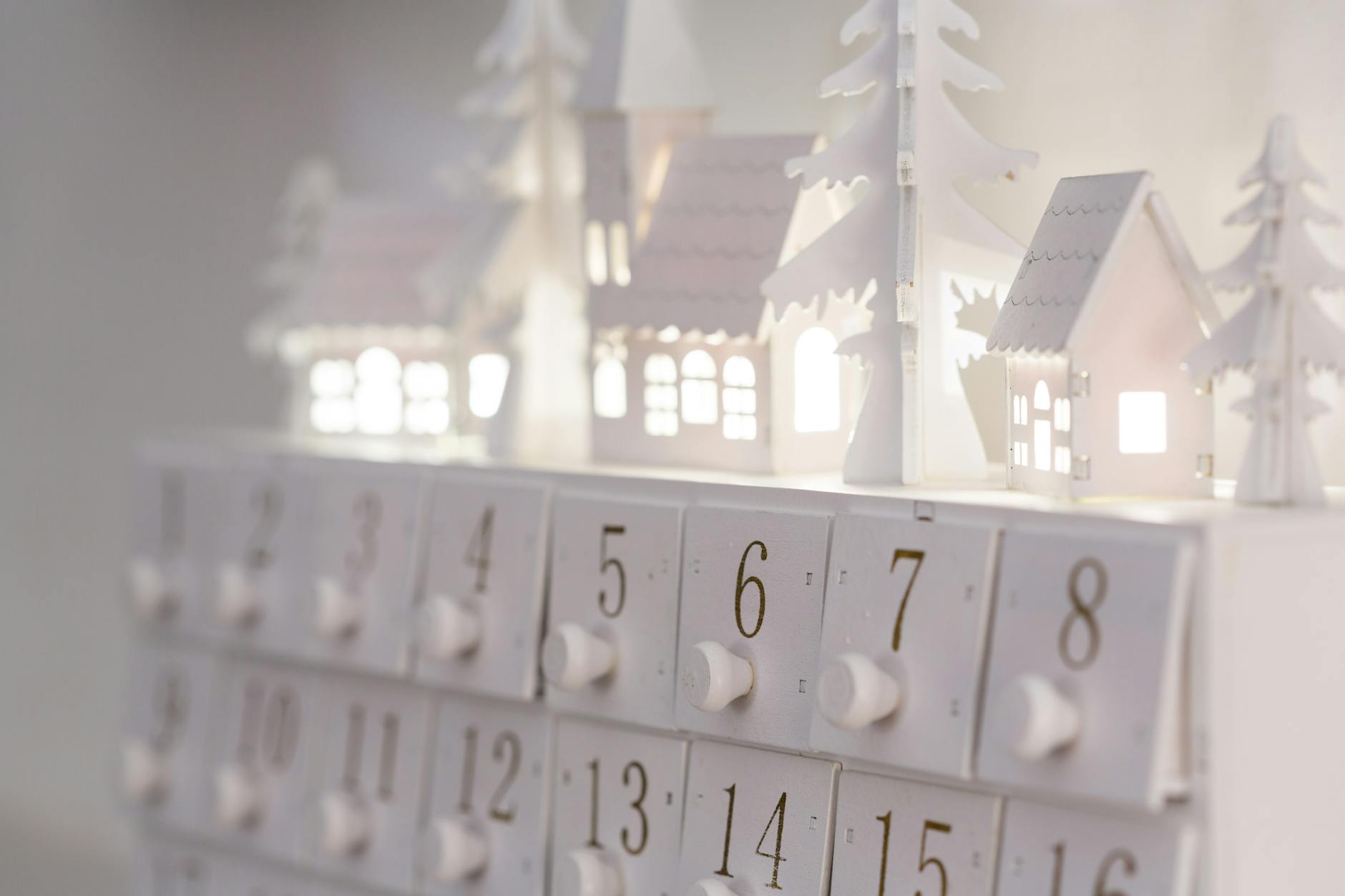
There’s something undeniably effective about a promotional product that builds anticipation day by day for 24 consecutive days. The branded Christmas advent calendar has evolved well beyond cardboard windows and chocolate squares — today it’s one of the most powerful seasonal marketing tools available to Australian businesses, resellers, and marketing agencies. Whether you’re sourcing for a corporate client in Sydney, building a campaign for a Melbourne retailer, or putting together a reseller catalogue for the 2026 festive season, understanding how advent calendars work as promotional merchandise can give your clients a genuine competitive edge.
Why the Christmas Advent Calendar Is a Marketing Powerhouse
Most promotional products get a single moment of impact. A branded pen is seen when it’s handed over. A tote bag is glanced at during the commute. But a Christmas advent calendar? It creates 24 touchpoints across the most commercially active month of the year.
From a brand impression standpoint, that’s extraordinary value. Each daily interaction reinforces brand recall, builds positive associations through the joy of discovery, and keeps your client’s logo front-of-mind throughout the entire lead-up to Christmas. For marketing agencies building seasonal campaigns, this kind of sustained engagement is genuinely difficult to replicate with any other single product.
The format also lends itself beautifully to a range of sectors. Corporate businesses use them as staff gifts, rewarding teams during the festive period. Retailers deploy them as customer loyalty tools or promotional giveaways. Schools and universities have embraced them for countdown activities. Healthcare organisations, government departments, and not-for-profits have all found creative applications too.
It’s worth reading our overview of what merchandise really means for businesses before diving deeper — understanding the broader promotional landscape helps frame why something as specific as an advent calendar can deliver outsized results.
Types of Branded Christmas Advent Calendars Available in Australia
Not all advent calendars are created equal, and the format you choose will significantly affect your product sourcing strategy, decoration options, and pricing structure.
Filled Product Advent Calendars
These are calendars pre-filled with small branded or unbranded products. Common fills include:
- Beauty and cosmetics items — miniature skincare, lip balms, nail care products. If you’re working with clients in the wellness or retail space, our guide to sourcing promotional cosmetic bags in Melbourne offers useful context on beauty-adjacent merchandise.
- Stationery and office accessories — mini notebooks, sticky note pads, branded pens, paper clips, and small accessories. Given that this post lives in the Stationery & Office category, this is a particularly strong angle for B2B and corporate clients.
- Snack and food items — chocolates, gummies, nuts, and other individually wrapped treats. If this category interests your clients, our article on promotional branded muesli bars for school canteen promotions shows how food-based promotional items are structured for bulk orders.
- Tech accessories — small USB drives, phone accessories, and mini cables. Our guide on promotional USB flash drives at low cost is worth a look if tech-filled calendars are on the table.
- Drinkware accessories — tea bags, coffee sachets, hot chocolate mixes, or even miniature keep cups. Our promotional drinkware ROI data for Australia shows why beverage-related items remain perennial performers.
Empty Box Advent Calendars (Fill-Your-Own)
These are custom-printed boxes with 24 numbered compartments that clients fill themselves. This format is popular with marketing agencies who want maximum creative control and often source the fills separately through multiple suppliers. Minimum order quantities typically start at 50–100 units for custom printed versions, though this varies by supplier.
Digital and Experience-Based Advent Calendars
While not a physical product in the traditional sense, digital advent calendars — where a new offer, discount code, or piece of content is revealed daily via email or a branded landing page — are growing in popularity. Resellers with digital agency clients should be aware of this format, though it falls outside the scope of traditional merchandise sourcing.
Decoration Methods for Custom Christmas Advent Calendars
The outer packaging of a branded advent calendar is where your client’s branding lives, so decoration quality matters enormously. The most common approaches include:
Full-Colour Digital Printing
For cardboard and paper-based advent calendar boxes, full-colour digital printing is the standard. It allows vibrant festive designs, photographic imagery, and complex artwork without additional setup costs associated with traditional print methods. This suits short-run orders well — even quantities as low as 50 units can often be accommodated.
Screen Printing on Packaging Inserts
If there are fabric elements, pouches, or product inserts within the calendar, screen printing may come into play. Understanding the basics here is useful — our guide on how to choose screen printing for promotional products walks through when screen printing is the right call versus alternative decoration methods.
Embossing and Debossing on Premium Formats
For higher-end corporate advent calendars — think wooden boxes or rigid cardboard constructions aimed at premium gifting — debossing or foil stamping on the exterior creates a luxurious finish. These are typically found in premium corporate gift ranges in Hobart and similar upscale product categories.
Pad Printing on Individual Items
When individual items within the calendar carry branding (a branded pen, a small bottle, a compact mirror), pad printing is often the decoration method of choice. Our deep-dive on pad printing on custom water bottles in Australia demonstrates the kind of precision this method achieves on small surfaces — highly relevant when the fill items themselves need to be branded.
Sourcing Strategies for Resellers and Marketing Agencies
If you’re a reseller or agency sourcing branded Christmas advent calendars for Australian clients, there are several practical considerations to work through before approaching suppliers.
Lead Times Are Critical — Start Early
Christmas advent calendars are inherently time-sensitive. The 1st of December doesn’t move. For locally decorated stock, you’re generally looking at 3–6 weeks of production time for custom print runs. For fully custom-manufactured products — particularly those sourced offshore — lead times can stretch to 10–16 weeks once you account for production, quality checking, shipping, and Australian customs clearance.
Our article on promotional product manufacturing trends and the onshore vs offshore debate is essential reading if you’re advising clients on where their products should be made. For advent calendars with complex fills and custom packaging, offshore manufacturing (primarily from suppliers in China) remains the dominant approach for cost efficiency at scale.
In practical terms: if you’re planning Christmas advent calendars for a corporate client in Brisbane or a retail chain across Perth, you should be having supplier conversations no later than August. September is cutting it fine. October is risky territory.
Budgeting and Pricing Tiers
Advent calendar pricing varies enormously based on the fill, the packaging quality, and the quantity ordered. Rough benchmarks for the Australian market in 2026:
- Basic empty custom box (50–100 units): $15–$35 per unit
- Filled stationery/confectionery calendar (100–250 units): $25–$75 per unit
- Premium filled calendar with custom inserts (100+ units): $80–$200+ per unit
Setup fees for custom printing typically range from $50–$150 per colour or design element, depending on the supplier and decoration method. Always ask about these upfront — they can significantly affect the unit cost on smaller runs.
Finding the Right Supplier Network
For resellers operating across Australia, building relationships with reliable suppliers is the foundation of a sustainable business. If your clients are concentrated in Western Australia, our guide to Perth promotional product suppliers outlines what to look for in a regional context. Understanding the broader promotional products industry statistics also helps you benchmark supplier performance and market pricing.
Don’t overlook the value of supplier samples. For a product as visible as an advent calendar — where the unboxing experience is part of the brand moment — approving a physical sample before committing to a full production run is non-negotiable.
Advent Calendars Within Broader Seasonal Gifting Strategies
A Christmas advent calendar rarely works in isolation. It’s most effective when positioned as part of a broader seasonal gifting or promotional strategy. Marketing agencies, in particular, should be thinking about how the advent calendar fits alongside other branded touchpoints.
For staff gifting programmes, advent calendars pair naturally with branded apparel like team varsity jackets or personalised t-shirts presented at the beginning of the festive period. For client-facing campaigns, advent calendars might anchor a broader suite of personalised corporate gifts that roll out across the fourth quarter.
It’s also worth considering how advent calendar campaigns connect to the wider events calendar. Just as we’ve covered event swag strategies for webinar promotions and Father’s Day branded gifts for suppliers, the most effective seasonal merchandise always ties back to a defined campaign goal.
For clients in the retail or FMCG sector, advent calendars can anchor loyalty programmes or drive purchase thresholds (“spend $100 and receive a branded 12-day mini calendar”). For corporate clients, they often serve as a premium end-of-year thank-you to key accounts — which is where our guidance on Mother’s Day promotional gifts in Australia offers transferable lessons about the art of occasion-based gifting.
Eco-Friendly Advent Calendar Options
Sustainability is increasingly a procurement requirement rather than a preference for Australian businesses. Eco-conscious advent calendars use FSC-certified cardboard, soy-based inks, recyclable or reusable packaging, and plastic-free fills. Some premium formats use wooden boxes designed to be repurposed after Christmas — a strong story for clients with strong ESG commitments.
Resellers should be prepared to answer questions about packaging materials, fill item origins, and end-of-life disposal. Clients in government, education, and corporate sectors are asking these questions routinely in 2026.
Key Takeaways
Sourcing branded Christmas advent calendars for Australian clients is a rewarding but time-sensitive exercise. Here’s what to keep in mind as you plan your approach:
- Start the conversation in August — Christmas advent calendars have hard delivery deadlines, and lead times for custom products (especially offshore-manufactured) are longer than most clients expect.
- Match the format to the audience — filled product calendars, empty custom boxes, and premium wooden formats each serve different client needs and budgets.
- Decoration quality on the outer packaging is everything — the unboxing experience carries the brand story, so invest in quality print finishes rather than cutting corners on presentation.
- Build the advent calendar into a broader seasonal gifting strategy — standalone products rarely punch as hard as merchandise that’s part of a coordinated campaign.
- Ask sustainability questions early — eco-friendly packaging and fills are increasingly expected, not optional, for many Australian corporate and government clients.
A well-executed branded Christmas advent calendar is one of the few promotional products that earns daily engagement for an entire month. For resellers and agencies who understand how to source and position them well, they represent an excellent revenue opportunity and a genuine value-add for clients heading into the festive season.