
Embroidered Work Shirts: The Complete Australian Buyer's Guide for Businesses and Resellers
Discover how to source, order, and brand embroidered work shirts in Australia — practical tips for businesses, resellers, and marketing agencies.

Written by
Stella Kwan
Branding & Customisation
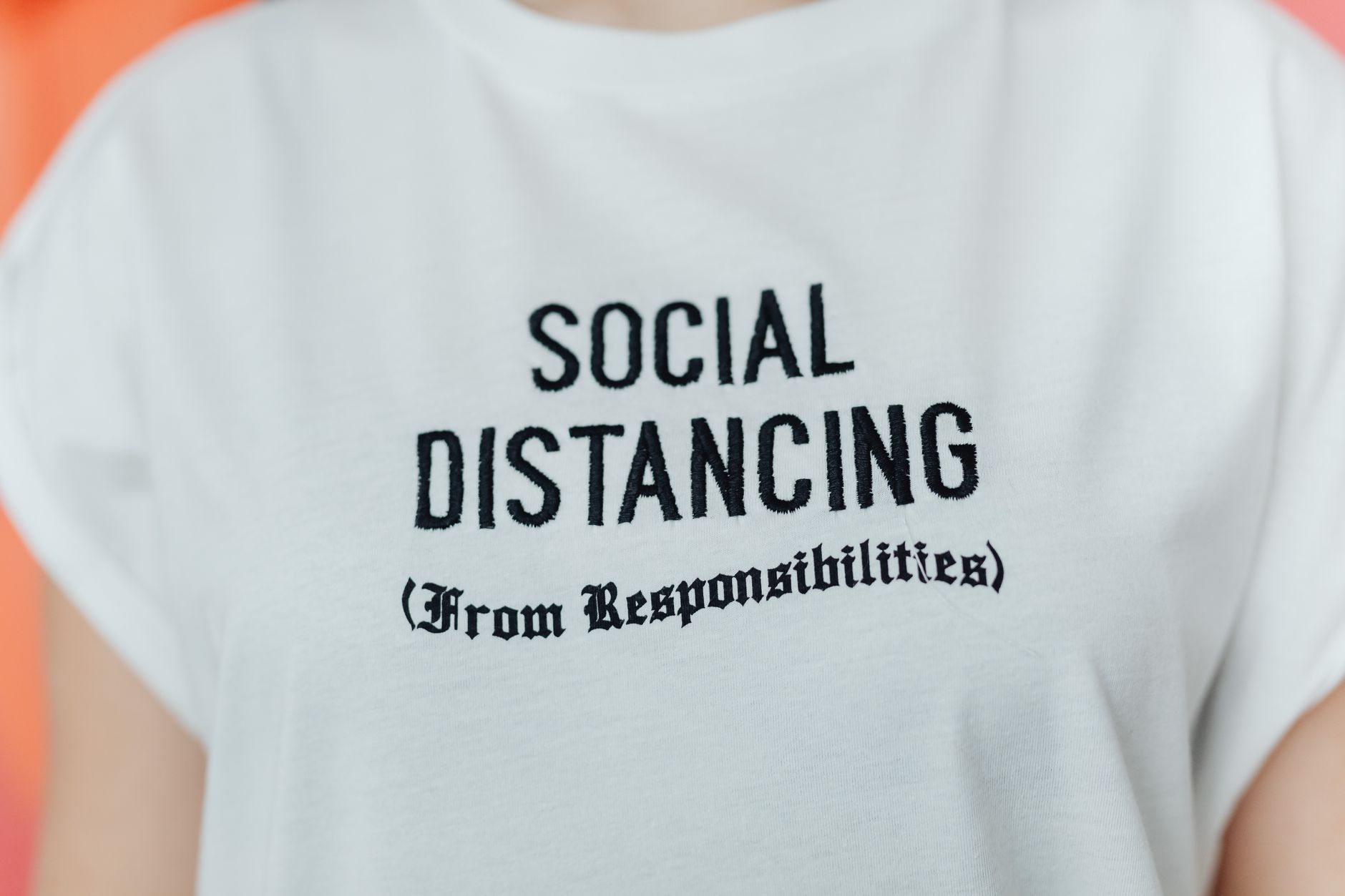
When it comes to building a consistent, professional brand presence across a team, few products deliver quite like embroidered work shirts. Whether you’re outfitting a corporate sales team in Sydney, a trade business in Perth, or a hospitality group across Brisbane and the Gold Coast, a well-embroidered logo on a quality work shirt does more than tick the uniform box — it signals credibility, builds team cohesion, and keeps your brand visible every single day. For resellers and marketing agencies sourcing branded apparel on behalf of clients, understanding how embroidered work shirts work from supplier selection through to final delivery can make or break a project. This guide covers everything you need to know.
Why Embroidered Work Shirts Outperform Other Decoration Methods
Before diving into the ordering process, it’s worth understanding why embroidery consistently remains the preferred decoration method for professional workwear — and why your clients keep asking for it.
Embroidery involves stitching a design directly into the fabric using thread, creating a textured, three-dimensional result that looks and feels premium. Unlike screen printing or heat transfer, embroidery doesn’t crack, fade, or peel with repeated washing. This durability is particularly important for work shirts, which are laundered frequently and worn in demanding environments.
For comparison, a screen printed logo on a work polo might start showing wear after 30 to 50 washes. A quality embroidered logo, on the other hand, can outlast the garment itself. This makes embroidery an especially smart investment for businesses in sectors like construction, healthcare, hospitality, real estate, and corporate services — anywhere staff wear branded shirts daily.
There are a few important nuances to understand, though. Embroidery works best on structured fabrics with some weight to them — think cotton-blend polos, drill shirts, twill workwear, and corporate business shirts. Highly stretchy or thin performance fabrics can be trickier, as the stitching may pucker or distort. That’s why your fabric choice and your decoration method should always be considered together. For more information on choosing between decoration methods, check out our guide to branding corporate gifts which covers how different techniques apply across product types.
What Types of Logos Work Best for Embroidery?
Not every design translates equally well into thread. Embroidery works beautifully with:
- Bold, simple logos with clean lines and limited colour complexity
- Text-based designs such as business names or monograms
- Icons or badge-style graphics with defined shapes
Designs with very fine details, gradients, or photographic elements are generally not suitable for embroidery, as thread cannot replicate the subtlety of ink. If your client has a complex logo, an experienced decorator will typically suggest a simplified embroidery-ready version. Always request a digital stitch file preview (often called a DST or EMB file preview) before approving your order.
How to Select the Right Work Shirts for Embroidery
Choosing the garment is just as important as the embroidery itself. The wrong shirt — poor fabric weight, ill-fitting cut, or unsuitable colour options — can undermine even the most beautifully stitched logo.
Fabric and Weight Considerations
For corporate and office environments, a cotton-poly blend corporate shirt or polo in the 200–240 gsm range strikes the right balance between comfort and structure. Heavier drill shirts (around 190–240 gsm) are better suited to trade and outdoor roles where durability is paramount. In warmer states like Queensland and the Northern Territory, lightweight moisture-wicking fabrics are popular — just confirm with your decorator that the fabric weight is sufficient to hold embroidery without puckering.
Collar and Style Options
The most common styles for embroidered workwear include:
- Polo shirts — the most versatile option, suitable for hospitality, retail, real estate, and casual corporate settings
- Business shirts (button-up) — preferred in formal corporate, banking, and professional services environments
- Drill shirts — the go-to for trades, construction, and outdoor industries; often long-sleeved with chest pockets
- Hi-vis shirts — essential for construction sites, warehouses, and industries governed by Australian safety standards
For clients in corporate settings, golf shirts for men offer a polished alternative to standard polos and are well-suited to embroidery decoration.
Colour Selection
Embroidery thread comes in thousands of colours, and most decorators can match to Pantone (PMS) standards. When selecting garment colours, consider how the embroidery thread will contrast and complement. Navy shirts with white or gold thread, charcoal with silver, and white with navy or black are perennially popular combinations in Australian corporate workwear.
If your client has specific brand colours, provide the PMS codes to your decorator upfront to ensure accurate thread matching — especially important when ordering across multiple garment colours for the same brand.
Understanding Minimum Order Quantities and Pricing
This is where many first-time buyers and newer resellers get caught off guard. Embroidery involves setup costs that are spread across the order, which means the unit cost per shirt drops significantly as quantity increases.
Typical MOQs for Embroidered Work Shirts
Most Australian suppliers set minimum order quantities for embroidered workwear at around 12 to 24 garments per design and colour. Some boutique decorators will go as low as 6 pieces, usually at a premium. For large-scale corporate orders — think a Melbourne hospitality group outfitting 200 staff — bulk pricing tiers often kick in at 50, 100, and 250+ units, delivering meaningful savings per piece.
Setup Fees (Digitising Costs)
One cost that often surprises clients is the digitising fee. Before embroidery can begin, the artwork must be converted into a stitch file — a process called digitising. This is a one-time fee typically ranging from $30 to $80 per design, depending on complexity. The good news: once digitised, the file is saved and can be reused for future orders without additional digitising costs. Always clarify whether the digitising fee is included in the quoted price or charged separately.
Budgeting Across a Full Uniform Programme
Resellers and marketing agencies managing full uniform rollouts should budget comprehensively. Beyond the garment and embroidery costs, factor in:
- Size distribution sampling (ordering extras in fringe sizes)
- Individual name or role embroidery (adds cost per unit)
- Branded packaging if the shirts are being gifted or distributed at events
- Freight to multiple locations across Australia
Speaking of complementary branded items, many clients ordering embroidered work shirts also bundle in branded accessories. Products like sipper cups or car keyrings are popular add-ons for employee welcome kits and onboarding packages — a great upsell opportunity for resellers.
Turnaround Times: What to Expect
Turnaround for embroidered work shirts in Australia typically ranges from 10 to 20 business days from artwork approval, depending on the supplier, order volume, and garment availability. Rush orders are possible with some suppliers but often attract a premium.
Key Factors That Affect Lead Times
- Artwork approval speed — delays in client sign-off push everything back
- Garment stock availability — some colourways or sizes may need to be ordered in, adding days
- Order complexity — multiple logo placements, individual name embroidery, or large stitch counts take longer
- Peak season demand — the October to December period is notoriously busy as businesses rush to complete uniform and gifting orders before the year ends
For time-sensitive projects, confirm stock availability and production capacity with your supplier before committing to client timelines. If you’re sourcing during the holiday season alongside other branded items like personalised Christmas baubles, plan well ahead to avoid disappointment.
Placement Options for Embroidered Logos
Logo placement on work shirts follows a fairly established set of conventions, though there’s room for creativity depending on the brand.
Standard Placement Options
- Left chest — the most common placement; ideal for logos, business names, and monograms
- Right chest — often used for individual names or job titles alongside a left chest logo
- Sleeve — a secondary branding location, popular for adding a tagline, department name, or secondary logo
- Centre back yoke — used for larger logos or decorative design elements
- Centre chest (full front) — less common on work shirts but used for branded casual or event shirts
Most orders involve a single left chest logo, but for clients with a stronger brand presence or detailed uniform requirements, combining placements is increasingly popular. A Brisbane hospitality group, for example, might opt for a left chest logo plus individual first names on the right chest for their front-of-house team.
Tips for Resellers Managing Embroidered Work Shirt Projects
If you’re a reseller or marketing agency managing embroidered workwear projects on behalf of clients, a few smart practices will save you time, reduce errors, and protect your margins.
Collect artwork early and in the right format. Vector files (AI, EPS, or high-resolution PDF) are essential for digitising. Avoid accepting low-resolution PNG or JPEG files — these will either produce a poor stitch result or incur rework fees.
Use a garment size run template. Rather than asking clients to email you sizes informally, provide a structured spreadsheet with all size options listed. This reduces errors and makes it easy to compile your order.
Build client approval into the timeline. Always get written sign-off on the stitch preview before production begins. A simple email confirmation is sufficient, but it protects you if questions arise about the final result.
Consider bundling complementary products. Embroidered work shirts pair naturally with other branded items in employee welcome kits or team uniform packages. Products like beverage coasters for office breakrooms, or personalised beach towels for summer event merchandise, can complement a clothing order and increase your total project value.
Resellers sourcing for diverse client types — from councils in Canberra to retail chains across Adelaide and Melbourne — will also find that offering a cohesive branded package, rather than just individual products, strengthens client relationships and positions you as a strategic partner rather than just a supplier.
Finding the Right Supplier in Australia
Not all embroidery suppliers are equal. When evaluating potential production partners, look for:
- A clear sample or pre-production proof process
- Experience with your specific garment types
- Transparent pricing with no hidden fees
- Australian-based stock (to avoid long international lead times)
- Positive reviews from similar industries or order sizes
- Clear communication and dedicated account management
Asking for a sample run on a single shirt before committing to a large order is always a smart move, particularly for new supplier relationships. The cost of a sample is minimal compared to the risk of a 200-piece order coming back with misaligned or poorly digitised logos.
Conclusion: Key Takeaways for Embroidered Work Shirts
Embroidered work shirts remain one of the most effective and enduring branded merchandise investments for Australian businesses across virtually every industry. Whether you’re a reseller building out a client’s full uniform programme or a business owner looking to elevate your team’s professional appearance, getting the details right from the start ensures a result your brand can wear with confidence.
Here’s a quick summary of what to keep in mind:
- Embroidery offers unmatched durability compared to print-based decoration methods, making it the smart choice for frequently worn workwear
- Choose the right garment first — fabric weight, style, and colour all affect how the embroidery performs and looks
- Factor in digitising fees and MOQs when building your quote, and always request a stitch preview before approving production
- Plan for realistic lead times — 10 to 20 business days from artwork approval is standard, with longer waits during peak seasons
- Bundle complementary branded products to increase project value and deliver a more complete brand experience for your clients