
Heat Transfer on Custom Water Bottles in Australia: A Complete Ordering Guide
Learn how heat transfer works on custom water bottles in Australia — ideal for resellers, businesses & agencies sourcing branded drinkware.

Written by
Stella Kwan
Branding & Customisation
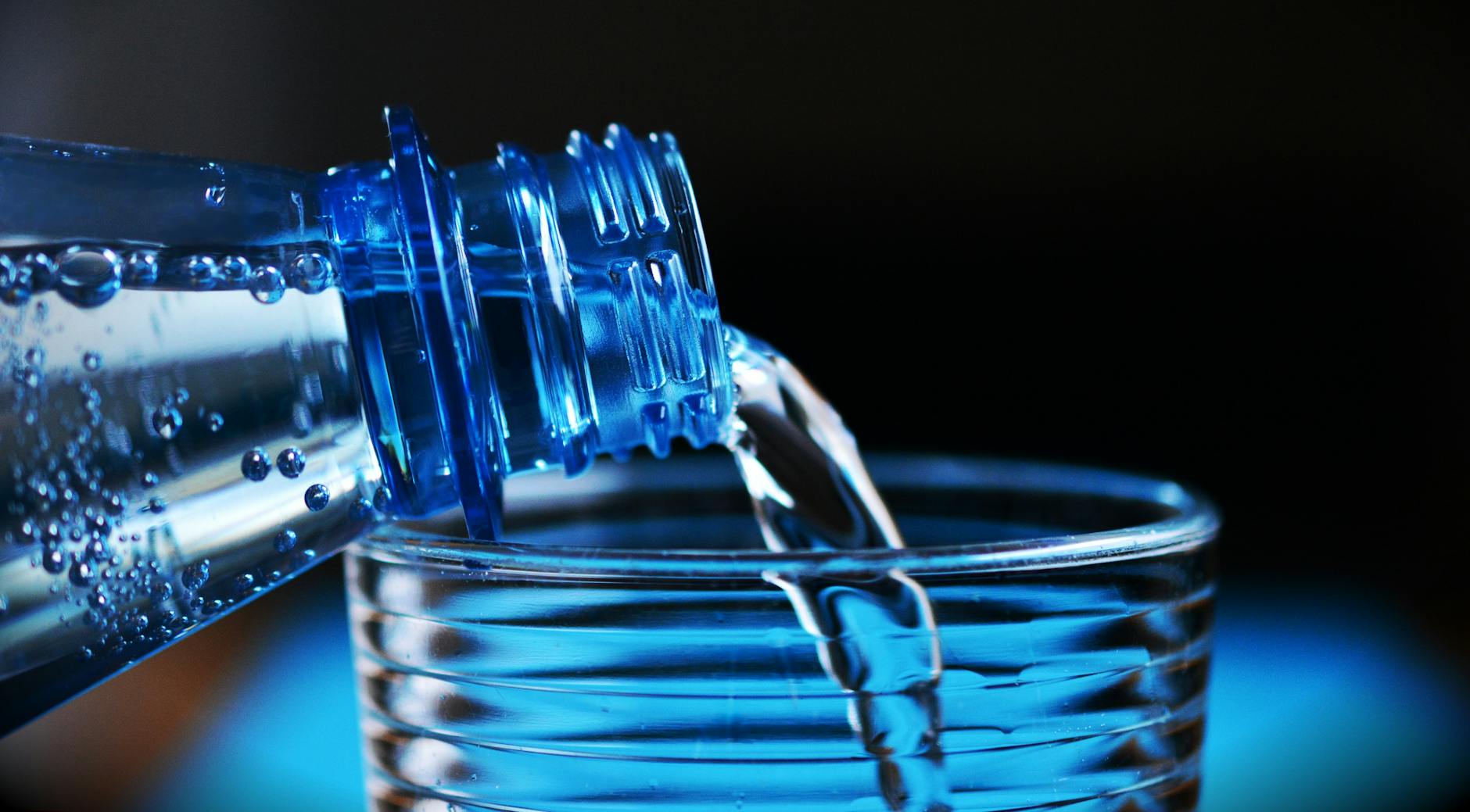
When it comes to decorating custom water bottles in Australia, there is no shortage of options — screen printing, pad printing, laser engraving, and more. But heat transfer on custom water bottles Australia-wide has emerged as one of the most versatile and visually striking decoration methods available to businesses, resellers, and marketing agencies. Whether you are sourcing branded drinkware for a corporate event in Sydney, a fitness brand launch in Melbourne, or a university orientation week on the Gold Coast, understanding how heat transfer works — and when it is the right choice — can save you time, money, and a lot of headaches.
What Is Heat Transfer Decoration on Water Bottles?
Heat transfer is a decoration process where a pre-printed design is applied to a surface using a combination of heat and pressure. A transfer film carrying your artwork is pressed against the bottle using a heat press machine. The heat activates the adhesive or dye in the film, bonding it permanently to the surface of the bottle.
There are several distinct types of heat transfer used in the promotional products industry:
Heat Transfer Vinyl (HTV)
Heat transfer vinyl involves cutting designs from coloured vinyl sheets and pressing them onto the product. It works well for bold, simple logos and is popular for individual or small batch personalisation. HTV tends to sit slightly above the surface of the bottle, giving designs a subtle raised feel.
Digital Heat Transfer (DTF and Plastisol Transfers)
Digital heat transfers are printed designs on a special film that can be transferred with a heat press. Direct-to-film (DTF) transfers, in particular, have gained significant traction in recent years because they support full-colour, high-resolution imagery including gradients, photographs, and complex brand illustrations. For businesses with detailed logos or multi-colour artwork, DTF transfers are often the go-to option.
Sublimation Transfer
Sublimation is technically a form of heat transfer, where dye is printed onto transfer paper and then pressed onto a polymer-coated surface. Heat turns the dye into a gas, which permeates the surface permanently. Sublimation delivers photo-quality results but requires specially coated bottles. White or light-coloured surfaces produce the best results. It is also worth exploring our complete guide to printing custom water bottles to understand how sublimation fits alongside other popular decoration methods.
Why Businesses and Resellers Choose Heat Transfer for Custom Water Bottles
Heat transfer has a number of practical advantages that make it a compelling choice, especially for marketing agencies managing multi-brand campaigns or resellers handling varied client briefs.
Full-Colour Artwork Capability
Unlike pad printing, which is typically limited to one or two spot colours per pass, heat transfer — particularly DTF and sublimation — allows for unlimited colours in a single application. Brands with complex logos or photographic imagery benefit enormously from this flexibility. If you want to understand how pad printing compares for simpler artwork requirements, our guide to pad printing on custom water bottles Australia is a helpful companion read.
Wraparound and Large Coverage Areas
Heat transfer can cover large areas of a bottle, including full wraparound prints. This is ideal for brands that want maximum visual impact — think branded water bottles at trade shows, sporting events, or conference merchandise packs.
Cost-Effectiveness at Mid-to-High Volumes
While setup costs for heat transfers can be moderate, per-unit pricing drops significantly at volume. Orders of 250 units and above typically see strong cost efficiencies. For resellers building proposals for mid-size corporate clients across Brisbane, Perth, or Adelaide, the maths often stacks up very favourably compared to more labour-intensive decoration methods.
Compatibility with Various Bottle Types
Heat transfer works across a broad range of bottle materials — stainless steel, aluminium, hard plastic (BPA-free), and polymer-coated surfaces. This compatibility gives buyers more product choice. Eco-friendly bottle options made from recycled or plant-based materials are increasingly popular; for more on sustainable branded merchandise, our guide to wheat straw corporate gifts Australia covers how eco-conscious product lines are evolving.
Understanding Minimum Order Quantities and Lead Times
For resellers and marketing agencies planning branded drinkware campaigns, minimum order quantities (MOQs) and turnaround times are non-negotiable planning considerations.
Typical MOQs for Heat Transfer Water Bottles
- Heat Transfer Vinyl: Often available from as low as 12–25 units, making it suitable for small boutique orders or premium gifting scenarios
- DTF Transfers: Usually viable from 50 units, with most Australian suppliers offering competitive pricing from 100 units
- Sublimation: Typically starts at 50–100 units and is most cost-effective at 250+ units
Standard Lead Times in Australia
Expect standard production turnarounds of 10–15 business days from proof approval for most heat transfer methods. Rush orders — common for event-driven campaigns — can sometimes be accommodated in 5–7 business days, though this may attract additional charges. Always factor in freight time, particularly if you are shipping to Darwin, Hobart, or regional areas of Western Australia.
If you are working with suppliers in Perth or other regional hubs, our resource on Perth promotional product suppliers for Western Australia can help you identify capable local partners with appropriate print facilities.
Artwork Requirements for Heat Transfer Decoration
Getting your artwork right before submitting to a supplier is one of the most important steps in any decorated merchandise project.
File Formats and Resolution
- Vector files (AI, EPS, PDF): Strongly preferred for vinyl-based heat transfers and spot colour work
- High-resolution raster files (300dpi minimum PNG or TIFF): Acceptable for DTF and sublimation transfers
- RGB vs CMYK: Sublimation printing works in RGB colour space, while most other digital print processes prefer CMYK artwork
Colour Matching Considerations
Heat transfer, particularly DTF, does not always support precise Pantone (PMS) colour matching. If your client has strict brand colour requirements, discuss this with your supplier upfront. Sublimation on white or light polymer-coated surfaces tends to produce the most vibrant, accurate colour reproduction. For campaigns where colour fidelity is critical — think government departments, banks, or national retail brands — laser engraving or pad printing may actually be the safer decoration choice.
Bleed and Safe Zones
For wraparound or edge-to-edge prints, ensure your artwork includes appropriate bleed (typically 2–3mm). Confirm bottle dimensions and print areas with your supplier before finalising artwork, as bottle shapes vary significantly.
When Heat Transfer Is (and Isn’t) the Right Choice
Heat transfer is an excellent option in many scenarios, but it is not always the best fit for every brief. Understanding the limitations helps you advise clients clearly.
Heat transfer works brilliantly for:
- Full-colour logos with gradients or photographic elements
- Wraparound bottle branding for high-impact trade show merchandise
- Short-to-medium run campaigns needing vibrant visual results
- Schools, sporting clubs, or events needing colourful, branded drinkware
For example, a Melbourne-based marketing agency sourcing 300 stainless steel water bottles for a tech company’s product launch would find DTF heat transfer an ideal solution — full-colour logo, large surface coverage, and competitive per-unit cost at that volume.
Consider alternatives when:
- Your client needs precise PMS colour matching (consider pad printing or screen printing)
- The bottle material is not suited to heat application (some insulated bottles with specialty coatings require laser engraving)
- Budget is extremely tight and simple one-colour designs are sufficient (pad printing is often more economical for single-colour runs)
It is also worth reviewing promotional drinkware ROI data for Australia to understand how branded water bottles perform as a promotional tool — useful context when building proposals for clients.
Practical Tips for Resellers Sourcing Heat Transfer Water Bottles
For resellers and agencies managing client accounts, here are a few operational tips that can improve project outcomes.
- Request a physical sample before committing to a full production run, particularly when using a new supplier or applying heat transfer to an unfamiliar bottle shape
- Build in a proof approval stage and document client sign-off — heat transfer prints are difficult and costly to reverse
- Understand your supplier’s return and reprint policy upfront, especially for colour reproduction issues
- Bundle with complementary products to increase order value — branded water bottles pair naturally with custom tote bags and cooler bags for conference merchandise kits, or alongside personalised corporate gifts for premium hamper-style presentations
- Stay informed on manufacturing trends — our overview of promotional product manufacturing trends: onshore vs offshore is relevant for resellers managing cost vs. quality trade-offs
If you are expanding your product offering, it is also worth noting that heat transfer techniques transfer across other merchandise categories. The same DTF technology that works beautifully on bottles also applies to personalised t-shirts, team varsity jackets, and even personalised beach towels.
Key Takeaways
Choosing heat transfer on custom water bottles in Australia is a well-supported, flexible, and visually powerful option — particularly for agencies, resellers, and businesses needing full-colour branded drinkware at mid-to-high volumes. Here is what to keep in mind:
- Heat transfer offers full-colour capability that pad printing and screen printing cannot match for complex, multi-tone artwork
- Different heat transfer types suit different briefs — DTF for high-detail full-colour logos, sublimation for photo-quality results on polymer-coated bottles, HTV for simple bold graphics
- MOQs and lead times vary by method — always confirm with your supplier before committing timelines to clients
- Artwork preparation is critical — wrong file formats or colour profiles can cause expensive reprints and delays
- Heat transfer is not always the right answer — understanding when pad printing, laser engraving, or screen printing is more appropriate makes you a better advisor to your clients
For more guidance on navigating the Australian promotional products landscape — including current industry statistics and what businesses are ordering in 2026 — SourceMerch Australia has a growing library of expert resources to help you source smarter and advise with confidence.