
How to Choose Screen Printing for Promotional Products: A Complete Guide
Learn how to choose screen printing for promotional products in Australia — covering costs, MOQs, artwork tips, and when to use other methods.

Written by
Stella Kwan
Branding & Customisation
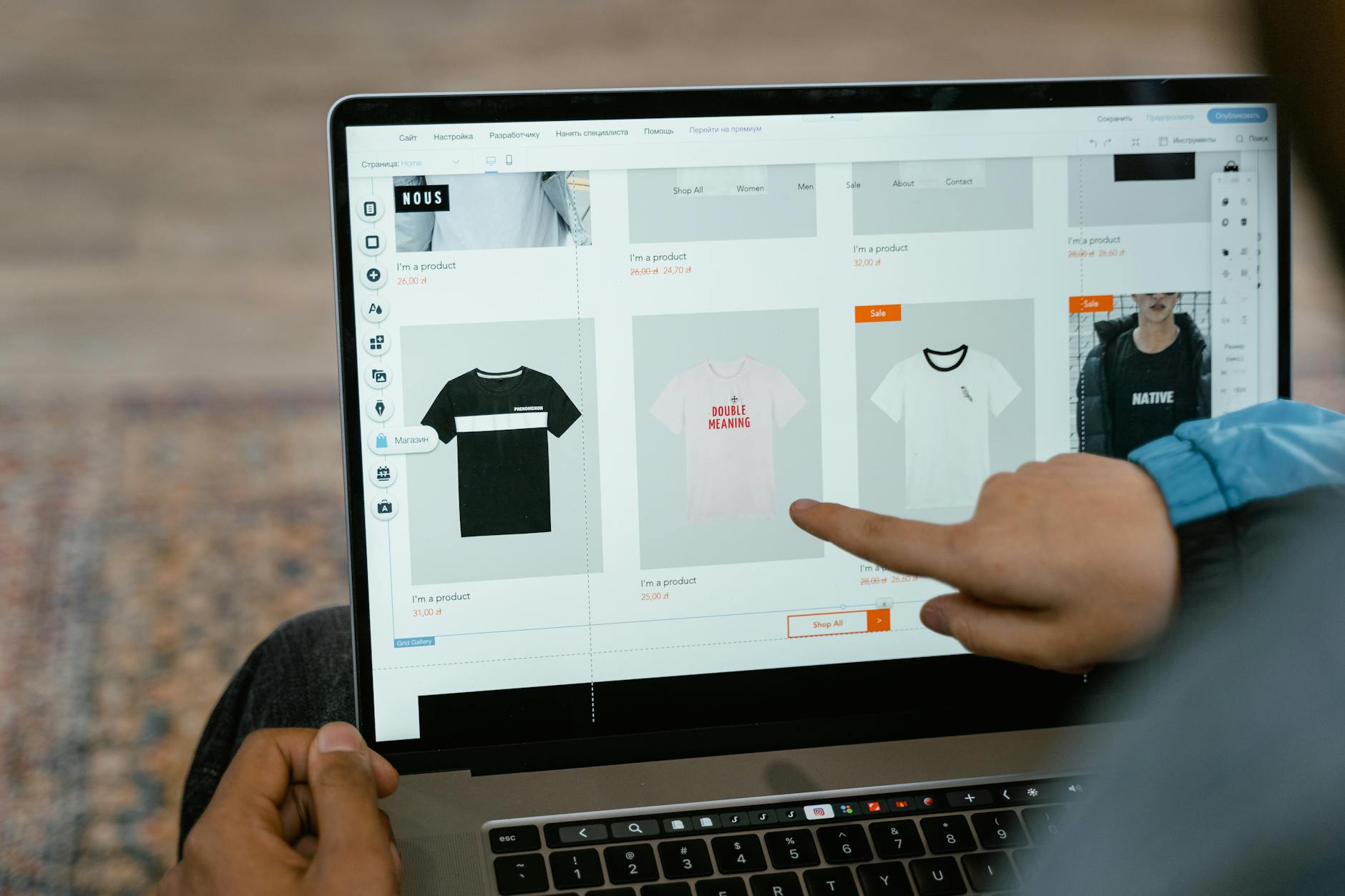
Screen printing is one of the most widely used decoration methods in the promotional products industry — and for good reason. It delivers bold, vibrant colours, excellent durability, and a cost-per-unit that drops significantly as order quantities increase. But knowing when to choose screen printing, and how to get the best results from it, is where many businesses, marketing agencies, and resellers come unstuck. Whether you’re sourcing branded t-shirts for a Sydney trade show or ordering promotional tote bags for a Melbourne council event, making the right call on your decoration method can mean the difference between a standout result and a costly mistake.
What Is Screen Printing and How Does It Work?
Screen printing — sometimes called silk screening — is a process where ink is pushed through a mesh screen (or stencil) onto a substrate. Each colour in your artwork requires its own separate screen, which is why this method has setup costs associated with it. Once the screens are set up, though, the actual printing process is fast and consistent, making it ideal for larger runs.
The ink sits on top of the material rather than soaking in, which gives screen printed products that characteristic bold, opaque finish. When cured properly with heat, the print becomes highly durable and can withstand dozens of wash cycles without significant fading — a major advantage for apparel and fabric-based promotional items.
What Products Are Suited to Screen Printing?
Screen printing works best on flat, smooth surfaces. The most common applications include:
- T-shirts and polo shirts — the classic use case for screen printing across every sector
- Hoodies and sweaters — ideal for corporate merchandise, school spirit wear, and event giveaways
- Tote bags and canvas bags — a popular choice for conferences, expos, and retail promotions
- Promotional caps — front panels respond well to screen printing when the design is simple
- Stubby holders and coasters — neoprene and fabric-based versions print exceptionally well
- Lanyards — flat woven or tubular styles can incorporate screen printed patches
It’s worth noting that not every product suits screen printing. Hard substrates like metal drink bottles, USB drives, or glass awards are typically better served by laser engraving, pad printing, or digital printing. For a deeper look at how screen printing compares with other methods, understanding the technical differences is key to making the right choice for your promotional brief.
How to Choose Screen Printing for Promotional Products: Key Factors to Consider
Choosing screen printing isn’t just about picking the cheapest or most popular option — it’s about matching the method to your brief. Here are the critical factors to weigh up before committing.
1. Your Colour Count Matters Enormously
Screen printing is priced per colour. Each additional colour in your design adds another screen to the setup process, which increases both setup fees and print complexity. A single-colour logo on a white t-shirt is straightforward and cost-effective. A six-colour gradient design with fine detail is a different proposition entirely.
As a general rule:
- 1–3 colours: Screen printing is usually the most economical choice at volume
- 4+ colours: Consider whether digital printing might offer better value, particularly for shorter runs
- Photorealistic designs or gradients: These are very difficult to achieve cleanly with screen printing and may require a different method altogether
Before sending artwork, always ask your supplier for a colour breakdown and quote at different colour counts — you may find that simplifying your design saves significantly on cost.
2. Minimum Order Quantities and Volume Pricing
Screen printing has setup costs that must be absorbed across your order. This is why it becomes dramatically more cost-effective as quantities increase. Most Australian suppliers set their minimum order quantities (MOQs) for screen printing at around 25–50 units for apparel, though this varies by product and supplier.
The real sweet spot for screen printing is typically 100 units and above. At that volume, the per-unit cost drops considerably, and the investment in screen setup becomes negligible. For large-scale orders — say, a Brisbane primary school ordering 300 sports day t-shirts or a Perth corporation kitting out their 500-person workforce — screen printing is almost always the most economical decoration method available.
For resellers and marketing agencies managing multiple client campaigns, understanding volume pricing tiers is essential to protecting your margins while delivering value to your clients.
3. Artwork Requirements and File Preparation
This is where many first-time buyers run into trouble. Screen printing requires clean, separated artwork — ideally supplied as vector files (.ai or .eps formats). Each colour must be on its own layer or be clearly separable, and halftones or gradients need to be converted to a format the printer can work with.
Key artwork considerations include:
- Vector files are strongly preferred — avoid supplying low-resolution JPEGs or PNG files with gradients
- Pantone (PMS) colour references should be specified where exact colour matching is critical
- Minimum line thickness — fine lines thinner than 1mm can fill or break down during printing
- Artwork size — confirm the print area dimensions before supplying files to avoid resizing issues
If you’re working with a client whose brand guidelines are strict, ensure their designer understands the constraints of screen printing early in the process. Revising artwork after screen setup begins can incur additional charges.
4. Fabric and Substrate Compatibility
Not all fabrics and materials are equal when it comes to screen printing results. The best results come from:
- 100% cotton — ink sits cleanly and cures evenly
- Cotton/polyester blends — very common and generally print well, though dye migration can be an issue on polyester-heavy blends with certain inks
- Canvas and natural fibre bags — ideal substrates that hold ink beautifully
Highly textured fabrics, moisture-wicking technical materials, and some synthetic blends can cause issues with adhesion and print clarity. Always request a sample or proof when working with an unfamiliar material, particularly for larger orders.
5. Turnaround Times and Lead Times
Screen printing requires screen creation, press setup, printing, curing, and quality checks — all before packing and dispatch. Typical turnaround times in Australia run from 7–14 business days from artwork approval, though rush options are sometimes available at additional cost.
For time-sensitive projects — a Gold Coast product launch, a Canberra government procurement order with a hard deadline, or event swag for hackathons and tech conferences — always confirm turnaround expectations upfront and build in time for artwork approvals and proofing. Last-minute changes to artwork after screens are made can push delivery dates significantly.
When Screen Printing Is the Right Choice
To bring all of this together, screen printing is typically the right choice when:
- Your order quantity is 50 units or higher (and ideally 100+)
- Your artwork uses 3 colours or fewer
- You’re decorating fabric or flat textile substrates
- You need strong colour vibrancy and long-term durability
- Budget per unit is a key consideration on a high-volume order
It’s also worth thinking about the long-term use of your merchandise. Promotional products that recipients actually keep and use — branded apparel, quality bags, reusable items — benefit significantly from durable decoration methods. A screen printed logo that holds its colour through years of use reflects far better on your brand than a faded alternative.
Sectors that frequently rely on screen printing include sporting clubs ordering custom team gear (much like the approach used for team varsity jackets), schools running sports carnivals, charities producing awareness campaign merchandise, and corporations producing staff uniforms and event apparel.
When to Consider an Alternative to Screen Printing
Screen printing isn’t always the right answer. There are scenarios where another decoration method will deliver better results:
- Small quantities (under 25 units): Setup costs make screen printing inefficient — digital printing or heat transfer may be more economical
- Complex photorealistic artwork: Digital printing handles full-colour photographic images far better
- Hard substrates: Laser engraving, pad printing, or direct digital printing are better suited
- Embroidered apparel: For polo shirts, caps, and corporate workwear, embroidery often reads as more premium — particularly relevant for industries like healthcare and professional services
If you’re sourcing specialised items — for example, custom branded hearing protection for audiology clinic gifts — the product type itself will often dictate the most appropriate decoration method before screen printing is even considered.
Working With Suppliers: Questions to Ask Before You Order
When briefing a supplier on a screen printing job, come prepared with the right questions:
- What is your MOQ for screen printing on this product?
- What is the cost per additional colour, and are there setup fees per screen?
- What file formats do you accept, and do you offer artwork assistance?
- Can I get a printed sample or digital proof before full production begins?
- What is your standard turnaround time from artwork approval to dispatch?
- Do you offer PMS colour matching, and is there an additional charge?
- What is your policy on reprints or replacements if the print quality doesn’t meet brief?
These questions help you manage client expectations, protect your margins, and avoid costly surprises mid-project.
Conclusion: Key Takeaways for Choosing Screen Printing
Understanding how to choose screen printing for promotional products comes down to matching the right method to your specific brief — considering artwork complexity, order volume, product type, and turnaround requirements. When the conditions are right, screen printing delivers exceptional value and quality that other methods simply can’t match at scale.
Here are the essential takeaways to keep in mind:
- Volume is your friend: Screen printing becomes significantly more cost-effective at 100+ units, making it ideal for large-scale promotional campaigns
- Keep artwork simple: 1–3 Pantone colours in a clean vector format will give you the best results and the most competitive pricing
- Match the method to the product: Fabric substrates like t-shirts, hoodies, and tote bags are where screen printing excels — hard substrates typically require a different approach
- Plan for lead times: Allow at least 10–15 business days from artwork approval to delivery, and more for very large or complex orders
- Ask the right questions upfront: A well-briefed supplier relationship leads to better outcomes, fewer surprises, and stronger client satisfaction for resellers and agencies
Whether you’re a marketing agency managing a multi-client merchandise programme or a business ordering branded apparel for the first time, getting your decoration method right is one of the most important decisions in the entire promotional products process.