
Pad Printing on Custom Water Bottles in Australia: The Complete Guide
Discover how pad printing on custom water bottles works in Australia, plus tips on MOQs, costs, turnaround times, and finding the right supplier.

Written by
Stella Kwan
Branding & Customisation
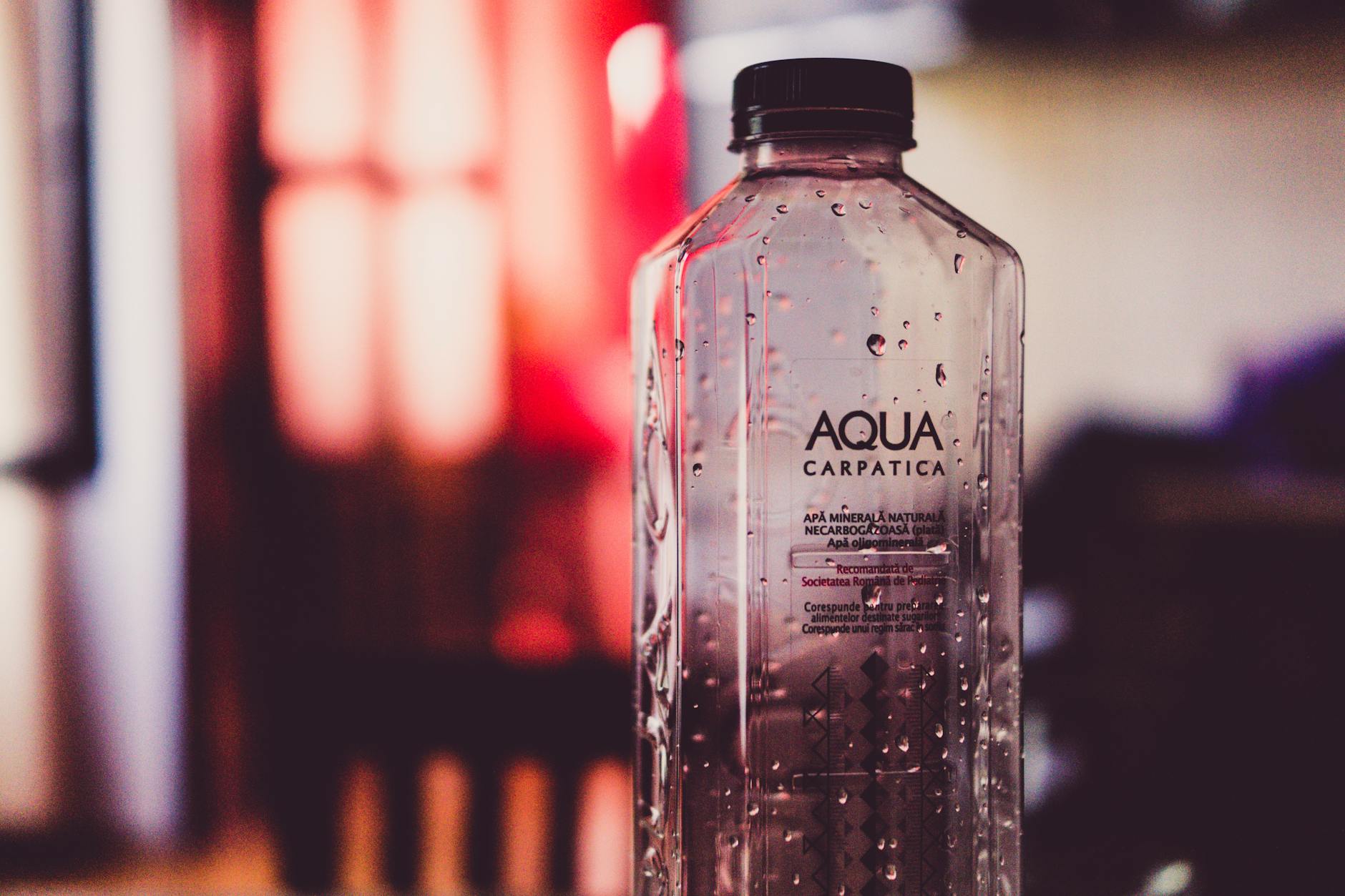
When it comes to getting a sharp, professional logo onto a custom water bottle, the decoration method you choose makes all the difference. Pad printing on custom water bottles in Australia has become one of the most popular and cost-effective options for businesses, resellers, and marketing agencies looking to produce high-quality branded drinkware at scale. Whether you’re sourcing merchandise for a Sydney corporate event, a Perth health clinic, or a Brisbane sporting association, understanding how pad printing works — and when it’s the right choice — can save you time, money, and a lot of headaches along the way.
What Is Pad Printing and How Does It Work?
Pad printing is a versatile indirect printing process that transfers a two-dimensional image onto a three-dimensional surface. It works using a silicone pad (hence the name) that picks up ink from an etched printing plate — called a cliché — and then presses that ink onto the product surface. Because the silicone pad is flexible, it can conform to curved, concave, or uneven surfaces with impressive accuracy.
This makes pad printing an exceptional choice for custom water bottles, which typically feature rounded bodies, tapered necks, and recessed areas that flat printing methods simply can’t handle well. The process can achieve clean, precise logos on stainless steel drink bottles, BPA-free plastic bottles, aluminium bottles, and even soft-sided hydration flasks.
What Surfaces and Materials Work Best?
Pad printing adheres well to a wide range of materials commonly used in drinkware manufacturing:
- Stainless steel – Highly popular for premium corporate gifts and fitness-focused merchandise
- Aluminium – Lightweight and cost-effective, common in budget-friendly promotional runs
- Hard plastic (PP, HDPE, Tritan) – Great for events, schools, and high-volume giveaways
- Rubber-coated bottles – Increasingly popular for a matte, premium feel
It’s worth noting that pad printing is typically better suited to spot colour logos rather than photographic or gradient-heavy artwork. If your branding involves complex full-colour imagery, you may want to explore alternatives — our guide on how to choose screen printing for promotional products covers some useful comparisons between decoration techniques.
Why Australian Businesses Choose Pad Printing on Custom Water Bottles
There’s a reason pad printing remains a staple decoration method across the Australian promotional products industry. Let’s break down the key advantages.
Cost-Effective at Scale
Setup costs for pad printing — primarily the creation of the cliché plate — are generally low compared to methods like embroidery or dye sublimation. Once the plate is made, the per-unit cost drops significantly with volume. This makes pad printing particularly attractive for runs of 250 units or more, where cost-per-piece becomes a priority for budget-conscious buyers.
For resellers or marketing agencies managing multiple client campaigns across Melbourne, Adelaide, or the Gold Coast, pad printing offers a reliable margin-friendly option that doesn’t compromise on quality.
Precise, Repeatable Colour Matching
For brands with strict style guides, pad printing offers excellent PMS (Pantone Matching System) colour accuracy. Inks are mixed to match specific Pantone references, ensuring the logo on your bottles looks exactly as intended — batch after batch. This consistency is especially important for corporate clients who require brand compliance across all touchpoints.
Works on Awkward Bottle Shapes
Not all water bottles are simple cylinders. Many modern hydration products feature grip textures, tapered bases, wide mouths, and curved profiles. Pad printing handles these shapes effectively, making it suitable for a broader product range than methods like flat-bed digital printing.
Suitable for Small Print Areas
Pad printing excels at fine detail in tight spaces — think a small logo near the base of a bottle or a URL printed on a cap. Where other methods might bleed or lose resolution, pad printing maintains crisp edges even at smaller sizes. This is useful when you’re working with bottles that have limited flat print real estate.
Pad Printing vs. Other Decoration Methods for Water Bottles
Understanding where pad printing sits relative to other decoration options helps you make smarter sourcing decisions for your clients.
Pad Printing vs. Screen Printing
Screen printing on water bottles requires a flat surface to work effectively, which limits its suitability for bottles with significant curves or tapers. For flat-sided aluminium drink bottles or simple cylindrical shapes, screen printing can be a great option — but for more complex geometries, pad printing wins. You can read more about how to choose screen printing for promotional products to understand where each method excels.
Pad Printing vs. Laser Engraving
Laser engraving creates a permanent, premium finish that’s particularly popular on stainless steel bottles. It removes a layer of material to reveal a contrasting surface beneath, resulting in a sophisticated metallic look. It carries a higher per-unit cost for shorter runs but has no ink to wear off over time. For high-value corporate gifts, laser engraving may be preferred — but pad printing remains the go-to for vibrant, coloured logos on promotional runs.
Pad Printing vs. Sublimation
Sublimation allows for full-colour, all-over printing and works beautifully on white-coated aluminium or specially coated hard plastic. However, it’s limited to compatible substrates and typically requires white or light-coloured base materials. Pad printing has far fewer material restrictions and handles spot-colour logos across a wider range of bottle types and colours.
Practical Ordering Considerations for Pad Printing on Water Bottles
Before you brief your supplier or submit an order, there are a few key practicalities to work through.
Minimum Order Quantities (MOQs)
In Australia, MOQs for pad printing on custom water bottles typically start from around 100–250 units for standard runs, though some suppliers offer lower MOQs at a higher per-unit cost. For resellers managing smaller client orders, it’s worth clarifying whether your supplier can accommodate below-MOQ pricing or hold back stock from larger consolidated runs.
If you’re sourcing for an event with very small quantities — say, a boutique conference in Hobart or a Canberra government workshop — consider checking whether a pre-decorated bottle with a label option might be more practical until volumes grow.
Turnaround Times
Standard production turnaround for pad printing on water bottles in Australia generally runs 10–15 business days after artwork approval, though rush options may be available for an additional fee. If you’re procuring bottles for a time-sensitive campaign — a Christmas gift promotion, a trade show, or a product launch — always build in buffer time.
Speaking of Christmas, if you’re planning seasonal branded merch, our post on Christmas custom products in Australia has useful guidance on lead times and planning.
Artwork Requirements
For pad printing, artwork should be supplied as vector files (AI, EPS, or PDF formats). Rasterised images (JPGs, PNGs) at standard resolution often don’t hold up well when converted to a cliché plate. Confirm with your supplier whether they offer artwork conversion services, and factor this into your quoting process if you’re reselling.
Each colour in your design typically requires a separate pad and plate, so multi-colour logos increase setup costs. A single-colour logo is the most economical starting point.
Budgeting and Pricing Benchmarks
A rough guide for pad printing on branded water bottles in Australia:
- Single-colour logo, 500 units, standard plastic bottle: AUD $3–$6 per unit (excluding GST and freight)
- Single-colour logo, 250 units, stainless steel bottle: AUD $8–$14 per unit
- Two-colour logo, 500 units, stainless steel: AUD $10–$18 per unit
These are indicative figures — actual pricing will vary by supplier, bottle grade, and print complexity. Always request a formal quote and check whether setup fees are included.
Sourcing the Right Supplier for Pad Printing in Australia
Finding a reliable supplier matters as much as understanding the method. Suppliers vary significantly in quality, consistency, and communication — especially when coordinating artwork proofs and pre-production samples.
For businesses and resellers based in Western Australia, our guide to Perth promotional product suppliers for Western Australia can help identify quality local partners. Whether you’re sourcing locally or working with a supplier that ships nationally, always request a pre-production sample before committing to a full run — especially for a new client or a product you haven’t ordered before.
It’s also worth exploring what else a supplier can offer beyond water bottles. Many of the same suppliers who handle pad printing on drinkware can also produce custom lanyards for events, promotional USB flash drives, and other conference merchandise, making consolidation easier. If you’re curating a full event merchandise suite — perhaps for a tech event or event swag for hackathons in Australia — having a single supplier across multiple product categories can streamline your project significantly.
Other Products That Pair Well With Branded Water Bottles
Water bottles rarely go out alone. Whether you’re assembling a corporate welcome kit, a sporting club merchandise pack, or a conference delegate bag, there are plenty of complementary products that work well alongside pad-printed custom bottles.
Some ideas to consider:
- Custom apparel: Team varsity jackets or custom embroidered tactical polo shirts for sporting clubs and organisations
- Branded stationery: Notebooks and pens for corporate welcome packs
- Novelty and niche items: For unique campaigns, even products like branded pet bowls for animal shelters or custom branded hearing protection for audiology clinic gifts can be pad printed
- Recognition products: If you’re sourcing for awards nights, custom timber trophy bases for perpetual award shields pair beautifully with branded drinkware in presentation packs
The same pad printing principle applies across many of these product categories — understanding the process gives you a useful foundation for advising clients on other customised items too.
Conclusion: Key Takeaways
Pad printing on custom water bottles in Australia is a well-established, highly reliable decoration method that suits a wide range of projects — from corporate gifting and sporting clubs to healthcare organisations and trade show giveaways. When you understand how it works and what to watch for, you’re in a far stronger position to source confidently and deliver great results for your clients.
Here are the key points to remember:
- Pad printing excels on curved and complex surfaces, making it ideal for most water bottle shapes and materials
- PMS colour accuracy is a key strength — important for brand-compliant orders
- MOQs typically start at 100–250 units, with cost-per-unit decreasing significantly at higher volumes
- Vector artwork is essential — supply AI or EPS files and confirm colour counts before quoting
- Always request a pre-production sample for new products or clients to avoid costly surprises
- Consolidate suppliers where possible to streamline procurement across multiple branded product categories
Whether you’re a reseller, a marketing agency, or a business managing your own branded merchandise, getting the decoration method right from the start is one of the most valuable decisions you can make.