
What Is Merchandise? A Complete Guide for Businesses and Resellers in Australia
Discover what merchandise really means for Australian businesses, resellers and marketers — plus how to use branded products strategically.

Written by
Ollie Brown
Corporate Gifts
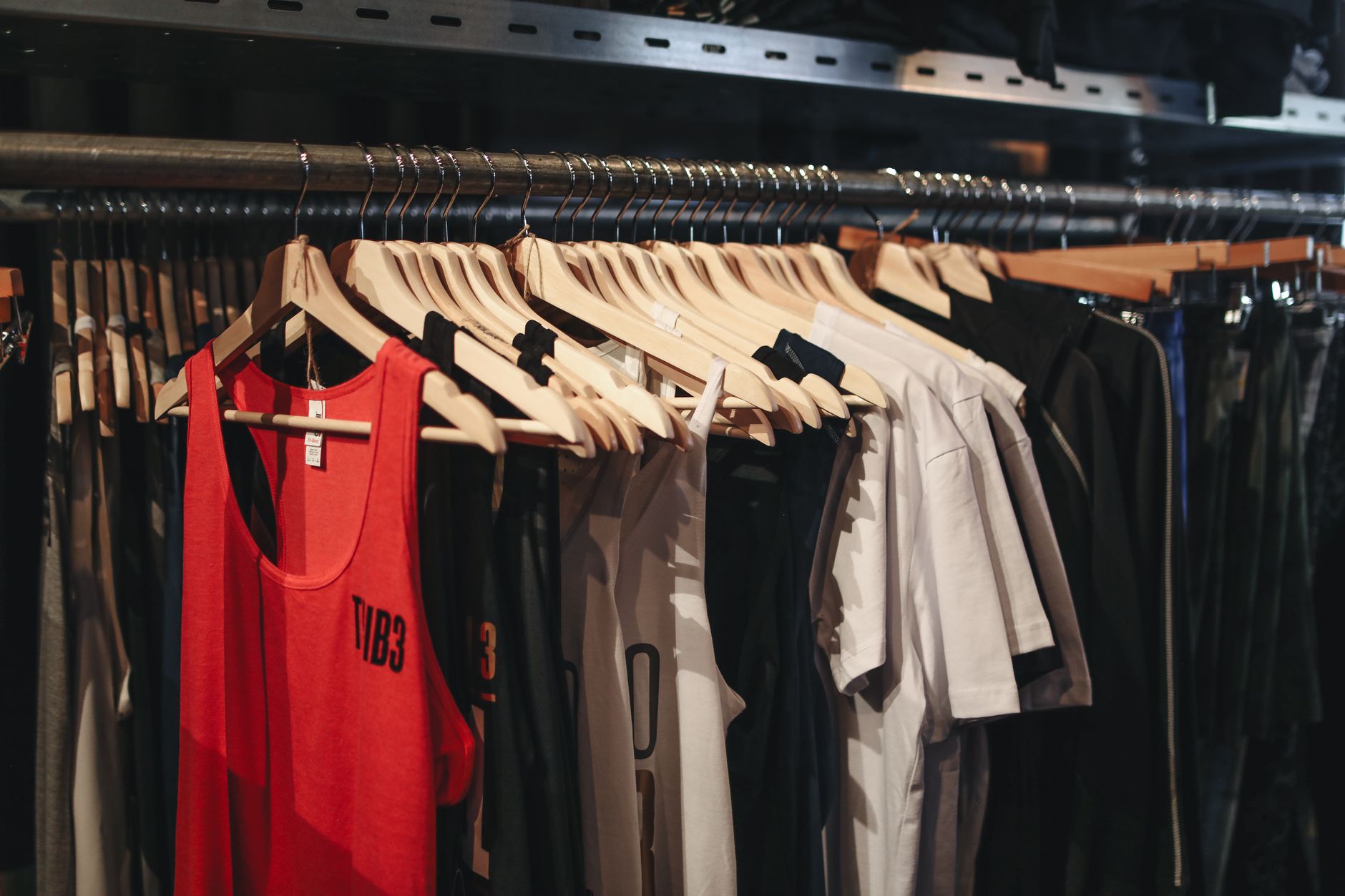
Merchandise. It’s a word that gets thrown around constantly in the business world, yet its meaning can shift depending on who you ask. A retail buyer in Melbourne might define it differently to an events coordinator in Brisbane or a marketing agency in Sydney sourcing branded giveaways for a client. If you’ve ever found yourself wondering exactly what merchandise means — and more importantly, how to use it effectively in your organisation — you’re in the right place. This guide breaks down everything you need to know about merchandise, its role in the promotional products industry, and how Australian businesses, resellers, and marketing teams can leverage it to build stronger brands.
What Is Merchandise, Exactly?
At its most fundamental level, merchandise refers to goods or products that are bought, sold, or distributed — typically within a commercial context. The word itself comes from the Old French marchandise, meaning “trade” or “goods for trade.” In everyday usage, it covers everything from the items you’d find on a supermarket shelf to the branded tote bags handed out at a Sydney trade show.
Within the promotional products and corporate gifting space — which is the focus here — merchandise takes on a more specific meaning. In this context, merchandise (often called “promo merch,” “branded merch,” or “corporate merchandise”) refers to physical products that are customised with a company’s logo, name, message, or artwork and then distributed to customers, employees, event attendees, or partners.
This distinction matters. General retail merchandise is designed to be sold at a profit. Promotional merchandise, on the other hand, is typically distributed as a gift or incentive — with the return on investment measured not in direct sales but in brand visibility, customer loyalty, and recall.
The Difference Between Merchandise, Promotional Products, and Corporate Gifts
These three terms are often used interchangeably, but there are nuances worth understanding:
- Merchandise is the broadest term — it covers all physical products in a commercial context.
- Promotional products are items specifically designed to carry a brand message and be given away for marketing purposes.
- Corporate gifts are branded or premium items given to clients, employees, or partners as a gesture of appreciation or to strengthen a business relationship. Our guide on personalised corporate gifts in Australia explores this category in depth.
In practice, the lines blur. A branded water bottle could be a promotional product at a conference, corporate merchandise sold through a company store, or a corporate gift sent to a valued client. The intent behind the item — and the audience receiving it — is what really defines it.
The Role of Merchandise in Modern Marketing
Merchandise has become one of the most powerful tools in a marketer’s toolkit, and the data backs this up. Physical branded items create a sensory connection that digital advertising simply cannot replicate. When someone uses a branded keep cup every morning in a Perth café or carries a custom tote bag through a Brisbane farmers market, they’re generating organic impressions for your brand without you spending another cent.
The promotional products industry statistics tell a compelling story: branded merchandise consistently outperforms many digital channels when it comes to long-term brand recall and recipient retention rates. A useful product gets kept. A kept product gets used. A used product gets seen. That’s the merchandise marketing cycle in action.
For businesses and resellers across Australia, understanding this value proposition is the foundation of building an effective merchandise strategy.
Why Promotional Merchandise Works for Australian Organisations
Australia’s business culture is deeply relationship-driven, whether you’re operating in the corporate towers of the Melbourne CBD, a government department in Canberra, or a growing SME on the Gold Coast. Physical merchandise helps humanise brand interactions — it gives recipients something tangible to associate with your organisation.
Consider these real-world scenarios:
- A university in Adelaide distributing branded backpacks and lanyards to new students during orientation creates an instant sense of community and belonging.
- A real estate agency in Perth giving branded pens and notebooks to settlement clients adds a thoughtful, professional touch to a significant life milestone.
- A Brisbane primary school ordering custom sports day t-shirts gives students a keepsake that parents will remember season after season.
- A Melbourne council sourcing eco-friendly promotional cosmetic bags for a sustainability campaign reinforces their environmental commitments through product choice.
The versatility of merchandise is one of its greatest strengths.
Types of Merchandise: A Practical Overview
When people ask “what is a merchandise?” they’re often really asking: what options are available? The range is enormous, but here’s a practical breakdown of the main categories used in Australian promotional and corporate contexts.
Apparel and Wearables
Custom clothing is one of the most visible and high-impact forms of branded merchandise. Options include t-shirts, polo shirts, hoodies, caps, hi-vis workwear, and team varsity jackets. Apparel is particularly popular for sporting clubs, events, schools, and workplaces where a unified look creates cohesion and brand recognition.
Decoration methods for apparel include screen printing, embroidery, sublimation, and heat transfer. For guidance on which method suits your needs, our screen printing guide for promotional products is a great starting point.
Drinkware
Branded water bottles, keep cups, travel mugs, and glass bottles are consistently among the most popular categories in the Australian promotional market. They score highly on daily usage and longevity — both critical to getting maximum return from your merchandise investment. Before committing to a drinkware order, review the ROI data on promotional drinkware to understand the numbers behind this product category. If you’re looking at specific decoration options, our guide to pad printing on custom water bottles covers technique specifics.
Tech and Electronics
Tech merchandise like power banks, USB drives, and phone accessories are premium merchandise options that carry strong perceived value. A solar-powered promotional power bank is a standout gift for conferences and sustainability-focused campaigns. For more budget-conscious tech merch, promotional USB flash drives remain a reliable staple, particularly for education providers and corporate events.
Bags and Totes
From reusable shopping totes to conference satchels and cooler bags, branded bags get enormous daily exposure. A single branded tote bag can generate hundreds of impressions per week in a busy urban environment.
Stationery and Office Supplies
Notebooks, branded pens, sticky notes, lanyards, and desk accessories form the backbone of corporate merchandise programs. They’re cost-effective, universally useful, and suitable for almost every industry.
Specialty and Seasonal Items
Beyond the standard categories, merchandise spans a wide variety of niche products. Think personalised beach towels for summer campaigns, branded salt and pepper sets for café tables, or branded muesli bars for school canteen promotions. Seasonal merchandise for occasions like Mother’s Day and Father’s Day also presents strong opportunities for brands to connect at emotionally relevant moments.
Key Considerations When Ordering Merchandise in Australia
Understanding what merchandise is only half the equation. The other half is knowing how to order it well. Here are the most important factors to keep in mind.
Minimum Order Quantities (MOQs)
Most promotional merchandise suppliers in Australia operate with minimum order quantities — often starting at 25 to 50 units for standard products and sometimes lower for premium items. MOQs exist because setup costs for decoration methods (screen printing screens, embroidery digitisation, pad printing plates) need to be spread across a sufficient number of units to remain economical.
If you’re a reseller or marketing agency, factoring MOQs into your client proposals early prevents budget surprises down the line.
Turnaround Times
Standard production timelines in Australia typically run between 10 and 15 business days from artwork approval, though rush options are available from many suppliers. For events with fixed dates — whether a hackathon in Melbourne (see our event swag guide for hackathons), an orientation week in Brisbane (learn more here), or a webinar promotion campaign) — locking in your order at least four weeks out is strongly advisable.
Choosing the Right Supplier
Location matters when sourcing merchandise. Local suppliers offer shorter lead times, easier communication, and the ability to view physical samples before committing. If you’re in Western Australia, working with Perth-based promotional product suppliers can streamline your process significantly. Similarly, organisations in Tasmania can benefit from connecting with premium corporate gift suppliers in Hobart.
For broader supply chain context, it’s worth understanding the current trends in promotional product manufacturing — both onshore and offshore — before making sourcing decisions.
Budget and Artwork
Set a realistic per-unit budget based on your decoration method and quantity. More complex artwork (multiple colours, intricate designs) will increase costs for some techniques. Ensure your artwork is supplied in vector format (AI, EPS, or PDF) to avoid resolution issues and additional artwork fees.
Conclusion: What Merchandise Means for Your Organisation
So, what is merchandise? It’s far more than just a product with a logo on it. Merchandise is a strategic communication tool — one that places your brand directly in the hands (and daily routines) of the people who matter most to your organisation. Whether you’re a marketing agency building branded campaigns for clients, a reseller sourcing products at scale, or a business looking to strengthen relationships with customers and staff, merchandise is one of the most versatile and cost-effective assets available to you.
Here are the key takeaways from this guide:
- Merchandise covers all physical commercial goods, but in the promotional and corporate context it specifically refers to branded items used for marketing, recognition, or gifting purposes.
- The three pillars of merchandise value are brand visibility, recipient utility, and emotional connection — all of which outperform most digital advertising channels on longevity.
- Product selection should be intentional — the best merchandise is relevant to your audience, aligned with your brand values, and suited to the occasion.
- Practical considerations matter — MOQs, turnaround times, decoration methods, and supplier location all significantly impact your project’s success.
- Working with knowledgeable Australian suppliers ensures you get the right product, decorated correctly, delivered on time, and within budget.