
T-Shirt and Polo Buying Guide for Australian Businesses and Resellers
Discover how to choose, customise, and order branded t-shirts and polos for your Australian business, marketing campaign, or reseller catalogue.

Written by
Max Sharma
Custom Apparel
Choosing between a t-shirt and polo for your next branded apparel order sounds simple enough — until you’re staring down a supplier catalogue with dozens of fabric weights, collar styles, decoration options, and minimum order quantities. Whether you’re a marketing agency briefing a client on their next trade show giveaway, a reseller building out a custom apparel catalogue, or an in-house brand manager ordering staff uniforms for a national team rollout, the decision matters more than most people realise. The right choice can elevate your brand presentation and get your merchandise actually worn out in the world. The wrong one ends up at the back of a wardrobe. This guide breaks down everything you need to know about sourcing custom t-shirts and polos in Australia — from fabric selection and decoration methods to MOQs, lead times, and getting the best value for your budget.
Understanding the Key Differences Between a T-Shirt and Polo
Before diving into the practicalities of ordering, it’s worth being clear about what separates these two garment types — because the distinction shapes everything from your decoration method to your target demographic.
A t-shirt is typically a crew-neck or v-neck garment made from jersey knit fabric (usually cotton, polyester, or a blend). It’s casual, versatile, and universally recognised. T-shirts are the backbone of event merchandise, charity campaigns, school spirit wear, and branded giveaways across Australia. They accept almost every decoration method well — screen printing in particular delivers outstanding, cost-effective results on flat t-shirt surfaces.
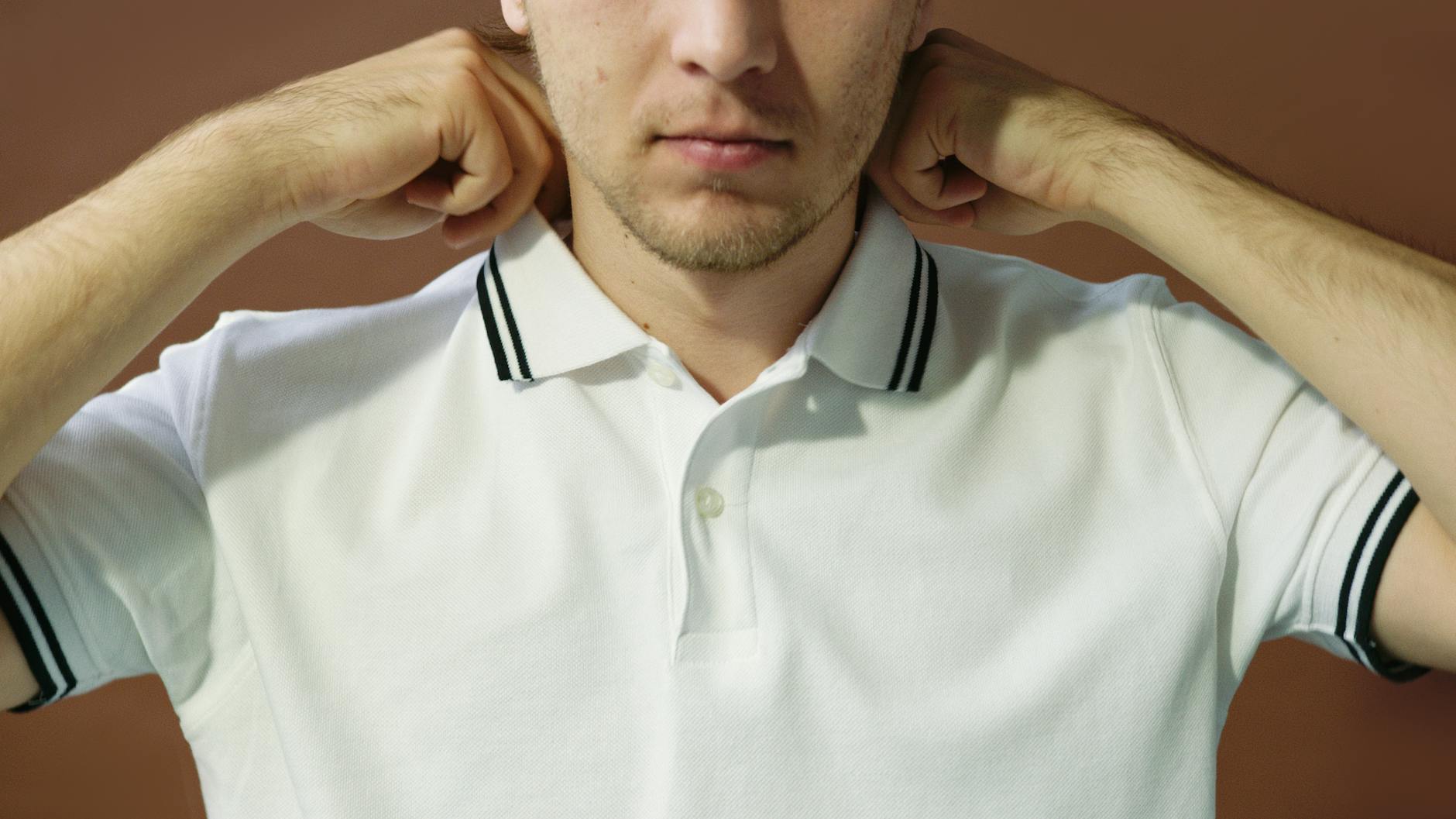
A polo shirt (also called a collared shirt or polo) features a folded collar, a short placket with two or three buttons, and is typically constructed from piqué cotton or performance polyester. Polos sit a rung above t-shirts in terms of formality and are widely used for corporate uniforms, real estate agent workwear, hospitality staff, and trade show booth teams. For a deeper look at how branded merchandise fits into broader business strategy, our guide on what merchandise is and how it works for brands is a great starting point.
Formality and Use Case
| Garment | Formality Level | Common Uses |
|---|---|---|
| T-Shirt | Casual | Events, giveaways, schools, charities, festivals |
| Polo | Smart-casual | Uniforms, corporate, hospitality, real estate |
Understanding this distinction helps you advise clients or make internal decisions with confidence. A Brisbane real estate agency ordering staff shirts will almost always want polos. A Gold Coast surf event running a merchandise booth will almost always want tees.
Fabric and Weight: What Actually Matters When Ordering Custom Apparel
Fabric is where a lot of first-time buyers get caught out. The “gsm” (grams per square metre) rating tells you how heavy and durable a fabric is — and it has a direct impact on how your decoration looks, how the garment wears over time, and how your audience perceives the brand.
T-Shirt Fabric Considerations
For promotional t-shirts, you’ll generally encounter these fabric options:
- 160–180gsm cotton: Lightweight and budget-friendly. Ideal for one-off event giveaways or charity runs where cost per unit matters most.
- 180–200gsm cotton: The sweet spot for most branded applications. Good weight, holds print well, feels substantial without being heavy.
- 200gsm+ cotton or cotton-poly blend: Premium feel. Used for retail-quality branded merchandise or high-value staff uniform programs.
For personalised t-shirts across Australia, the 180–200gsm range typically offers the best balance of cost and quality for most corporate and reseller applications. See our dedicated guide on personalised t-shirts in Australia for more detail on popular styles and supplier options.
Polo Shirt Fabric Considerations
Polos are most commonly available in:
- Piqué cotton (200–220gsm): The classic polo fabric. Breathable, professional-looking, and holds embroidery exceptionally well.
- Performance polyester or moisture-wicking blends: Popular for outdoor teams, sporting clubs, and tradespeople. Lightweight, durable, and handles repeated washing without fading.
- Cotton-polyester blends: A practical middle ground offering the natural feel of cotton with the durability of synthetic fibres.
If your clients are in Perth running outdoor construction teams or Adelaide-based trade businesses operating in the heat, performance fabric polos will be far better received than heavy piqué cotton options.
Decoration Methods for T-Shirts and Polos
Selecting the right decoration method is just as important as choosing the garment itself. Here’s how the most common methods apply specifically to t-shirts and polos:
Screen Printing
Screen printing is the gold standard for t-shirts. It’s cost-effective at volume (typically 50+ units), produces vibrant, long-lasting colours, and works brilliantly on flat, smooth fabric surfaces. If your client is ordering 200 event tees for a Sydney product launch, screen printing is almost certainly the right call.
However, screen printing has setup costs (one screen per colour) and is less economical for complex multi-colour designs in small runs. Check out our breakdown of promotional products industry statistics to understand why apparel consistently dominates branded merchandise spend in Australia.
Embroidery
Embroidery is the preferred decoration method for polo shirts. It elevates the perceived quality of the garment, looks professional on piqué fabric, and holds up well through repeated commercial washing — crucial for staff uniforms. A Melbourne hospitality group outfitting fifty front-of-house staff in embroidered polos presents a very different brand impression than the same team in screen-printed tees.
The trade-off? Embroidery is typically priced per 1,000 stitches, so large or highly detailed logos can add meaningful cost per unit. Simplifying your logo artwork to a clean, embroidery-friendly format makes a real difference to per-unit pricing.
Heat Transfer and DTG (Direct-to-Garment) Printing
Both methods are suitable for short runs, full-colour designs, or photographic artwork. Direct-to-garment printing in particular has become increasingly accessible for small businesses ordering custom apparel in low quantities (sometimes as few as 10–25 pieces). Heat transfer works across most fabric types but may not have the same longevity as screen printing in high-wash commercial environments.
For businesses ordering complementary branded products alongside their apparel — things like custom team varsity jackets or branded drinkware — it’s worth understanding how different decoration methods interact with different product types and how that affects your overall production timeline.
MOQs, Pricing Tiers, and Budget Benchmarks
Minimum order quantities (MOQs) in Australian branded apparel typically look like this:
- Screen-printed t-shirts: Most suppliers require a minimum of 12–24 units per design/colour, with pricing improving significantly at 50, 100, and 250+ units.
- Embroidered polos: MOQs are often lower — sometimes as few as 6–12 pieces — but setup fees for digitising the embroidery logo apply.
- DTG or heat transfer tees: MOQs can be as low as 1–10 pieces, but unit pricing is higher and scalability is limited.
For resellers and marketing agencies building proposals for clients, it’s also worth factoring in the broader merchandise supply chain. Our analysis of promotional product manufacturing trends — onshore vs offshore covers how sourcing decisions affect lead times and pricing across Australian orders.
Budget Benchmarks (2026)
As a rough guide for Australian buyers:
- Basic promo tee (screen print, one colour, 100 units): $8–$14 per unit
- Mid-range cotton polo (embroidery, 50 units): $22–$35 per unit
- Premium performance polo (embroidery, 50 units): $35–$55 per unit
These figures vary based on supplier, garment brand, decoration complexity, and turnaround time. Urgency pricing applies when you’re working inside a two-week window, so factoring lead time into client briefs is essential.
Choosing Suppliers: What to Look For
For resellers and agencies sourcing t-shirt and polo inventory across multiple states, finding a reliable, consistent supplier is everything. Key criteria to evaluate include:
- Blank garment quality and consistency — will the colour and sizing be consistent across a reorder six months later?
- Decoration capability in-house or through trusted partners — does the supplier control print quality or outsource it?
- Sampling process — can you request a physical pre-production sample before a large run?
- Artwork support — will they flag artwork issues proactively, or just print what they receive?
- Turnaround guarantees — especially important for event-driven orders
If you’re sourcing for clients in Western Australia, our guide to Perth promotional product suppliers covers region-specific options worth considering. And if your client brief extends beyond apparel into full merchandise packs — adding items like wheat straw corporate gifts or personalised corporate gift sets — understanding supplier range breadth becomes just as important as apparel quality.
Pairing Apparel with Broader Merchandise Campaigns
Smart marketing agencies and resellers know that branded t-shirts and polos rarely operate in isolation. They’re typically one component of a broader merchandise strategy — whether that’s a conference pack, an onboarding kit, a charity fundraiser bundle, or a trade show display.
Common pairings alongside custom apparel include:
- Branded drinkware: Custom water bottles or keep cups remain consistently high-ROI merchandise items. Our analysis on promotional drinkware ROI data in Australia makes the case well.
- Eco-friendly products: Pairing a branded tee with reusable bags or eco gifts aligns with growing sustainability expectations from Australian organisations in 2026.
- Tech accessories: Items like solar power banks or USB flash drives round out a premium branded pack nicely.
- Cooler bags: Particularly popular for outdoor events and sporting clubs. See our overview of promotional cooler bags for what to look for.
Building a cohesive merchandise campaign — where the apparel, accessories, and packaging all work together — is what separates a memorable brand experience from a generic gift bag.
Conclusion: Key Takeaways for Sourcing Branded T-Shirts and Polos in Australia
Navigating the t-shirt and polo category doesn’t need to be complicated — but it does reward buyers who take the time to understand what they’re ordering and why. Whether you’re advising a Canberra government department on staff uniforms or helping a Darwin tourism business outfit their guides, the fundamentals remain consistent.
Key takeaways:
- Match the garment to the use case: T-shirts suit casual, event-driven, and giveaway applications; polos are the smarter choice for uniforms, professional teams, and corporate contexts.
- Fabric weight and composition affect print quality, wearability, and perceived value — don’t treat all garments as equal.
- Screen printing wins on t-shirts at volume; embroidery is the right call for polos in most corporate and uniform scenarios.
- MOQs and setup fees vary significantly by decoration method — build these into client proposals from the start to avoid budget surprises.
- Think beyond the single product: The most effective branded apparel campaigns pair t-shirts or polos with complementary merchandise for a complete, cohesive brand experience.
Done well, a custom t-shirt and polo range is one of the highest-visibility, longest-lasting branding investments an Australian business can make. Getting the brief right from the start makes all the difference.