
Personalised T-Shirts in Australia: The Complete Sourcing Guide for Businesses and Resellers
Discover how to source personalised t-shirts in Australia with confidence — tips on suppliers, decoration, MOQs, and budgeting for businesses.

Written by
Max Sharma
Custom Apparel
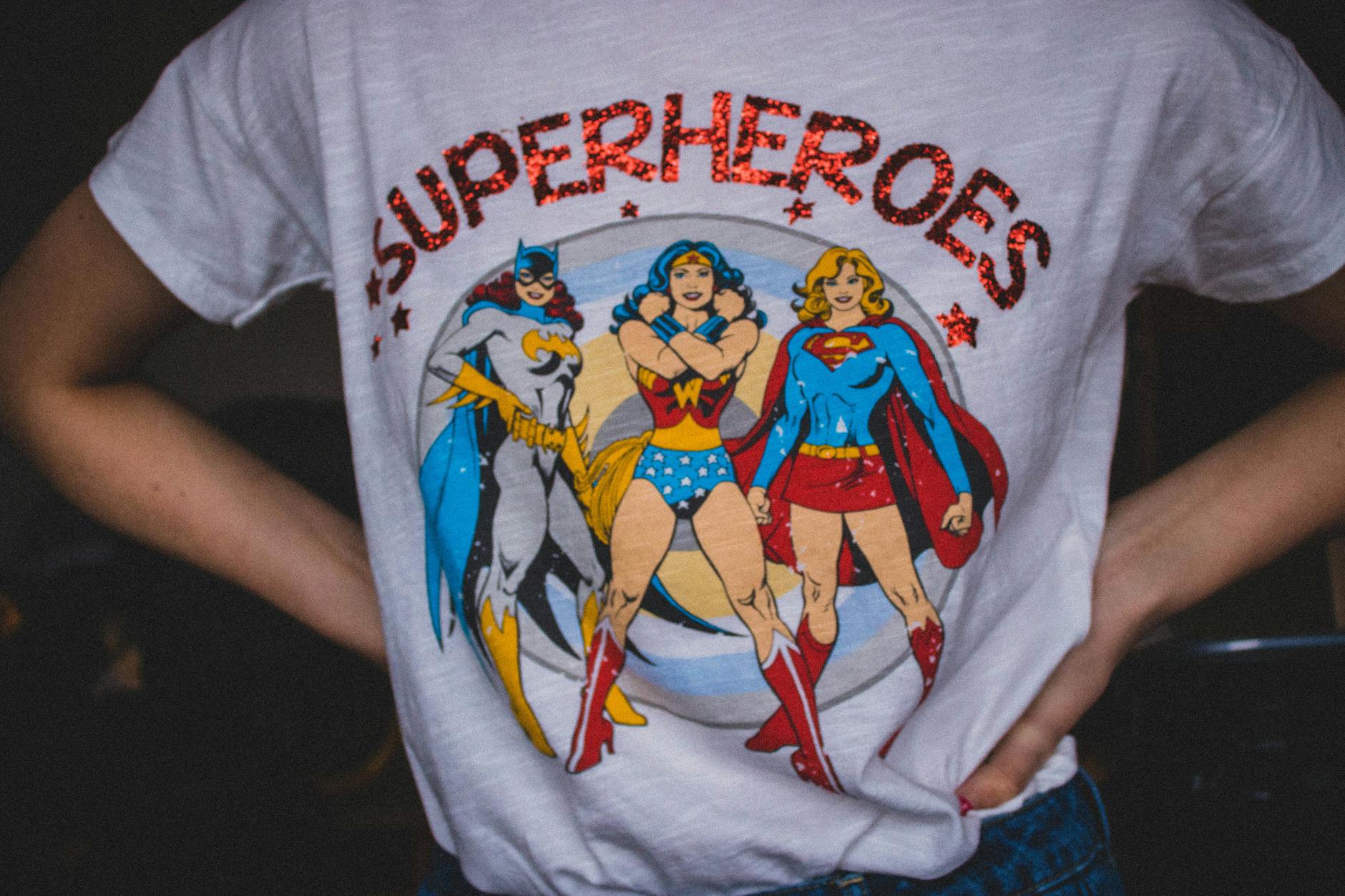
Finding the right supplier for personalised t-shirts in Australia can feel overwhelming — especially when you’re juggling client deadlines, artwork approvals, and budget constraints all at once. Whether you’re a marketing agency ordering branded uniforms for a corporate client, a reseller sourcing bulk custom tees for a sporting club in Adelaide, or an in-house procurement manager organising merch for a national conference, the decisions you make upfront will determine whether your project runs smoothly or turns into a logistical nightmare. This guide cuts through the noise and gives you the practical knowledge you need to source quality custom t-shirts with confidence.
Why Personalised T-Shirts Remain One of Australia’s Most Popular Branded Products
It’s no coincidence that custom t-shirts consistently rank among the top-selling promotional products across Australia. They’re versatile, cost-effective at scale, and deliver extraordinary brand visibility. A well-designed t-shirt worn at a Sydney trade show or a Brisbane school sports day doesn’t just represent a brand — it becomes a walking billboard that generates impressions long after the event is over.
For resellers and agencies, personalised t-shirts are a reliable revenue driver. Margins are predictable, the supply chain is well-established, and clients across virtually every sector need them. From Perth mining companies ordering hi-vis branded polos to Melbourne startups decking out their teams in slick screen-printed tees, the demand is consistent and geographically spread.
Our complete guide to personalised t-shirts in Australia covers the full landscape, but this post goes deeper into the sourcing strategy, supplier selection, and practical decisions that resellers and businesses need to navigate.
Understanding the Australian T-Shirt Decoration Landscape
Before you start comparing quotes, it helps to understand the decoration methods available and when each is the right choice.
Screen Printing
Screen printing is the gold standard for bulk custom t-shirt orders in Australia. It produces vibrant, durable prints and becomes increasingly cost-effective as order volumes grow. If you’re placing an order of 50 units or more with a single design, screen printing will almost always deliver the best price-per-unit outcome.
Keep in mind that screen printing involves setup costs — typically one screen per colour. A two-colour design will have a lower setup fee than a six-colour design. This is why agencies managing brand-consistent campaigns benefit most from screen printing: once the screens are made, reprints are fast and affordable.
Embroidery
Embroidery is the decoration method of choice for corporate uniforms, premium workwear, and situations where durability and perceived quality matter. A Melbourne law firm ordering polo shirts for client-facing staff, for instance, would almost always choose embroidery over print — it conveys professionalism and holds up through repeated commercial laundering.
Embroidery does have limitations. Fine details, photographic images, and gradient colours don’t translate well to thread. It’s best suited to logos with clear lines and limited colours. Our t-shirt and polo buyer’s guide walks through how to choose the right garment and decoration combination for different end-use scenarios.
Sublimation Printing
Sublimation is ideal for all-over prints, complex colour gradients, and sportswear. It works exclusively on polyester or polyester-blend fabrics, which limits garment options but produces stunning full-coverage results. Sporting clubs in Queensland and Western Australia frequently use sublimation for custom jerseys and training shirts.
Heat Transfer and DTG
Direct-to-garment (DTG) printing and heat transfer methods are better suited to short runs or complex multi-colour artwork where screen setup costs aren’t justified. They’re a practical choice for resellers handling low-volume corporate orders or one-off custom requests.
Choosing the Right Supplier for Personalised T-Shirts in Australia
Supplier selection is arguably the most critical decision in any custom apparel project. A supplier that delivers late, uses inconsistent colour matching, or sends garments that don’t match the approved sample can damage client relationships and your own reputation.
What to Look for in a Supplier
When evaluating suppliers of personalised t-shirts in Australia, consider the following criteria:
Decoration capabilities: Does the supplier offer all the decoration methods you need in-house, or do they outsource? In-house decoration typically means better quality control and faster turnaround.
Garment range: A strong supplier will offer a wide range of blank garment options — different weights, fits, fabrics, and price points — so you can match the right product to the right brief.
Minimum order quantities (MOQs): MOQs vary considerably across the industry. Some suppliers require a minimum of 12 units per design and colour for screen printing; others will accommodate lower volumes through DTG or heat transfer. If you’re a reseller handling mixed-size client orders, flexible MOQs are essential.
Turnaround times: Standard production turnaround in Australia typically runs 10–15 business days from artwork approval. Rush services are available from some suppliers but come at a premium. Always factor in freight time when managing client expectations — shipping from Sydney to Darwin or Perth can add 2–4 business days.
Sample availability: Reputable suppliers will offer pre-production samples or physical garment samples before full production commences. Never skip this step on a large order.
If you’re based in or sourcing for clients in Western Australia, our guide to Perth promotional product suppliers can help you identify locally-focused options with faster freight timelines.
Onshore vs. Offshore Production
The question of where your custom t-shirts are manufactured has commercial, ethical, and logistical dimensions. Offshore production — primarily from Bangladesh, China, and India — typically offers lower unit costs and is the norm for most blank garment stock. However, onshore decoration (printing and embroidery completed in Australia) is standard across the industry and gives buyers better oversight of quality and turnaround.
Our detailed analysis of promotional product manufacturing trends: onshore vs. offshore is worth reading if this decision is important to your clients or procurement policy.
Budgeting and Pricing for Bulk Custom T-Shirts
Understanding how pricing works in the custom t-shirt market helps you quote accurately, protect your margins, and set realistic client expectations.
Key Cost Factors
Garment cost: Blank t-shirt prices vary from budget-friendly options (around $4–$8 per unit for a standard cotton tee) through to premium retail-quality garments ($15–$30+ per unit). The garment itself often represents 50–70% of the total unit cost.
Decoration cost: Screen printing setup fees typically range from $40–$80 per colour, per design. Per-unit printing costs drop significantly with volume — going from 50 to 200 units can halve your print cost per shirt.
Artwork and setup: If artwork isn’t print-ready, you may incur additional artwork preparation fees. Always supply vector files (AI or EPS) where possible to avoid these charges.
Freight: Don’t overlook freight costs in your budget. A large order of 500 t-shirts shipped from Melbourne to Brisbane will cost meaningfully more than a small batch.
For agencies managing multiple product categories, it’s worth understanding how your overall promotional budget should be allocated. Our guide to promotional products industry statistics provides useful benchmarking data on what Australian businesses are spending on branded merchandise.
Practical Tips for Resellers and Marketing Agencies
If you’re managing custom t-shirt orders on behalf of clients, a few workflow habits will save you significant headaches.
Get Artwork Right First
The number one cause of delays in custom apparel production is artwork issues. Educate your clients upfront about what’s required: vector files, correct colour specifications (Pantone/PMS codes where colour matching is critical), and appropriate minimum dimensions for embroidery digitising. The time you invest in artwork preparation is recovered many times over in production efficiency.
Order Sizes Strategically
For corporate clients ordering uniform t-shirts, encourage a size audit before finalising quantities. Leftover stock in unpopular sizes represents wasted budget. If your supplier offers size-based MOQ flexibility (e.g., a minimum of 12 per colour but sizes can be split freely), take advantage of it.
Think About the Full Merchandise Mix
Custom t-shirts rarely exist in isolation. A well-rounded promotional campaign or corporate merchandise kit might also include branded drinkware, tech accessories, or eco-friendly products. Exploring complementary products helps you add value for clients and increase your average order value.
Consider pairing custom apparel with branded water bottles, promotional cooler bags, or wheat straw corporate gifts for clients looking to build a cohesive, sustainable merchandise range. For tech-forward clients, solar-powered power banks and promotional USB drives are popular additions to conference kits.
For clients in specific industries, there are often niche product opportunities worth exploring — automotive dealerships, for example, often pair branded apparel with products like promotional car chargers.
Don’t Neglect Premium Apparel Options
Not every brief calls for a basic cotton tee. Clients in premium industries — professional services, luxury retail, hospitality — may want elevated garment options. Team varsity jackets are a strong choice for education sector clients, while premium embroidered polos suit corporate environments. Our guide to premium corporate gifts in Hobart demonstrates how even smaller markets expect polished, thoughtfully selected merchandise.
Use a Reputable Promotions Company
For resellers who are newer to the custom apparel market, working with an established promotions company can streamline supplier access, quality assurance, and account management. Our guide to finding the right promotions companies in Australia is a useful starting point.
It’s also worth exploring what the broader merchandise landscape looks like — our explainer on what merchandise actually is provides useful context for client conversations, particularly with organisations that are building a branded merchandise strategy for the first time.
Conclusion: Key Takeaways for Sourcing Personalised T-Shirts in Australia
Personalised t-shirts in Australia represent one of the most versatile and commercially reliable categories in the promotional products industry. Getting your sourcing strategy right — from supplier selection through to decoration method and budget management — is what separates a smooth project from a costly one.
Here are the essential takeaways:
- Match decoration to the brief: Screen printing suits high-volume, bold designs; embroidery works best for corporate uniforms and premium applications; sublimation is ideal for sportswear and all-over coverage.
- Vet your suppliers carefully: Look for in-house decoration capabilities, flexible MOQs, transparent turnaround times, and a proven sample process.
- Budget holistically: Account for garment cost, setup fees, per-unit decoration, artwork preparation, and freight — not just the headline unit price.
- Prepare artwork correctly: Vector files with PMS colour specifications will save time, money, and frustration across every order.
- Think beyond the t-shirt: Pairing custom apparel with complementary branded products strengthens your value proposition and helps clients build more cohesive merchandise campaigns.
Whether you’re sourcing for a single corporate client or managing a portfolio of brands across multiple sectors, a solid understanding of the personalised t-shirts Australia market will make you a more effective and profitable operator.